
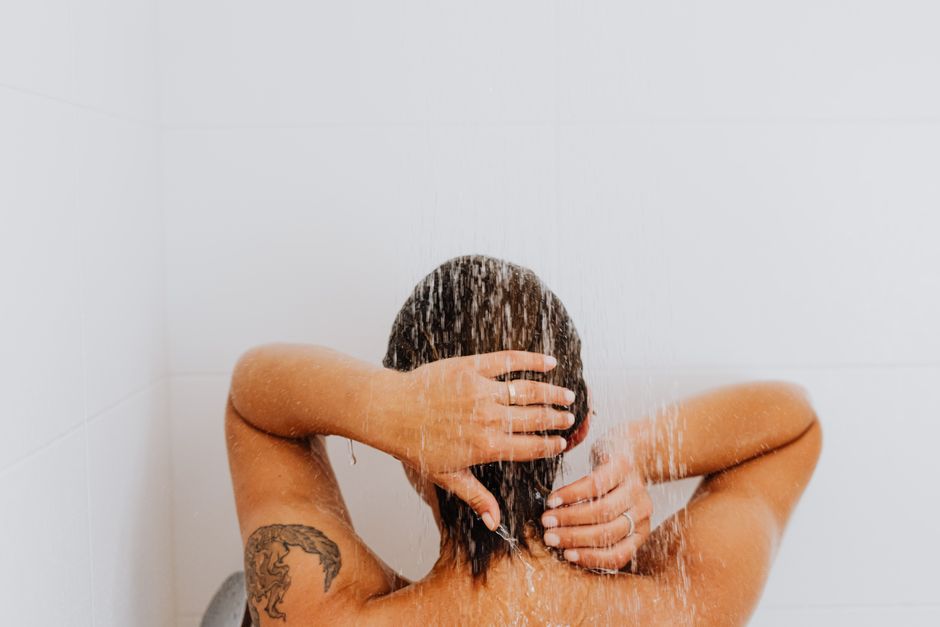
If your skin itches after a shower, the most common reason is that hot water and soap strip away the natural oils that keep your skin barrier intact. That leaves nerve endings in the top layer of skin more exposed, and they fire off itch signals. The itch is usually a sign of dryness or irritation, not a true allergy — though a few people do react to something specific in their water or products.
Why Does My Skin Itch After A Shower? The Main Causes
The outer layer of your skin, called the stratum corneum, works as a barrier. It holds water in and keeps irritants out. This barrier is made of skin cells packed together with lipids — fats like ceramides — filling the spaces between them.
Hot water dissolves those lipids. So does soap, especially harsh or heavily fragranced kinds. When the lipids wash away, water escapes from your skin faster than normal. The barrier gets weaker. Nerve endings that sit just below the surface become more sensitive, and they send itch signals to your brain.
This is why the itch often shows up right after you dry off, or within a few minutes. It is not usually a sign of disease. For most people it is a straightforward barrier problem, and it responds to simple changes.
A few less common causes are worth knowing:
- Aquagenic pruritus. A rare condition where contact with water of any temperature triggers intense itching, usually without a visible rash. It can sometimes be linked to an underlying blood disorder, so it is worth mentioning to a doctor.
- Cholinergic urticaria. A form of hives triggered by a rise in body temperature, including from a hot shower. It usually comes with small red welts.
- Water hardness or additives. Some people notice more irritation in areas with hard water or higher chlorine levels. The evidence here is limited, but the pattern is reported often enough to consider.
- Product reactions. Fragrances, preservatives, and some surfactants in soap and shampoo can irritate skin or trigger a contact reaction.
Is It Just Dry Skin, Or Something More?
Dry skin, also called xerosis, is the most common explanation by a wide margin. It is especially likely in winter, in low-humidity climates, and as you get older, because oil production naturally declines with age.
But dry skin and a skin condition can look similar at first. Here is how to tell them apart:
- Dry skin tends to feel tight and rough, may flake, and improves with moisturizer.
- Eczema (atopic dermatitis) causes red, inflamed, intensely itchy patches, often in the creases of elbows and knees. It tends to come and go in flares.
- Psoriasis produces thick, scaly patches with a silvery surface, often on elbows, knees, and scalp.
- Contact dermatitis appears where a product touched your skin, and it usually has clearer borders.
If your itching comes with a rash that does not fade, bleeding, or spreading redness, that points away from simple dryness. So does itching that lasts long after your skin is dry, or that happens with every shower no matter what you change.
One detail people often miss: itching after a shower is not always about what you washed off. Sometimes it is about what you did not put back. Skin that is not moisturized within a few minutes of toweling off loses water quickly.
How Do You Stop The Itching After A Shower?
Change the shower itself first. Most of the fix is about reducing what strips your barrier.
- Lower the temperature. Warm water is far gentler than hot. If the water feels uncomfortable on your face, it is too hot for the rest of you.
- Shorten the shower. A long soak gives water more time to pull oils out of your skin.
- Use a gentle, fragrance-free cleanser. Look for products labeled for sensitive skin. Bar soaps and heavily scented body washes tend to be harsher.
- Skip soap where you do not need it. You do not need to lather your whole body every day. Focus on the armpits, groin, and feet.
- Pat dry, do not rub. Towel friction irritates skin that is already sensitive.
- Moisturize within a few minutes. Applying cream or ointment while skin is still slightly damp helps trap water in.
On moisturizers: ointments and thick creams hold water in better than lotions, because lotions contain more water and evaporate faster. Products with ceramides, glycerin, or hyaluronic acid can help support the barrier. Fragrance-free is the safer choice if your skin is reactive.
If these steps do not help after a couple of weeks, that is a reasonable point to see a doctor. Persistent itching has many possible causes, and some of them have nothing to do with your shower routine.




Does Water Temperature Really Matter That Much?
Yes, and it is probably the single biggest factor for most people. Hot water strips lipids from your skin faster than warm water does. It also dilates blood vessels near the surface, which can make skin feel more reactive.
Cold water does not strip oils the same way, but it is not a treatment for dry skin either. It just does less damage. The practical answer is warm, not hot — comfortable, not steaming.
There is also a temperature-related itch condition worth knowing about. Some people develop itching when their core body temperature rises, whether from a hot shower, exercise, or stress. This is called cholinergic urticaria when it comes with hives. If your itching is triggered by heat in general, not just showers, that is a different pattern than simple dryness.
When Should You See A Doctor About Itchy Skin After Showering?
See a doctor if the itching is severe, lasts more than a couple of weeks despite changes to your routine, or comes with other symptoms. Those symptoms include a rash that spreads, skin that cracks or bleeds, or itching that keeps you awake at night.
Itching all over your body without a visible rash deserves a medical look. It can occasionally be a sign of an underlying condition, including thyroid problems, liver issues, kidney disease, or in rare cases a blood disorder. This does not mean your itching is serious. It means the cause is worth identifying rather than guessing.
Also worth a mention: some medications can cause itching as a side effect. If your itching started around the same time as a new prescription, that is worth raising with your doctor or pharmacist.
A Quick Comparison: What Helps And What Does Not
Here is a plain look at common approaches and what the evidence supports.
| Approach | What It Does | Evidence Level |
|---|---|---|
| Warm (not hot) showers | Reduces lipid stripping | Well established |
| Fragrance-free cleanser | Lowers irritation risk | Well established |
| Moisturizing within minutes | Traps water in skin | Well established |
| Ointments over lotions | Better water retention | Well established |
| Shower filters | May reduce chlorine or mineral exposure | Limited evidence |
| Colloidal oatmeal products | Can soothe irritated skin | Some evidence |
| Antihistamines for plain dry-skin itch | Targets histamine, not dryness | Limited for this cause |
Antihistamines are often reached for, but they mostly help itch driven by histamine, such as hives or allergic reactions. For itch caused by a dry, damaged barrier, they usually do not address the root problem.
Can You Prevent Itchy Skin After Showers Long Term?
Prevention comes down to protecting your skin barrier consistently, not just on the days it itches. A few habits make a real difference over time.
- Moisturize daily, not only after showers.
- Keep showers short and warm.
- Use a humidifier if the air in your home is dry.
- Choose fragrance-free products for both skin and laundry.
- Drink enough water, though this alone will not fix a damaged barrier.
If you live in a hard-water area and notice more irritation than usual, a filter is a reasonable experiment. Just know the evidence for filters helping skin is not strong. It may help some people and do nothing for others.
The bottom line is that post-shower itching is usually your skin telling you it lost moisture it needed. Fix the shower routine, moisturize well, and give it a couple of weeks. If it does not improve, get it checked.
Frequently Asked Questions
Why does my skin itch after a shower but no rash?
Itching without a rash usually points to dry skin or a weakened skin barrier, not an allergy. Hot water and harsh soap strip the oils that protect your skin, leaving nerve endings more sensitive.
Does cold water stop itching after a shower?
Cold water strips fewer oils than hot water, so it causes less irritation. It is not a treatment for dryness, but it does less damage than a hot shower.
Can hard water make your skin itch?
Some people report more irritation in areas with hard water, though the evidence is limited. If you suspect it, a shower filter is a low-risk thing to try.
How long should itching after a shower last?
With simple changes like warm water and moisturizing right after, most dryness-related itching improves within a couple of weeks. If it lasts longer or gets worse, see a doctor.
