
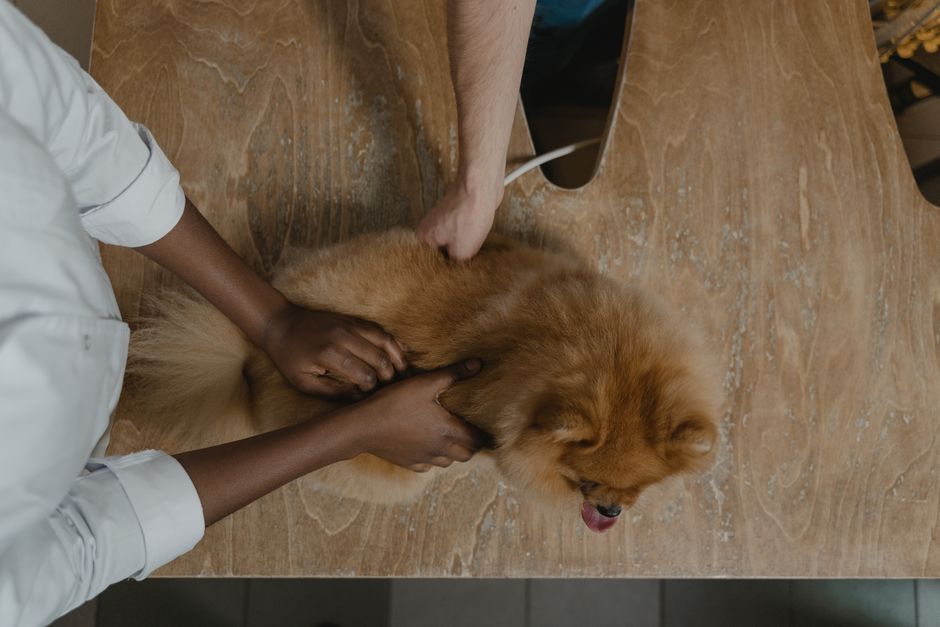
Puppy diarrhea is common, and most cases in young dogs are caused by something simple — a sudden diet change, eating something they shouldn’t have, intestinal parasites, or stress. The most important thing you can do is keep your puppy drinking fluids and watch closely for signs of dehydration or serious illness. Call your veterinarian if the diarrhea lasts more than 24 hours, contains blood, or comes with vomiting, lethargy, or loss of appetite.
Why Does My Puppy Keep Getting Diarrhea What To Do?
Puppies get diarrhea more often than adult dogs for a few concrete reasons. Their digestive systems are still developing. Their immune defenses are not fully mature. And they explore the world with their mouths, which means they swallow things that irritate the gut.
The word “keep” matters here. A single loose stool after a new treat is one thing. Repeated bouts over days or weeks point to an ongoing cause that needs to be identified, not just managed with bland food.
Common causes include:
- Diet changes — switching food too quickly is one of the most frequent triggers
- Intestinal parasites — roundworms, hookworms, giardia, and coccidia are all common in puppies
- Eating garbage or foreign objects — including plants, human food, and toys
- Stress — moving to a new home, vaccinations, travel, or separation
- Infections — bacterial, viral, or viral-bacterial combinations
- Food intolerance or allergy — less common in puppies than in adult dogs but possible
Parasites deserve special attention. Many puppies are born with roundworms passed from the mother, and giardia spreads easily in kennels, shelters, and dog parks. A fecal test at the vet is the only reliable way to know what is actually present.
When Is Puppy Diarrhea an Emergency?
Some diarrhea in puppies is a genuine emergency. Puppies dehydrate faster than adult dogs because they have less fluid reserve relative to their body size. A puppy can become dangerously dehydrated within hours of repeated vomiting and diarrhea.
Go to a veterinarian immediately if you see:
- Blood in the stool — bright red or black and tarry
- Repeated vomiting alongside the diarrhea
- Lethargy or weakness
- Refusing to eat or drink
- Pale gums
- A distended or painful abdomen
- Diarrhea lasting more than 24 hours in a puppy under 6 months
Black, tarry stool suggests bleeding higher up in the digestive tract and needs urgent evaluation. So does a puppy that seems painful when you touch their belly.
If your puppy is bright, alert, drinking, and passing normal amounts of urine, the situation is usually less urgent. But “usually” is not “always.” When in doubt, call your vet. A phone call costs nothing and can prevent a serious outcome.
What Should I Feed a Puppy With Diarrhea?
For mild, short-lived diarrhea in an otherwise healthy puppy, many veterinarians recommend a brief period of easily digestible food. Plain cooked white rice mixed with plain boiled chicken or lean ground meat is a common choice. Some vets suggest a commercial bland diet made for this purpose.
Do not add salt, oil, butter, or seasoning. Do not use onion or garlic — both are toxic to dogs.
Keep fresh water available at all times. Small, frequent sips are better than large amounts at once if your puppy is nauseated.
Fasting is not recommended for puppies. Unlike adult dogs, puppies have limited energy reserves and can develop low blood sugar quickly if they go without food. If your puppy will not eat at all, that is a reason to call your vet, not to wait it out.
When stools start to firm up, transition back to regular puppy food gradually over several days, mixing it with the bland food at first.



How Do I Know If My Puppy Is Dehydrated?
Dehydration is the main danger with puppy diarrhea. You can check for it at home with two simple tests.
Skin tent test: Gently pinch the skin on the back of your puppy’s neck and lift it. In a well-hydrated puppy, the skin snaps back immediately. If it stays up or returns slowly, that suggests dehydration.
Gum check: Lift your puppy’s lip and press a finger against the gums. They should be pink and moist. When you release the pressure, the color should return within about two seconds. Pale, dry, or tacky gums are warning signs.
Other signs include sunken eyes, weakness, and reduced urine output. Any of these mean a vet visit now, not tomorrow.
What Causes Chronic or Recurring Diarrhea in Puppies?
When diarrhea keeps coming back, the cause is usually something that was never fully resolved or something ongoing in the environment.
The most common reasons include:
- Untreated parasites — a single deworming does not always clear every parasite, and giardia often requires specific treatment
- Diet sensitivity — some puppies do not tolerate certain proteins or grains
- Inflammatory bowel disease — a diagnosis made by ruling out other causes, usually with veterinary guidance
- Exocrine pancreatic insufficiency — rare in puppies but possible; the pancreas does not produce enough digestive enzymes
- Chronic bacterial overgrowth — an overgrowth of bacteria in the small intestine
Recurring diarrhea in a puppy is not something to manage at home long-term. A veterinarian will typically want a fecal sample, possibly bloodwork, and sometimes imaging. Finding the actual cause matters more than treating symptoms repeatedly.
Can I Give My Puppy Human Anti-Diarrhea Medicine?
No. Do not give your puppy human anti-diarrhea medications without direct veterinary instruction.
Some common human medications are toxic to dogs. Others can mask serious underlying problems or cause harm in a young animal whose liver and kidneys are still developing. Loperamide, for example, is sometimes used in dogs under veterinary supervision, but the dose depends on the dog’s weight and health status, and it is not safe for all puppies.
This is one of the clearest lines in veterinary care: what works for a human adult does not automatically work for a puppy, and the margin for error is much smaller.
How Can I Prevent Puppy Diarrhea?
Prevention comes down to a few practical habits.
- Transition food slowly — mix new food with old over about a week, increasing the new food gradually
- Keep up with deworming and vaccines — follow your vet’s schedule
- Supervise outdoor time — puppies eat things off the ground constantly
- Manage stress — keep routines consistent during moves, travel, or big changes
- Avoid table scraps — rich, fatty, or spiced food is a common trigger
- Keep garbage and toxic plants out of reach
Even with perfect care, some diarrhea is normal in puppies. Their guts are still learning. The goal is not zero episodes — it is catching the ones that matter early.
What Should I Tell My Veterinarian?
When you call or visit, specific details help your vet move faster.
- How long the diarrhea has lasted
- How many times per day
- What the stool looks like — color, consistency, blood, mucus
- Whether your puppy is vomiting, eating, drinking, and acting normally
- Any recent food changes, new treats, or possible exposure to garbage or other animals
- Vaccine and deworming history
Bring a fresh stool sample if you can. It saves time and often avoids a second visit.
Puppy diarrhea is one of the most common reasons for veterinary visits, and most cases resolve with simple care. The ones that do not resolve are usually the ones that needed a vet from the start.
Frequently Asked Questions
How long should puppy diarrhea last before I call the vet?
Call your vet if diarrhea lasts more than 24 hours in a puppy under 6 months old. Any diarrhea with blood, vomiting, or lethargy needs immediate attention regardless of how long it has been going on.
Can I give my puppy plain rice for diarrhea?
Plain cooked white rice mixed with plain boiled chicken is a common bland diet many vets recommend for short-term mild diarrhea. It is not a complete diet and should only be used briefly while you monitor your puppy.
What parasites cause diarrhea in puppies?
Roundworms, hookworms, giardia, and coccidia are the most common intestinal parasites in puppies. A fecal test at your veterinarian is the only way to identify which one is present.
Is puppy diarrhea contagious to other dogs?
Some causes, including giardia, parvovirus, and certain bacterial infections, can spread to other dogs. Keep a puppy with diarrhea away from other dogs until your vet confirms it is not contagious.
