
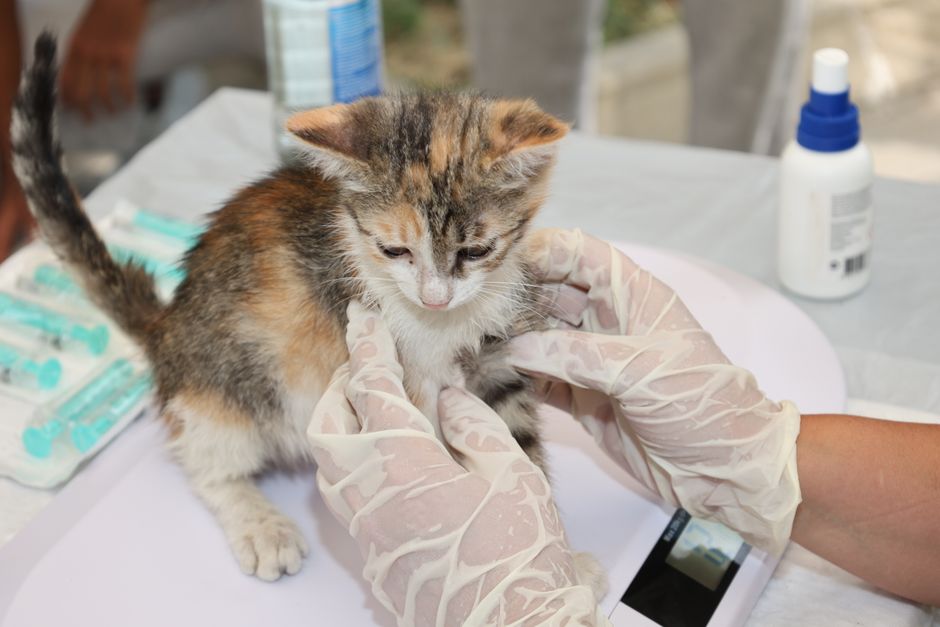
If your kitten keeps having diarrhea, the most common causes are dietary changes, intestinal parasites, infections, or stress. Kittens have sensitive digestive systems that are still developing, so even small changes can trigger loose stools. Persistent diarrhea in kittens is serious because they dehydrate quickly, so understanding the cause matters for their health and your peace of mind.
Diarrhea that lasts more than 24 hours in a kitten under six months old needs veterinary attention. The same goes if you see blood, mucus, or if your kitten seems lethargic or stops eating. Most causes are treatable, but timing matters with kittens because their bodies have less reserve.
What Causes Diarrhea in Kittens Most Often?
The most common cause is a sudden change in diet. Kittens eat a specific food from their breeder or shelter, and switching to a new brand or flavor too fast can upset their stomach. The American Veterinary Medical Association recommends transitioning over 7 to 10 days by mixing old and new food gradually.
Intestinal parasites are the second most common cause. Roundworms and hookworms are very common in kittens. According to the Cornell Feline Health Center, nearly all kittens are born with or acquire roundworms from their mother’s milk. A fecal test at the vet can identify which parasites are present and treatment is simple with deworming medication.
Infections from bacteria like Salmonella or Campylobacter can cause diarrhea too. Kittens explore the world with their mouths and can pick up bacteria from surfaces or other animals. Viral infections like feline panleukopenia or feline coronavirus also cause diarrhea and require veterinary diagnosis.
How Can I Tell If It’s a Food Issue or Something Else?
Look at the timing. If diarrhea started right after you switched food or gave a new treat, diet is the likely cause. Also check if you have been feeding human food or milk. Many kittens are lactose intolerant, and cow’s milk will cause diarrhea in most kittens because they lack the enzyme to digest lactose properly.
If the diarrhea is paired with vomiting, weight loss, or a bloated belly, parasites or infection are more likely. A kitten with a potbellied appearance and dull coat often has roundworms. The Companion Animal Parasite Council reports that visible worms in the stool or around the anus confirm parasites, but many cases have no visible signs.
Stress diarrhea is common after adoption, moving, or introducing new pets. A kitten’s gut has a direct connection to their nervous system through the gut-brain axis. Stress changes how the intestines move and absorb water. If your kitten is otherwise playful and eating well, stress-related diarrhea often resolves in a few days as they settle in.
What Does the Research Say About Kitten Diarrhea Treatment?
Research published in the Journal of Feline Medicine and Surgery shows that most cases of acute diarrhea in kittens resolve with supportive care alone. This means keeping the kitten hydrated, feeding a bland diet, and letting the gut rest. A bland diet of boiled boneless chicken or white fish with white rice is commonly recommended by veterinarians.
Probiotics have some evidence behind them. A 2018 study in the Journal of the American Veterinary Medical Association found that a specific probiotic strain called Enterococcus faecium reduced the duration of diarrhea in kittens. Not all probiotics work the same, and the evidence is strongest for products specifically tested in cats and kittens.
There is no strong evidence supporting pumpkin puree for kitten diarrhea despite its popularity online. While pumpkin contains fiber that can help some adult cats with constipation, kittens with diarrhea need easily digestible food. Fiber can sometimes make diarrhea worse by drawing more water into the gut. Stick with the bland diet approach unless your vet recommends otherwise.





When Should I Take My Kitten to the Vet Immediately?
Kittens dehydrate faster than adult cats because they have a higher percentage of body water. The Merck Veterinary Manual states that a kitten can lose dangerous amounts of fluid within 12 to 24 hours of severe diarrhea. Signs of dehydration include dry gums, sunken eyes, lethargy, and skin that does not snap back quickly when gently pinched.
Take your kitten to the vet immediately if you see any of these signs:
- Diarrhea that is watery or contains blood
- Vomiting along with diarrhea
- Lethargy or weakness
- Not eating for more than 12 hours
- Visible worms in the stool
- Fever over 103.5°F
- Diarrhea in a kitten under 8 weeks old
Vets can provide subcutaneous fluids to rehydrate your kitten quickly. They can also run fecal tests to identify parasites or bacterial infections. In serious cases, they may prescribe antibiotics or anti-diarrheal medications. Never give your kitten human anti-diarrheal medications like Pepto-Bismol or Imodium without veterinary approval. These can be toxic to cats.
What Should I Feed a Kitten With Diarrhea?
A bland diet is the standard recommendation. Boiled boneless chicken or white fish with plain white rice is gentle on the stomach. Feed small amounts every few hours rather than large meals. The goal is to give the intestines less work while still providing energy.
Some veterinarians recommend a commercial gastrointestinal diet like Hill’s Prescription Diet i/d or Royal Canin Gastrointestinal. These are formulated to be highly digestible and contain balanced electrolytes. They are available through veterinary clinics or with a prescription. They are more expensive than homemade bland food but are nutritionally complete for longer-term feeding.
Here is a quick comparison of common feeding options:
| Option | Pros | Cons |
|---|---|---|
| Boiled chicken and rice | Simple, cheap, easy to digest | Not nutritionally complete long-term |
| Commercial GI diet | Balanced nutrition, contains electrolytes | More expensive, needs vet prescription |
| Pumpkin puree | Popular, easy to find | Weak evidence for diarrhea in kittens, can worsen it |
| Probiotic supplements | Some research supports use | Results vary by strain and product |
After diarrhea stops, transition back to normal kitten food over 3 to 5 days. Mix increasing amounts of the regular food with the bland diet. A sudden return to regular food can cause diarrhea to return.
Common Misconceptions About Kitten Diarrhea
One widespread myth is that milk helps settle a kitten’s stomach. The opposite is true. Most kittens are lactose intolerant, and milk will make diarrhea worse or cause it. Water and unflavored electrolyte solutions for pets are the only safe drinks for a kitten with diarrhea.
Another misconception is that you should withhold food for 24 hours. This was once standard advice for adult dogs and cats, but kittens need regular nutrition to maintain blood sugar and energy. Kittens have small glycogen stores and can develop hypoglycemia if they do not eat for too long. Feed small amounts of bland food frequently instead of fasting.
Some people believe that diarrhea always means worms. While parasites are common, they are not the only cause. Dietary indiscretion, stress, viral infections, and bacterial overgrowth are all possible. Guessing and treating for worms without a fecal test can miss the real cause and delay proper treatment.
There is also a claim that raw diets prevent diarrhea in kittens. As of 2026, there is no clinical evidence that raw feeding reduces diarrhea risk in kittens. In fact, raw diets carry a risk of bacterial contamination that can cause diarrhea and serious illness in young kittens with developing immune systems.
Frequently Asked Questions
Frequently Asked Questions
Can I give my kitten over-the-counter diarrhea medicine?
No. Human anti-diarrheal medications like Imodium and Pepto-Bismol can be toxic to cats and should never be given without veterinary approval.
How long does kitten diarrhea usually last?
Mild diarrhea from diet change or stress typically resolves within 24 to 48 hours with supportive care. Diarrhea lasting longer than 48 hours needs veterinary attention.
Is it normal for a new kitten to have diarrhea?
It is common but not normal. Stress, diet change, and parasites from the shelter environment often cause diarrhea in newly adopted kittens, and a vet check is recommended.
Can teething cause diarrhea in kittens?
There is no strong evidence that teething directly causes diarrhea. Diarrhea during teething is more likely due to increased chewing on objects that introduce bacteria or cause stomach upset.
