
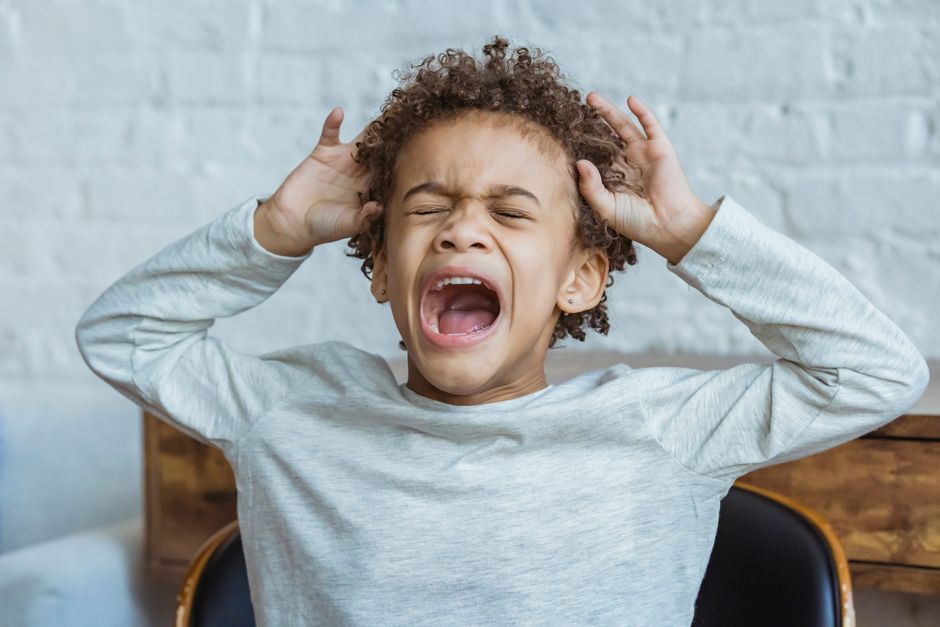
It can be startling to see your child suddenly overcome with worry, fear, or physical symptoms like a racing heart. You might wonder if this is just a phase or something more serious. The truth is that anxiety in children is very common and often stems from a mix of their natural temperament, learned behaviors, and real-world stressors they do not yet know how to process. Recognizing the difference between normal childhood fears and an anxiety problem that needs support is the first step to helping them feel safe and capable.
What Causes Anxiety in Children?
There is no single cause of anxiety in children. Research shows it usually comes from a combination of factors working together. Think of it like a puzzle with several pieces.
The first piece is genetics. Studies have found that anxiety can run in families. If you or your partner have struggled with anxiety yourself, your child has a higher chance of experiencing it too. This does not mean it is guaranteed, but it does mean their brain may be wired to be more sensitive to threats.
The second piece is brain chemistry. The brain uses chemicals called neurotransmitters to send signals. One of these, serotonin, helps regulate mood. When the balance of these chemicals is off, it can make a child more prone to worry. This is not something you can see or control, but it is a real biological factor.
The third piece is life experiences. A stressful event like moving to a new school, parents divorcing, or being bullied can trigger anxiety. Even smaller things like a tough test or a fight with a friend can pile up. Children who have experienced trauma are at a much higher risk for developing an anxiety disorder.
The fourth piece is learned behavior. Children watch their parents closely. If you react to everyday situations with fear or worry, they learn that the world is a scary place. This is not about blaming parents, but about understanding that modeling calm behavior is one of the most powerful tools you have.
What Are the Most Common Signs of Anxiety in Children?
Anxiety does not always look like a child saying “I am scared.” It often shows up in other ways that can be confusing for parents. The signs can be physical, behavioral, or emotional.
Physical signs are very common. Your child might complain of stomachaches or headaches, especially before school or a social event. They may feel shaky, sweaty, or have a racing heart. Many children say they feel like they cannot catch their breath. These are real physical symptoms caused by the body’s fight-or-flight response, not faking it.
Behavioral signs are what you see on the outside. Your child might avoid things like going to school, birthday parties, or even playing outside. They may become clingy and refuse to leave your side. Some children get irritable or have angry outbursts for no clear reason. Others may have trouble sleeping or have nightmares.
Emotional signs are what they feel inside. They might constantly ask “what if” questions. They may worry about things that are very unlikely to happen, like a fire at school or a family member getting sick. They might be very hard on themselves and feel like they need to be perfect. The key difference between normal worry and an anxiety problem is how long it lasts and how much it interferes with their daily life.
How Is Anxiety Different From Normal Childhood Fears?
Every child goes through phases of fear. A toddler may be scared of the dark. A preschooler may fear monsters. A school-aged child may worry about being separated from you. These fears are normal and usually go away on their own as the child grows.
Anxiety becomes a problem when the fear does not go away and starts to control the child’s life. The National Institute of Mental Health explains that an anxiety disorder is diagnosed when the fear or worry is out of proportion to the actual situation and causes significant distress or problems functioning. For example, being nervous before a big test is normal. Refusing to go to school for weeks because of test fear is not.
Another sign is that the fear lasts a long time. Normal fears usually fade within a few weeks or months. Anxiety disorders can persist for six months or longer. If your child has been showing signs of intense worry for more than a few weeks, it is worth talking to a professional.
The table below can help you see the difference between normal fear and an anxiety problem.
| Situation | Normal Fear | Possible Anxiety Problem |
|---|---|---|
| First day of school | Nervous for a few days, then adjusts | Refuses to go for weeks, has panic attacks |
| Getting a shot | Cries but calms down after | Becomes hysterical for hours before the appointment |
| Meeting new people | Shy at first, then warms up | Hides, refuses to speak, or has a meltdown |
| Taking a test | Feels butterflies, studies harder | Cannot sleep, vomits, or blanks out during the test |





What Are the Different Types of Anxiety Disorders in Children?
Anxiety is not one single thing. There are several specific types that affect children. Knowing which one your child might have can help you find the right support.
Generalized Anxiety Disorder (GAD) is when a child worries excessively about many things. They worry about school, friends, health, and world events. They often feel restless, tired, or tense. They may have trouble concentrating and sleeping. The worry is constant and hard to control.
Social Anxiety Disorder is an intense fear of being judged or embarrassed in social situations. Your child may be terrified of speaking in class, eating in front of others, or making friends. They may avoid social activities entirely. This goes far beyond simple shyness.
Separation Anxiety Disorder is common in younger children but can happen at any age. Your child has extreme fear about being away from you or from home. They may refuse to go to school, sleep alone, or even let you go to another room. They worry constantly that something bad will happen to you or to them.
Panic Disorder involves sudden, intense episodes of fear called panic attacks. Your child may feel like they are dying, going crazy, or losing control. Their heart pounds, they sweat, and they feel like they cannot breathe. These attacks can happen without any clear trigger.
Specific Phobias are intense fears of specific things like dogs, spiders, heights, or the dark. The fear is way out of proportion to the actual danger. Your child will go out of their way to avoid the thing they fear.
What Actually Helps a Child With Anxiety?
There are effective treatments for childhood anxiety. The most well-studied and recommended approach is a type of therapy called cognitive behavioral therapy (CBT). Research published in the Journal of the American Academy of Child and Adolescent Psychiatry shows that CBT is very effective for most children.
CBT works by teaching children how their thoughts, feelings, and behaviors are connected. A therapist helps them identify the scary thoughts that drive their anxiety. Then they learn to challenge those thoughts and replace them with more realistic ones. They also learn coping skills like deep breathing and relaxation techniques.
Another key part of CBT is exposure therapy. This means facing the fear in small, safe steps. For example, a child afraid of dogs might first look at a picture, then watch a dog from a distance, and eventually pet a calm dog. The goal is to learn that the feared thing is not as dangerous as they think.
For some children, medication may also be helpful. Selective serotonin reuptake inhibitors (SSRIs) are the most common type used. They are not a cure, but they can reduce symptoms enough that the child can benefit from therapy. Medication is usually considered when symptoms are severe or when therapy alone is not enough. Always talk to a child psychiatrist about this option.
Here are some practical things you can do at home to support your child:
- Listen to their fears without dismissing them. Say “I can see you are really scared” instead of “There is nothing to be afraid of.”
- Help them face fears gradually. Do not force them into scary situations, but do not let them avoid everything either.
- Teach simple relaxation skills like taking slow deep breaths together.
- Keep routines predictable. Structure helps children feel safe.
- Praise their courage, not just their success. Trying is a win.
What Should You Avoid When Your Child Has Anxiety?
Some common parenting responses can actually make anxiety worse without you meaning to. Knowing what to avoid is just as important as knowing what to do.
Avoid telling your child to just calm down or stop worrying. They cannot control it any more than they can control a fever. This response makes them feel misunderstood and alone. It also teaches them that their feelings are wrong.
Avoid letting them avoid everything they fear. This is called accommodation. It provides short-term relief but long-term harm. Every time they avoid, their brain learns that the thing is truly dangerous. The anxiety grows stronger. Instead, work with them to face fears in small steps.
Avoid giving too much reassurance. It feels natural to say “Everything will be fine” over and over. But this can become a crutch. Your child may start to rely on your reassurance instead of learning to handle the worry themselves. It is better to help them talk through the worry and figure out what is realistic.
Avoid being overly critical or demanding. Children with anxiety are often already very hard on themselves. Pushing them too hard or criticizing their efforts can make their self-doubt worse. Focus on effort and progress, not perfection.
Some people claim that special diets or supplements can cure anxiety. The evidence for this is very weak. As of 2025, there is no clinical evidence that any specific food or supplement is a reliable treatment for childhood anxiety disorders. A healthy diet is good for overall health, but it is not a substitute for therapy or medical care.
Frequently Asked Questions
Can a child outgrow anxiety without treatment?
Some mild anxiety may fade on its own, but moderate to severe anxiety usually does not. Without treatment, it often gets worse or turns into other problems like depression.
Is it my fault that my child has anxiety?
No. Anxiety is caused by many factors, including genetics and brain chemistry. Your parenting did not cause it, but how you respond can help or hurt their recovery.
When should I take my child to a doctor for anxiety?
See a doctor if the anxiety lasts more than a few weeks, causes big problems at school or home, or includes physical symptoms like stomachaches or panic attacks.
What is the best therapy for childhood anxiety?
Cognitive behavioral therapy (CBT) is the most effective and well-studied therapy for children with anxiety. It teaches practical skills to manage worry and fear.
