
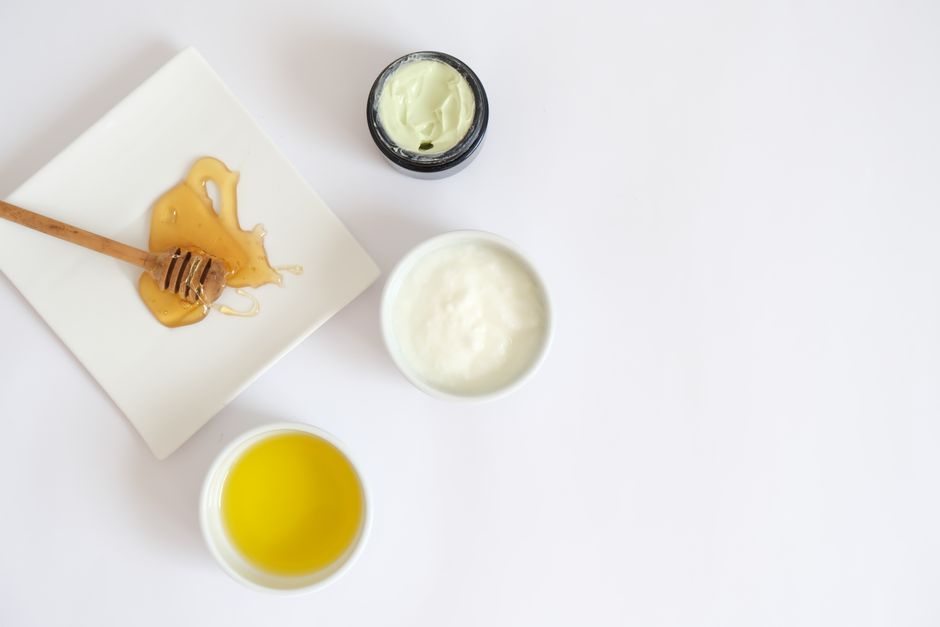
Honey turning white is a natural process, not a sign of spoilage. The white color comes from tiny air bubbles released as the honey crystallizes, a process where glucose separates from the liquid and forms solid crystals. You can fix it by gently warming the jar in a warm water bath, which dissolves the crystals and returns the honey to its liquid state.
Why Does Honey Turn White And How To Fix It? Root Causes
Honey is a supersaturated solution. It contains more sugar than water can normally hold at room temperature. This makes it naturally unstable. Over time, the glucose in honey separates from the water and forms solid crystals. This is crystallization.
When glucose crystals form, they push air bubbles to the surface. Those bubbles scatter light differently than liquid honey does. The result is a lighter color that can range from pale yellow to almost white. The honey is still safe to eat. Crystallization does not mean the honey has gone bad.
Some honey crystallizes faster than others. The ratio of glucose to fructose is the main factor. Honey with more glucose crystallizes quickly. Honey with more fructose stays liquid longer. Acacia honey has high fructose and stays liquid for months. Rapeseed honey has high glucose and can crystallize within days of extraction.
Is White Honey Still Good To Eat?
Yes. Crystallized honey is safe to eat and retains its nutritional value. The change in color and texture is physical, not chemical. No harmful compounds form during crystallization.
Many people actually prefer crystallized honey. It spreads easily on toast and does not drip. Some beekeepers intentionally sell creamed honey, which is honey whipped to create a smooth, spreadable texture with fine crystals. This is a deliberate product, not a defect.
The only real concern with crystallized honey is texture. Coarse crystals can feel gritty in the mouth. Some people find this unpleasant, but it is not a health issue.
Why Does My Honey Have White Foam Or Bubbles On Top?
White foam on the surface of honey is different from full crystallization. Foam forms when microscopic air bubbles rise to the top. This happens when honey is poured, strained, or handled roughly. The bubbles get trapped and create a frothy layer.
Foam can also appear after honey ferments slightly. If honey has high moisture content, wild yeast can start fermentation. This produces small bubbles and a slightly sour smell. Fermented honey is not dangerous, but it will not taste like fresh honey.
If the foam smells like alcohol or vinegar, fermentation is underway. This is rare in properly stored honey. Most commercial honey has moisture low enough to prevent fermentation. Raw honey can have slightly higher moisture and is more prone to this.





What Causes Some Honey To Crystallize Faster Than Others?
Several factors determine how quickly honey crystallizes. The most important is the sugar composition. Glucose crystallizes readily. Fructose does not. Honey with a high glucose-to-fructose ratio will solidify faster.
Temperature also matters. Honey crystallizes fastest at about 50°F to 59°F (10°C to 15°C). Refrigerator temperatures are in this range, which is why honey stored in the fridge crystallizes quickly. Room temperature around 70°F (21°C) slows crystallization. Very warm temperatures prevent it but can degrade honey quality over time.
Pollen and other particles also play a role. These tiny particles give glucose crystals something to attach to. Raw honey contains more pollen than filtered honey, so it crystallizes faster. Fine filtration removes these particles and delays crystallization.
Water content matters too. Honey with lower water content crystallizes faster because the sugar solution is more concentrated. Honey with higher water content stays liquid longer but risks fermentation.
How To Fix Crystallized Honey Safely
The safest way to reliquefy honey is a warm water bath. Place the honey jar in a bowl or pot of warm water. The water should be between 95°F and 110°F (35°C to 43°C). Let the jar sit until the crystals dissolve. Stir occasionally to distribute the heat.
Do not use boiling water. Temperatures above 110°F (43°C) can destroy beneficial enzymes and alter the honey’s flavor. Very high heat can also produce a compound called hydroxymethylfurfural (HMF), which forms when sugars break down under heat. HMF is not acutely toxic, but it is a marker of honey quality loss.
Never microwave honey. Microwaves heat unevenly. Some parts can become dangerously hot while others stay cool. This can destroy enzymes, alter flavor, and create hot spots that can burn you when you open the jar.
For small amounts, you can scoop out what you need and warm only that portion. This protects the rest of the jar from repeated heating. Each time you heat honey, you lose some quality. Repeated heating and cooling cycles speed up future crystallization.
If your honey is in a plastic container, transfer it to a glass jar before warming. Plastic can leach chemicals when heated. Glass distributes heat more evenly and is safer for warming.
How To Prevent Honey From Turning White
Store honey at room temperature in a sealed container. Avoid the refrigerator. Cold temperatures accelerate crystallization. A cupboard away from heat sources and direct sunlight is ideal.
Keep the lid tight. Honey absorbs moisture from the air. Higher moisture content changes the sugar balance and can lead to fermentation, especially in raw honey.
Choose filtered honey if you want it to stay liquid longer. Filtration removes pollen and other particles that seed crystal formation. This is the main difference between raw honey and commercial honey in terms of crystallization.
If you prefer raw honey, accept that crystallization is inevitable. Raw honey contains the particles that trigger crystal formation. It will crystallize eventually, no matter how you store it. This is not a flaw. It is a sign the honey is unprocessed.
Some beekeepers recommend storing honey in a warmer spot, like above the refrigerator or near a stove. This can delay crystallization but may degrade quality over months. The trade-off between liquid honey and preserved enzymes is real. Warm storage keeps honey liquid but slowly damages its delicate compounds.
Does Honey Expire Or Go Bad?
Honey does not spoil in the traditional sense. Its low water content and acidic pH create an environment where most bacteria cannot survive. Archaeologists have found edible honey in ancient Egyptian tombs, thousands of years old.
However, honey can change over time. It darkens, loses some aroma, and crystallizes. These changes affect flavor but not safety. Properly sealed honey stored in a cool, dry place can last indefinitely.
The exception is honey with high moisture content. If honey ferments, it will develop an off flavor and smell. This is more common in raw honey that was harvested too early or not properly cured by bees. Fermented honey is not toxic, but it will not taste good.
Infant botulism is the one real safety concern with honey. Honey can contain Clostridium botulinum spores. These are harmless to older children and adults but can cause serious illness in infants under 12 months. Do not give honey to babies under one year old, regardless of whether it is crystallized or liquid.
Is White Honey A Sign Of Adulteration Or Fake Honey?
No. Crystallization is a natural property of real honey. In fact, honey that never crystallizes may be suspect. Some adulterated honey products are made with high-fructose corn syrup or other sugars that do not crystallize the same way.
That said, not all honey that stays liquid is fake. Some honey varieties, like acacia and tupelo, naturally resist crystallization due to their high fructose content. These can remain liquid for a year or more.
If you want to test whether your honey is real, the crystallization test is not reliable on its own. Some real honey takes months to crystallize. Some adulterated honey can crystallize if enough real honey is mixed with syrup. No single home test can definitively prove honey purity.
Buy honey from reputable sources. Local beekeepers and brands that provide traceability information are generally more trustworthy than generic store brands. But even reputable honey crystallizes. This is normal and expected.
Frequently Asked Questions
Can you eat honey that has turned white?
Yes, white crystallized honey is completely safe to eat. Crystallization is a natural physical process that does not change the honey’s safety or nutritional value.
Does putting honey in the refrigerator make it turn white faster?
Yes, refrigerator temperatures around 50°F to 59°F are ideal for crystallization. Honey stored in the fridge will solidify much faster than honey kept at room temperature.
Is crystallized honey a sign of real honey?
Not necessarily, but genuine honey does crystallize naturally over time. Some honey varieties resist crystallization for long periods due to their sugar composition, so liquid honey can also be real.
How long does it take to fix crystallized honey in a warm water bath?
Most jars reliquefy within 15 to 30 minutes in warm water. Larger jars or heavily crystallized honey may take longer, and you should stir occasionally to help the process along.
