
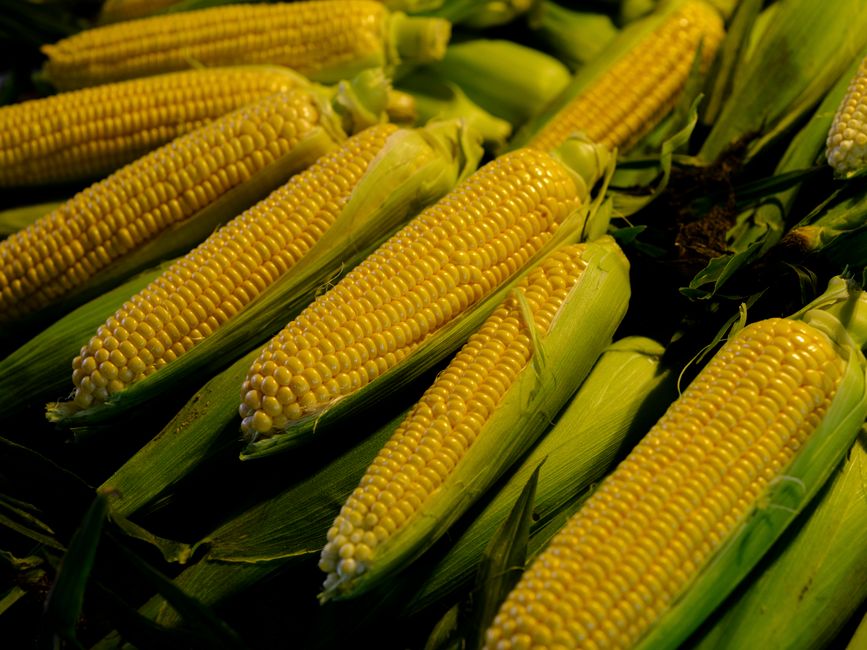
You notice it in the bathroom shortly after eating it. Whole kernels, looking almost exactly as they did on your plate. It is a common experience, and it raises a fair question: why does corn pass through your body seemingly untouched? The short answer is that your body lacks the specific enzyme needed to break down the tough outer shell of the corn kernel. That shell, made of a material called cellulose, protects the softer inside of the kernel from your digestive juices, so it travels through your system and comes out the other side largely intact.
Why Does Corn Not Digest in the Human Stomach?
To understand why corn resists digestion, you have to look at its structure. Each kernel is wrapped in a thin, transparent outer layer called the pericarp, or hull. This hull is mostly cellulose, which is a complex carbohydrate and a type of dietary fiber.
Humans do not produce the enzyme cellulase. This is the enzyme required to break the chemical bonds in cellulose. Ruminant animals like cows and sheep have specialized stomachs with bacteria that produce cellulase, allowing them to digest grass and tough plant material. Humans do not have this capacity. Because your digestive tract cannot break down the cellulose hull, the kernel’s protective outer layer stays sealed.
Your stomach acid and digestive enzymes can work on the inside of the kernel only if the hull is chewed open or broken. This is why chewing thoroughly matters. If you swallow corn without breaking the hull, the entire kernel will pass through your small intestine and into your colon essentially unchanged.
Is Seeing Whole Corn in Stool a Problem?
For most healthy people, seeing whole kernels in your stool is not a medical problem. It is a normal consequence of eating corn. The condition is called corn passing undigested, and it is not a sign of poor digestion or a serious gastrointestinal issue.
However, the timing of when you see the corn can be misleading. People often assume the corn they see in the toilet is from the meal they just ate. That is rarely true. The digestive process takes anywhere from 24 to 72 hours from mouth to toilet. The corn you see today is likely from a meal you ate two or three days ago. If you see corn and assume it is from your last meal, you are probably looking at older food.
Frequent undigested food in your stool can sometimes point to a faster-than-normal transit time. If food moves through your system too quickly, your body has less time to break it down. But with corn, even a slow digestive system will not break down the hull because the missing enzyme is the issue, not the speed.
Does Chewing Corn Thoroughly Make a Difference?
Chewing is the only mechanical way to break the cellulose hull before it reaches your stomach. Your teeth are the primary tool for cracking open the outer shell of each kernel. When you chew corn well, you crush the hull and release the softer starchy center. This center, called the endosperm, is digestible.
If you chew corn into a paste, your body can absorb the nutrients from the inside of the kernel. The small pieces of hull that remain will still pass through undigested, but they will be less noticeable. They are still fiber, and fiber is beneficial for your digestive health even if you do not digest it.
People who eat corn quickly, such as corn on the cob at a barbecue, tend to swallow more whole kernels. This is not harmful, but it increases the amount of visible corn in the stool. Slowing down and chewing more carefully will reduce this effect, though it will not eliminate it entirely.




Is Sweet Corn Less Likely to Pass Through Undigested?
Sweet corn is the type most people eat fresh, frozen, or canned. It is harvested early, while the kernels are still tender and high in sugar. Despite its name and softer texture, sweet corn still has the same cellulose hull as field corn. It will still pass through undigested if you swallow the kernels whole.
Popcorn is a different matter. Popcorn is a whole grain, and when it pops, the hull is already ruptured by the heat and pressure. You still may see pieces of the hull in your stool, but they are smaller and less likely to be noticed. Popcorn hulls can sometimes get trapped in the pockets of the colon, a condition called diverticulitis, though the evidence linking popcorn to diverticulitis flare-ups is not strong.
Canned corn is often processed with heat and pressure, which softens the hull slightly. This can make it slightly easier to digest than fresh raw corn, but the effect is modest. The cellulose structure remains intact enough that you may still see kernels in the stool.
What Nutrients Are You Actually Getting From Corn?
Even though the hull is indigestible, corn still provides real nutritional value. The inside of the kernel contains carbohydrates, fiber, B vitamins, and some minerals. When you chew the kernels open, your body absorbs these nutrients.
Corn is a starchy vegetable, not a low-carbohydrate food. A medium ear of corn contains roughly 90 calories and about 20 grams of carbohydrates. It also provides about 2 grams of fiber and 3 grams of protein. These figures are consistent with USDA nutritional data for sweet corn.
The insoluble fiber in the hull is what helps move food through your digestive tract. Even though you do not digest it, this fiber adds bulk to your stool and can help prevent constipation. The fiber in corn is one reason it is considered a healthy whole grain when eaten in its intact form.
When Should You Be Concerned About Undigested Food?
Seeing corn in your stool is normal. But if you notice large amounts of undigested food regularly, it may be worth discussing with a doctor. Conditions that affect nutrient absorption, such as celiac disease or Crohn’s disease, can cause more food to pass through undigested. These conditions also come with other symptoms like abdominal pain, diarrhea, weight loss, or fatigue.
If you see undigested corn along with greasy stools, foul-smelling stools, or unexplained weight loss, this is a different situation. These symptoms can indicate that your body is not digesting fat properly, which is not related to corn. This warrants a medical evaluation.
Another sign to watch for is a sudden change in your digestive habits. If you have always digested corn without issue and suddenly start seeing whole kernels regularly, it could indicate that your digestive system is processing food more quickly than usual. Stress, illness, or changes in your diet can all affect transit time. If the change persists, a doctor can help determine the cause.
Does Cooking Corn Make It More Digestible?
Cooking breaks down some of the starches in corn, making the inside of the kernel easier to digest. Heat does not break down cellulose in any meaningful way. The hull remains resistant to digestion even after boiling, steaming, roasting, or grilling.
Some traditional methods of preparing corn do make it more digestible. Nixtamalization is a process where dried corn is soaked and cooked in an alkaline solution, usually limewater. This process is used to make masa, the dough used for corn tortillas. Nixtamalization breaks down the hull and releases niacin, a B vitamin that would otherwise be unavailable. This is why traditional tortillas are more nutritious than plain whole-kernel corn.
If you want to get more nutrition from corn, choose products made from nixtamalized corn, like tortillas. Whole-kernel corn is fine, but you are passing a portion of it through without absorbing everything it contains. Grinding corn into meal or flour also breaks the hull, making the nutrients accessible.
Are There Health Benefits to Eating Indigestible Corn?
The indigestible part of corn is not wasted. The cellulose hull is a form of insoluble fiber, which plays an important role in digestive health. Insoluble fiber does not dissolve in water. Instead, it adds bulk to your stool and helps food move more quickly through your digestive system.
This type of fiber can help prevent constipation and is associated with a lower risk of developing hemorrhoids. Some research also suggests that diets high in insoluble fiber are linked to a reduced risk of diverticular disease. The evidence for these benefits is well established in nutritional science.
Corn also contains resistant starch, which is a type of starch that resists digestion in the small intestine. Resistant starch reaches the colon where it is fermented by gut bacteria. This fermentation produces short-chain fatty acids, which feed the beneficial bacteria in your gut. This is a genuine benefit of eating corn, even if the visible kernels in your stool seem wasteful.
How to Eat Corn More Comfortably
If the sight of undigested corn bothers you, there are practical steps you can take. Chewing thoroughly is the most effective. Aim to break each kernel open before swallowing. This is easier with a fork than when eating corn on the cob.
Choosing corn products that are already processed can also help. Creamed corn, corn soup, and cornmeal have the hulls broken down or removed. These forms will not produce visible kernels in your stool.
Drinking plenty of water helps fiber move through your digestive tract. If you are increasing your fiber intake by eating more corn, do so gradually. A sudden increase in fiber can cause gas, bloating, and cramping as your gut bacteria adjust.
Frequently Asked Questions
Why does corn come out whole in my stool?
Corn has a tough outer shell made of cellulose that your body cannot break down because it lacks the enzyme cellulase. The kernel passes through your digestive tract intact when you do not chew it open.
Is it bad if I see corn in my poop?
No, it is normal and not a sign of a health problem. It simply means the corn’s outer hull was not broken down during digestion.
How long does corn take to digest?
Corn takes the same 24 to 72 hours as most foods to move through your digestive system. If you see corn in your stool, it is likely from a meal you ate two or three days ago, not your most recent one.
Does chewing corn more help with digestion?
Yes, chewing breaks the outer hull and exposes the digestible inside of the kernel. Thorough chewing reduces the amount of whole corn that passes through undigested.
