
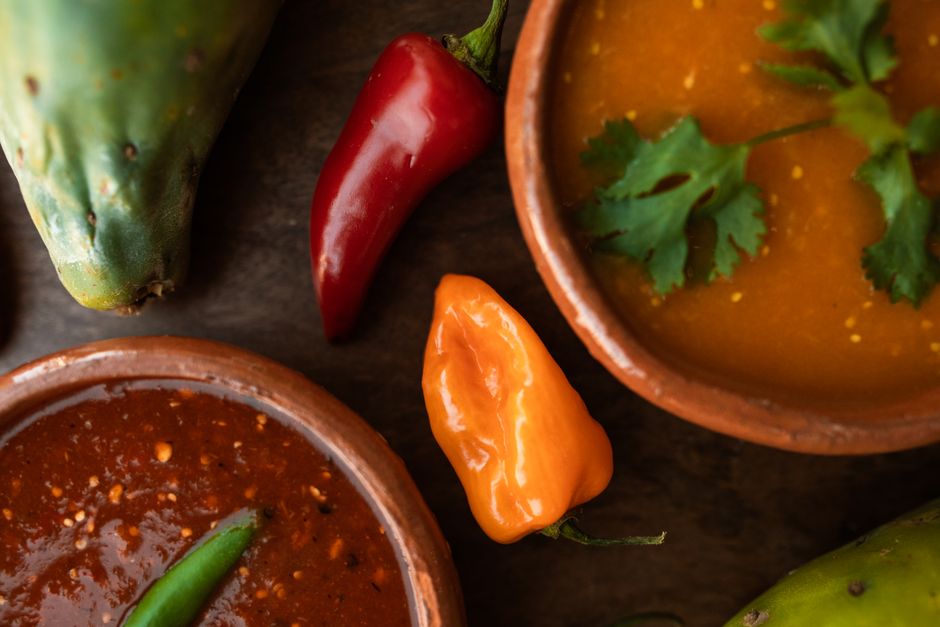
Chili peppers can trigger diarrhea because they contain capsaicin, a compound that irritates the lining of your digestive tract. This irritation speeds up how fast food moves through your intestines, leaving less time for water to be absorbed. The result is loose, urgent stools that often follow a spicy meal. The fix involves understanding your own tolerance, adjusting how you eat spicy foods, and knowing when a more serious issue might be at play.
What Does Capsaicin Do To Your Digestive System?
Capsaicin is the chemical that makes chili peppers hot. It binds to a specific receptor in your body called TRPV1, which normally detects heat and pain. When capsaicin activates this receptor in your mouth, you feel the familiar burning sensation.
The same receptor exists throughout your digestive tract. When capsaicin reaches your stomach and intestines, it triggers the same pain and heat response there. Your gut responds by speeding up its contractions to push the irritating substance out as quickly as possible. This is called accelerated transit time.
When food moves through your colon too quickly, your body does not have enough time to reabsorb water from the stool. That excess water is what produces diarrhea. It is a protective response, not a sign that anything is wrong with your digestive system.
Some people also produce more gastric acid in response to capsaicin. This can worsen heartburn or stomach discomfort, though it is not the direct cause of diarrhea.
Why Do Some People Get Diarrhea From Chili And Others Do Not?
Tolerance varies significantly from person to person. Regular exposure to capsaicin can desensitize the TRPV1 receptors over time. People who eat spicy food often build up a tolerance, which is why a lifelong chili eater can handle dishes that overwhelm someone trying spicy food for the first time.
Genetics also play a role. Some people naturally have more sensitive pain receptors or different receptor densities in their gut. There is no reliable test to predict your personal tolerance. It typically comes down to trial and error.
Your gut microbiome may influence how you react to spicy foods as well. Some research suggests that the balance of bacteria in your intestines affects how your body processes capsaicin and other irritants. The evidence here is still emerging, and no specific probiotic has been proven to prevent chili-induced diarrhea.
Underlying digestive conditions matter too. People with irritable bowel syndrome (IBS) or other functional gut disorders often report that spicy foods trigger symptoms. If you have a diagnosed digestive condition, capsaicin may affect you more strongly than it affects someone without that condition.
Is The Diarrhea From Chili A Sign Of A Food Allergy?
No. Diarrhea from capsaicin is not an allergic reaction. True food allergies involve the immune system and typically cause hives, swelling, difficulty breathing, or vomiting. Diarrhea alone after eating chili is a digestive intolerance, not an allergy.
Capsaicin is not the only ingredient in chili that can cause digestive upset. Many chili dishes are high in fat, especially when made with ground beef, cheese, or oil. High-fat meals stimulate the release of bile and can cause loose stools on their own.
Beans, which are common in chili recipes, contain oligosaccharides that some people cannot fully digest. These carbohydrates ferment in the colon and can cause gas, bloating, and diarrhea. If you react to bean-heavy chili but handle plain peppers without issue, the beans may be the culprit.
Spicy dishes often contain high amounts of garlic, onion, and other foods that can irritate a sensitive gut. Processed chili products may also contain preservatives or artificial ingredients that trigger symptoms in some people.




How Long Does Chili-Induced Diarrhea Last?
Most people feel better within 12 to 24 hours. The diarrhea typically resolves once the capsaicin has passed through your system. Your gut returns to normal function once the irritant is gone.
You should stay hydrated during this time. Diarrhea causes fluid loss, and replacing that fluid is the most important step. Water is usually sufficient, though oral rehydration solutions can help if the diarrhea is severe or frequent.
If diarrhea lasts longer than 48 hours, or if you develop a fever, severe abdominal pain, or blood in your stool, you should seek medical attention. These symptoms suggest something other than capsaicin irritation may be going on.
Repeated episodes of diarrhea after every spicy meal are not dangerous for most healthy adults, but they are a sign that your gut is sensitive to capsaicin. Adjusting your intake is the most reliable way to prevent the symptom.
Does Cooking Chili Reduce Its Effects On Digestion?
Cooking does not break down capsaicin. It is a very stable compound that survives high heat. A slow-cooked pot of chili will be just as hot as a quick stir-fry using the same peppers. The only way to reduce the capsaicin content is to remove the seeds and membranes before cooking.
The seeds and white membranes inside a pepper contain the highest concentration of capsaicin. The flesh of the pepper has less. Removing these parts before cooking reduces the heat level, though it does not eliminate it entirely.
Pairing spicy food with dairy can help. Dairy products contain casein, a protein that binds to capsaicin and washes it away from the receptors in your mouth. A glass of milk or a spoonful of yogurt can reduce the burning sensation, though the effect on your intestines is less clear.
Eating chili alongside rice, bread, or other bland carbohydrates can dilute the capsaicin concentration in your gut. This does not neutralize the compound, but it may reduce how quickly it irritates your intestinal lining.
How Can You Prevent Diarrhea When Eating Chili?
The most reliable prevention is portion control. Start with a small amount of a new spicy dish and see how your body responds before eating a full serving. This is especially important if you have been bothered by spicy food in the past.
Gradually increasing your exposure over weeks or months can build tolerance. This works for many people, though it does not work for everyone. Some people never build enough tolerance to eat very spicy food comfortably.
Eating spicy food on a full stomach may reduce symptoms. A meal that already contains substantial food dilutes the capsaicin and slows its passage through your digestive tract. Eating chili on an empty stomach concentrates the irritant and often causes more severe symptoms.
If you have IBS or another diagnosed gut condition, talk to your doctor about whether spicy foods should be part of your diet. Some clinicians recommend avoiding trigger foods entirely for people with sensitive digestive systems. This is a common recommendation, though the evidence base for specific dietary restrictions in IBS is still developing.
What Should You Do If You Get Diarrhea From Chili?
Hydration is the priority. Drink water or an oral rehydration solution throughout the day. Avoid alcohol and caffeinated drinks, as these can worsen dehydration.
Eat bland, low-fat foods until your symptoms resolve. Plain rice, toast, bananas, and applesauce are gentle on the digestive tract. Avoid dairy, greasy foods, and additional spicy foods until you feel normal again.
Over-the-counter anti-diarrheal medications like loperamide can stop symptoms quickly, but they are not always recommended. Some experts advise letting diarrhea run its course when it is caused by an irritant, since the body is trying to flush something out. If you use these medications, follow the dosing instructions on the package.
Do not take anti-diarrheal medication if you have a fever or blood in your stool. These signs may indicate an infection, and stopping diarrhea in that situation can trap harmful bacteria in your system.
When Should You See A Doctor About Spicy Food Diarrhea?
Occasional diarrhea after eating chili is normal and does not require medical attention. You should see a doctor if the diarrhea happens after every meal, not just spicy ones, or if it persists for more than two days.
Seek prompt medical care if you have signs of dehydration, including dark urine, dizziness, or extreme thirst. Also seek care if you have severe abdominal pain, a fever above 101°F, or blood in your stool. These symptoms require evaluation beyond simple capsaicin irritation.
If you notice that your digestive symptoms have changed recently, or if you have lost weight without trying, mention this to your doctor. New or worsening digestive symptoms deserve a proper evaluation, even if you suspect the cause is your diet.
Frequently Asked Questions
Can chili peppers permanently damage your digestive system?
No. Capsaicin causes temporary irritation, not permanent damage. Your intestinal lining recovers once the compound passes through your system.
Does drinking water help with chili-induced diarrhea?
Water helps with hydration but does not stop the diarrhea. Water does not wash capsaicin off the receptors in your intestines the way dairy binds to it in your mouth.
Is chili-induced diarrhea dangerous during pregnancy?
Spicy food is generally safe during pregnancy, but diarrhea can cause dehydration, which is riskier during pregnancy. If you are pregnant and get diarrhea from chili, focus on fluid replacement and talk to your prenatal care provider if symptoms persist.
Why does chili cause diarrhea the next morning?
It takes time for food to move through your digestive tract. The capsaicin from a dinner meal can reach your colon hours later, producing the urge to go the next morning.
