
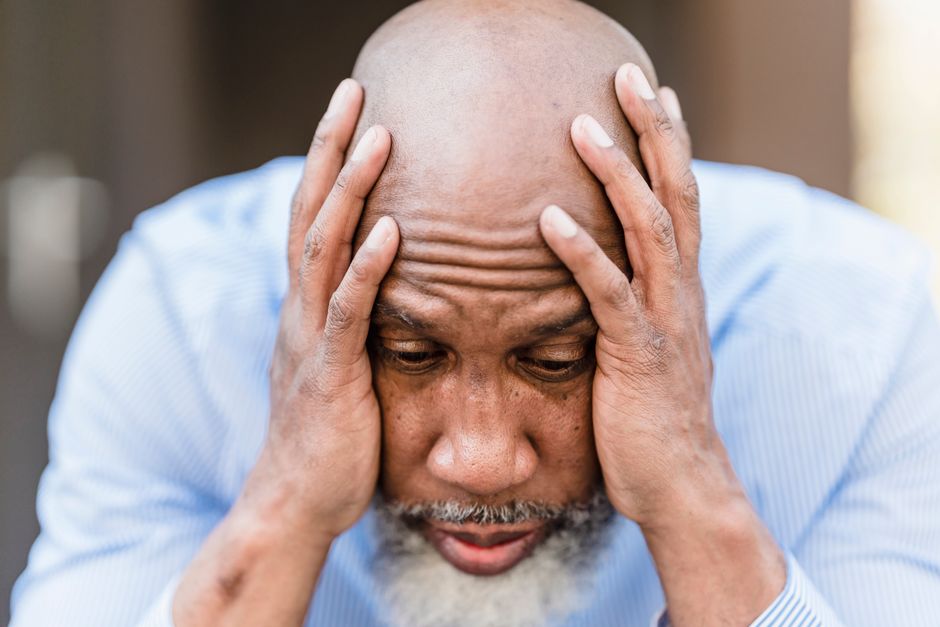
Your chest tightens. You feel like you cannot get enough air. Your throat feels like it is closing. This is one of the most frightening symptoms of anxiety, and it is very real. The feeling is caused by your body’s natural stress response, which changes how you breathe and how your muscles tense up. Understanding exactly why this happens is the first step to feeling less afraid of it.
Why Does Anxiety Make it Hard to Breathe?
The short answer is that anxiety triggers your sympathetic nervous system, often called the fight-or-flight response. This system was designed to help you escape physical danger. It floods your body with stress hormones like adrenaline. These hormones make your heart beat faster and your breathing speed up to prepare your muscles for action.
When you are not actually running from a threat, this rapid breathing can become shallow and inefficient. You start taking quick, small breaths from your chest instead of slow, deep breaths from your diaphragm. This is called hyperventilation. It upsets the balance of oxygen and carbon dioxide in your blood. Low carbon dioxide levels make blood vessels in your brain constrict, which can cause dizziness, tingling, and the sensation of suffocation. This feeling then makes you more anxious, creating a feedback loop that is hard to break.
What Triggers the Feeling of Breathlessness?
Specific triggers vary from person to person, but the underlying mechanism is the same. The brain’s amygdala, which processes fear, sends an alarm signal. This signal can be set off by anything your brain perceives as a threat, even if that threat is not physical.
Common triggers include stressful events like public speaking or a job interview. Panic attacks are a direct trigger, where the feeling of breathlessness comes on suddenly and intensely. Physical sensations can also be triggers. For example, if you feel your heart race after climbing stairs, your brain might misinterpret that normal sensation as danger and start a panic response. Health anxiety, or hypochondria, is a powerful trigger because you are constantly scanning your body for signs of illness, and every small change in your breathing feels like proof of a serious problem.
How Does Panic Disorder Change Your Breathing?
Panic disorder is a specific condition where panic attacks happen repeatedly and unexpectedly. Research published in the journal Biological Psychiatry has shown that people with panic disorder have a heightened sensitivity to carbon dioxide levels in the blood. Their brains interpret a normal buildup of CO2, which happens when you hold your breath or breathe shallowly, as a sign of suffocation. This triggers a massive fear response.
This means the breathing problem is not just a symptom of the panic attack. It is often the cause. The person’s respiratory control system is overly sensitive. They may breathe slightly faster than normal all the time, keeping their CO2 levels chronically low. This makes them more vulnerable to feeling breathless when any extra stress comes along. The feeling is not imagined. It is a real physiological response to a sensitive alarm system.
-
 What Vitamin Helps Anxiety and Stress? Here’s What to Know
 -
Is Anxiety Inherited from Mother or Father? The Real Answer
-
When Anxiety Was Great Within Me? What You Need to Know
-
Can Vitamin Deficiency Cause Anxiety? What’s Actually True
-
Memory Wave Review 2026: Legit Brainwave Program or Overhyped Scam?





What Actually Helps When You Cannot Catch Your Breath?
The most effective immediate technique is slow, controlled breathing. The goal is to reverse the hyperventilation pattern. The specific method that has the most research support is called slow-paced breathing, often done at a rate of five to six breaths per minute. You can do this by breathing in for a count of four and out for a count of six. The longer exhale activates the vagus nerve, which helps calm the nervous system.
Another well-studied approach is pursed-lip breathing. Breathe in slowly through your nose. Then pucker your lips like you are going to whistle and breathe out slowly through your mouth. This creates back pressure in your airways, keeping them open longer and helping you empty your lungs more fully. It is a common technique used in pulmonary rehabilitation, and it works for anxiety-related breathlessness too.
What Should You Avoid Doing?
Do not try to take huge, gasping breaths. This makes hyperventilation worse. It lowers your CO2 levels even further and can increase the feeling of suffocation. Many people instinctively do this when they feel short of breath, but it is the opposite of what the body needs.
Do not hold your breath. Some people try to “catch” their breath by holding it. This can cause a sudden spike in CO2 that triggers your brain’s suffocation alarm, making the panic worse. The goal is slow, steady breathing, not stopping breathing.
Do not immediately assume the worst. It is natural to think you are having a heart attack or a lung problem. If you have been evaluated by a doctor and they have ruled out medical causes, remind yourself that this feeling is from anxiety. It is uncomfortable but not dangerous. Your body will correct the oxygen and CO2 balance on its own once you stop panicking.
How Do You Tell the Difference Between Anxiety and a Medical Problem?
This is the most important question to answer honestly. You cannot always tell the difference on your own. Some medical conditions cause the exact same symptoms as anxiety. Asthma, chronic obstructive pulmonary disease (COPD), pulmonary embolism, and heart problems can all cause sudden shortness of breath.
The table below shows some general differences, but it is not a substitute for a medical evaluation.
| Symptom | More Common with Anxiety | More Common with Medical Issue |
|---|---|---|
| Onset | Sudden, often in a stressful situation | Can be sudden or gradual |
| Associated feelings | Dizziness, tingling, sense of doom, racing thoughts | Chest pain, coughing, fever, leg swelling |
| Response to distraction | Often improves when you are distracted | Typically does not change with distraction |
| Pattern | Comes and goes, often in waves | May be constant or get worse with activity |
If you have sudden, severe shortness of breath, chest pain, or fainting, call 911. If your breathing problems are new, persistent, or accompanied by a cough or fever, see a doctor. The CDC recommends getting a physical exam to rule out underlying conditions before assuming it is anxiety. Once a doctor confirms it is anxiety, you can treat the breathing problem with the techniques above and with professional help like cognitive behavioral therapy.
Frequently Asked Questions
Can anxiety cause shortness of breath all day?
Yes, chronic anxiety can keep your body in a low-level stress state, causing shallow breathing throughout the day. This is often called “air hunger” and can feel like you can never take a satisfying deep breath.
Why do I yawn when I am anxious?
Yawning is your body’s attempt to take in more oxygen and cool down the brain. When anxiety makes your breathing shallow, yawning can be a reflex to try to reset your breathing pattern.
Does deep breathing always stop an anxiety attack?
No, not always. Deep breathing is most effective when started early in the attack. If the panic is already full-blown, it may take longer to work, and you may also need grounding techniques or medication.
Can anxiety cause a feeling of a lump in the throat?
Yes, this is called globus sensation. Anxiety causes the muscles in your throat to tense up, which creates the feeling of a lump or tightness even though nothing is physically there.
