
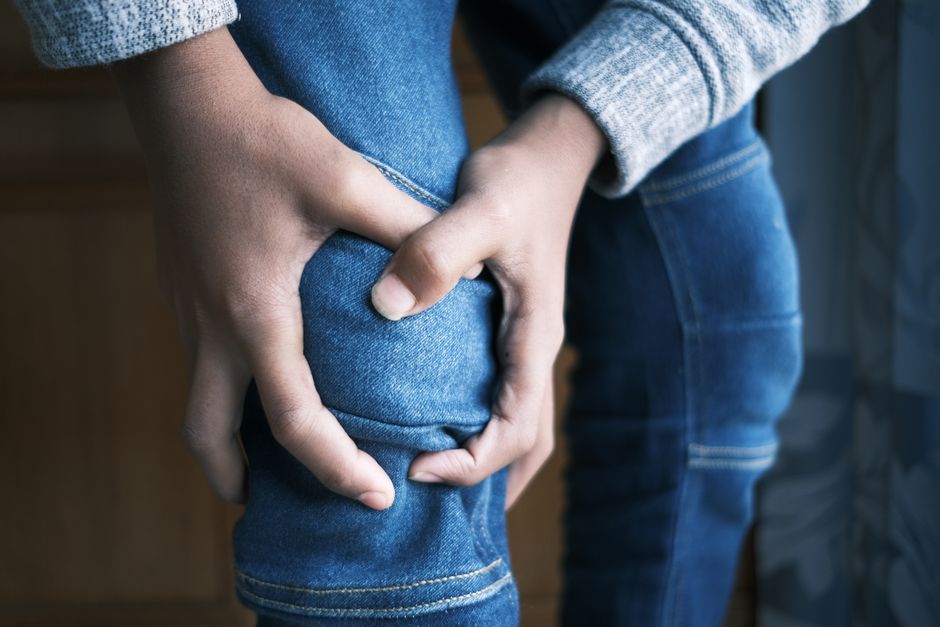
Put your hand over a sprained ankle or a fresh scrape and you will often feel warmth. That heat is not imaginary, and it is not a sign that something has gone wrong. It is the visible result of your immune system sending more blood to the injured area. The blood vessels widen, blood flow increases, and immune cells move in to start repairs. Heat is one of the four classic signs of inflammation, alongside redness, swelling, and pain.
That warmth is usually a normal part of healing. It becomes a concern only when it is severe, spreading, or paired with other warning signs. Understanding what is happening under the skin makes it easier to know when to leave an injury alone and when to get help.
Why Does An Injury Feel Hot The Science Of Inflammation?
Inflammation is the body’s response to damage or infection. When tissue is injured, specialized immune cells at the site release signaling molecules called cytokines and other chemical messengers. These signals tell the small blood vessels in the area to widen, a process called vasodilation.
Wider vessels allow more blood to flow into the injured tissue. That extra blood is warm, roughly body temperature, and it carries heat with it. The increased flow is also why the area looks red. The same process makes the tissue feel warm to the touch.
At the same time, the vessel walls become slightly leaky. Fluid and immune cells move out of the bloodstream and into the damaged tissue. This fluid buildup is what causes swelling. It presses on nearby nerves, which contributes to pain.
The four classic signs of inflammation have been described for a very long time and are still taught in medical training today:
- Heat — increased blood flow warms the area
- Redness — the same extra blood makes it look red
- Swelling — fluid leaks into the tissue
- Pain — pressure and chemical signals sensitize nerves
There is a useful distinction here that many people miss. Heat from inflammation is generated by your own body’s blood flow. Heat from an infection can be different, and a spreading fever or a wound that is hot, swollen, and streaking red needs medical attention rather than home care.
What Is Actually Happening Under The Skin?
The warmth is the surface sign of a coordinated repair process. Within minutes of an injury, platelets and damaged cells release signals that call immune cells to the site. The first responders are often neutrophils, a type of white blood cell that helps clear debris and fight bacteria.
Over the following hours and days, other immune cells arrive, including macrophages. These cells clean up dead tissue and release growth factors that help rebuild the damaged area. The heat and swelling you feel are part of this active phase.
Blood flow to the area can increase substantially during acute inflammation. That is why a fresh injury often feels noticeably warmer than the skin around it. The warmth tends to peak in the first day or two and then gradually settles as the acute phase passes.
This process is not a malfunction. It is the body doing exactly what it is designed to do. The question is not whether inflammation is good or bad, but whether it is proportionate and resolving.
Is The Heat A Good Sign Or A Warning Sign?
Mild warmth around a new injury is expected and generally a sign that the healing response is underway. A sprained ankle that is warm, swollen, and sore for a few days is following a normal pattern.
Some situations are different. Seek medical care if you notice any of the following:
- The area becomes much hotter, more swollen, or more painful over time instead of improving
- Red streaks spread from the wound toward the body
- You develop a fever, chills, or feel generally unwell
- The skin becomes very red, tight, and painful to touch
- There is pus, foul smell, or the wound is deep or dirty
These can be signs of infection rather than simple inflammation. A wound infection is a different problem from a bruise or sprain, and it may need antibiotics. Do not wait to see if it settles on its own if these signs appear.
People with diabetes, poor circulation, or a weakened immune system should be more cautious. Their bodies may not mount a strong visible response, and infections can progress faster. When in doubt, get it checked.





How Long Should An Injury Feel Hot?
For a minor injury such as a sprain or a small scrape, warmth usually eases within a few days. Swelling and soreness often take longer to fully resolve, sometimes one to two weeks depending on the injury.
The exact timeline varies with the type and severity of the injury, your age, and your general health. A large bruise or a significant sprain will take longer than a small cut. There is no single number that applies to everyone.
What matters more than the exact number of days is the direction of change. An injury that is steadily less warm, less swollen, and less painful is following the expected course. One that is getting worse after the first day or two deserves a closer look.
Does Heat Help Or Hurt A Fresh Injury?
For a new injury in the first day or two, cold is generally used rather than heat. Applying something cold can narrow blood vessels, reduce blood flow, and ease swelling and pain. This is common first-aid practice, and it aligns with what we know about the inflammatory response.
Heat is more often used later, once the acute phase has passed, to relax tight muscles and ease stiffness. Applying heat to a fresh, swollen injury may increase blood flow further and add to swelling, which is usually not helpful early on.
Some practical points on cold therapy:
- Wrap ice or a cold pack in a cloth rather than placing it directly on skin
- Keep it on for short periods, roughly 15 to 20 minutes at a time
- Allow the skin to return to normal temperature between applications
- Do not use cold therapy on broken skin or if you have poor circulation without medical advice
Cold therapy is widely recommended in first aid, though the evidence for how much it speeds healing is limited. It is best thought of as a comfort measure that may reduce swelling and pain, not a treatment that guarantees faster recovery.
When Is Inflammation A Bigger Problem?
Acute inflammation after an injury is short-lived and self-limiting. Chronic inflammation is different. It is a low-grade, persistent immune response that can smolder for months or years, and it is linked to conditions such as heart disease, type 2 diabetes, and some autoimmune diseases.
Chronic inflammation does not usually make a body part feel hot to the touch. It is largely invisible from the outside. That is an important distinction: the warmth of a fresh injury is a local, visible event, while chronic inflammation is a systemic process that shows up in blood markers and long-term health outcomes rather than in skin temperature.
Many products marketed as anti-inflammatory supplements claim to calm this kind of inflammation. The evidence for most of them is limited, and no supplement has been shown to reliably prevent or treat chronic inflammatory disease. Some clinicians recommend dietary patterns rich in vegetables, fruits, and whole grains, but the strongest evidence supports overall lifestyle factors such as regular physical activity and not smoking.
What Can You Do While It Heals?
For most minor injuries, the goal is to support healing without interfering with it. Rest the area, protect it from further strain, and elevate it if possible to help fluid drain away from the injury.
Over-the-counter pain relievers can ease discomfort. Some of them also reduce inflammation, but there is ongoing debate about whether routinely suppressing inflammation slows healing. The evidence is mixed, and short-term use for pain is common practice. If you have questions about which option is right for you, a pharmacist or clinician can help.
Watch for the warning signs of infection listed above. Most injuries heal without any special treatment beyond time and basic care. The warmth you feel is your body at work, not a signal that something has gone wrong.
Frequently Asked Questions
Why does an injured area feel hot to the touch?
Injury triggers inflammation, which widens blood vessels and increases blood flow to the area, carrying body-temperature blood to the surface. That extra warm blood is what you feel as heat.
Is heat a sign of infection?
Not by itself, since normal inflammation causes warmth too. Heat that keeps increasing, spreads, or comes with fever, red streaks, pus, or worsening pain can point to infection and should be checked by a clinician.
Should I use ice or heat on a new injury?
Cold is generally used in the first day or two to reduce swelling and pain. Heat is more often used later for muscle stiffness, not on a fresh swollen injury.
How long does inflammation last after an injury?
For minor injuries, the acute inflammatory phase usually eases within a few days, while full healing can take longer depending on the injury. Worsening symptoms after the first day or two are a reason to seek care.
