
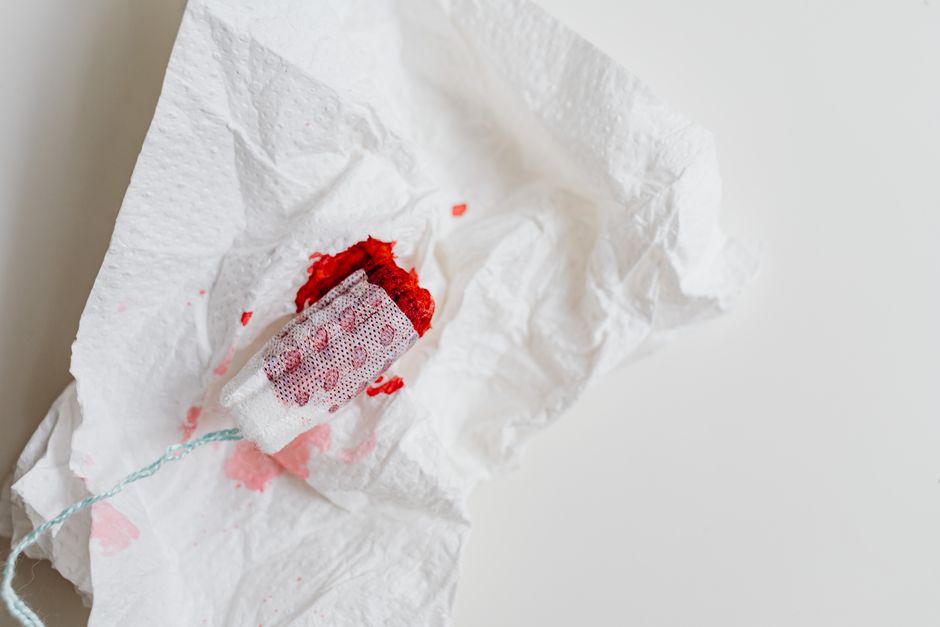
Seeing blood in the toilet bowl or on the toilet paper can be alarming. It is a common problem, and in most cases the cause is not life-threatening. The most frequent reasons are hemorrhoids or small tears in the anus called anal fissures. But there are other causes that need a doctor’s attention, so knowing the difference matters.
What causes bleeding during a bowel movement?
The blood you see when you poop comes from somewhere in your digestive tract. It could be near the exit — the anus or rectum — or higher up in the colon. The color of the blood is a major clue about where it started.
Bright red blood usually means the bleeding is close to the anus. This is common with hemorrhoids or anal fissures. Dark red or maroon blood suggests the bleeding is coming from higher in the colon. Black, tarry stools (called melena) mean the blood has been digested, which points to bleeding in the stomach or small intestine.
Most people who see blood when they poop have bright red blood. This is reassuring because it often means a minor issue. But you should still get it checked out, especially if it happens more than once.
Why Does I Bleed When I Poop? The most common causes explained
Hemorrhoids are the top cause of rectal bleeding. They are swollen veins in the rectum or anus, similar to varicose veins. Straining during bowel movements, chronic constipation, and pregnancy can all make them worse. The blood is usually bright red and may drip into the toilet or appear on the toilet paper.
Anal fissures are small tears in the lining of the anus. They happen when hard stool stretches the skin too much. The pain is often sharp and burning, and you may see a small amount of bright red blood. Fissures are very common and usually heal on their own with softer stools.
Other causes include diverticulosis (small pouches in the colon wall that bleed), inflammatory bowel disease (Crohn’s disease or ulcerative colitis), and infections. Less common but more serious causes include colon polyps and colorectal cancer. This is why any rectal bleeding deserves a proper evaluation.
When is blood in stool an emergency?
Most rectal bleeding is not an emergency, but some signs require immediate medical care. Call 911 or go to the emergency room if you have:
- Heavy bleeding that soaks through multiple pads or fills the toilet bowl
- Lightheadedness, dizziness, or fainting
- Rapid heart rate or chest pain
- Severe abdominal pain
- Blood mixed with large amounts of mucus
- Black or tarry stools that look like coffee grounds
These symptoms suggest significant blood loss or a serious underlying condition. Do not wait to see if it gets better.





How doctors find the cause of rectal bleeding
A doctor will start with a simple exam. They may feel the rectum with a gloved finger to check for hemorrhoids or masses. This is called a digital rectal exam and takes less than a minute.
If the cause is not obvious, the next step is often an anoscopy or sigmoidoscopy. These are thin, flexible tubes with a camera that look at the lower part of the colon. A full colonoscopy may be needed if the bleeding is dark or if you are over 45 years old, because the risk of colon polyps and cancer increases with age.
Stool tests can check for hidden blood that you cannot see. Blood tests can show if you are anemic from chronic blood loss. The right test depends on your symptoms, age, and risk factors.
Can diet and lifestyle prevent bleeding when you poop?
In many cases, yes. The most effective way to prevent hemorrhoids and fissures is to keep your stool soft and regular. This means eating enough fiber and drinking enough water.
Fiber adds bulk to stool and makes it easier to pass. Good sources include fruits, vegetables, whole grains, beans, and nuts. The recommended amount is 25 to 30 grams per day for adults, but most people get only half that. Increasing fiber slowly over a week or two helps avoid gas and bloating.
Water is just as important. Fiber works by absorbing water, so without enough fluids it can make constipation worse. Aim for 8 to 10 cups of water per day, more if you exercise or live in a hot climate.
Exercise also helps. Physical activity speeds up how quickly food moves through your colon. Even a 20-minute walk each day can make a difference. Avoid sitting on the toilet for more than a few minutes, and never strain or hold your breath while pushing.
Do over-the-counter treatments work for hemorrhoids?
Some do, but with limits. Products like Preparation H and Tucks pads contain ingredients that shrink swelling and soothe irritation. They can relieve symptoms but do not cure hemorrhoids. The relief is temporary.
Stool softeners like docusate (Colace) can help if you are constipated. But fiber and water work better for most people. Laxatives should only be used occasionally and under a doctor’s guidance. Overusing them can make your colon dependent on them.
Warm sitz baths — sitting in a few inches of warm water for 10 to 15 minutes — can relax the anal muscles and reduce pain. This is a simple, safe, and effective option for fissures and hemorrhoids alike.
What about bleeding during pregnancy?
Bleeding when you poop is very common during pregnancy. Hormonal changes slow down digestion, and the growing uterus puts pressure on the rectum. Constipation and hemorrhoids are the usual culprits.
Pregnant women should avoid straining and stay hydrated. Fiber supplements like psyllium (Metamucil) are generally safe during pregnancy, but check with your doctor first. Most pregnancy-related bleeding resolves after delivery, but any bleeding during pregnancy should be reported to your healthcare provider to rule out other issues.
Can children have blood in their stool?
Yes, though it is less common. In children, anal fissures from hard stools are the most frequent cause. Constipation in kids is often due to diet, not drinking enough water, or holding in stool because they are busy playing.
Infections like bacterial gastroenteritis can also cause bloody diarrhea. This usually comes with fever and stomach cramps. If your child has blood in their stool, see a pediatrician. Most causes are minor, but a doctor should evaluate it.
Is bright red blood always from hemorrhoids?
No, and this is an important point. While hemorrhoids are the most common cause, bright red blood can also come from:
- Anal fissures
- Colon polyps
- Diverticular bleeding
- Inflammatory bowel disease
- Colorectal cancer (rarely, but possible)
You cannot tell the cause just by looking at the blood. Even if you have had hemorrhoids before, new bleeding should still be checked. The color alone is not enough to rule out something serious.
What happens if you ignore rectal bleeding?
Ignoring it means missing the chance to catch a serious condition early. Colorectal cancer often causes no symptoms until it is advanced. Bleeding can be the first and only sign.
Chronic bleeding from any cause can also lead to anemia. This means your body does not have enough red blood cells to carry oxygen. Symptoms include fatigue, weakness, pale skin, and shortness of breath. Anemia is treatable, but finding and fixing the source of the bleeding is the real solution.
Most people who see blood when they poop have a benign cause. But the only way to know for sure is to let a doctor look. A few minutes of discomfort during an exam is worth the peace of mind.
Frequently Asked Questions
Can stress cause bleeding when you poop?
Stress itself does not directly cause bleeding, but it can trigger digestive changes like constipation or diarrhea that lead to hemorrhoids or fissures.
How long does it take for an anal fissure to heal?
Most anal fissures heal within 4 to 6 weeks with softer stools and warm baths, but some become chronic and need medical treatment.
Should I stop taking blood thinners if I see blood?
No, never stop blood thinners without talking to your doctor first, as doing so raises your risk of stroke or blood clots.
Is it normal to bleed after a colonoscopy?
A small amount of blood after a colonoscopy is common if a polyp was removed, but heavy bleeding or clots require immediate medical attention.
