
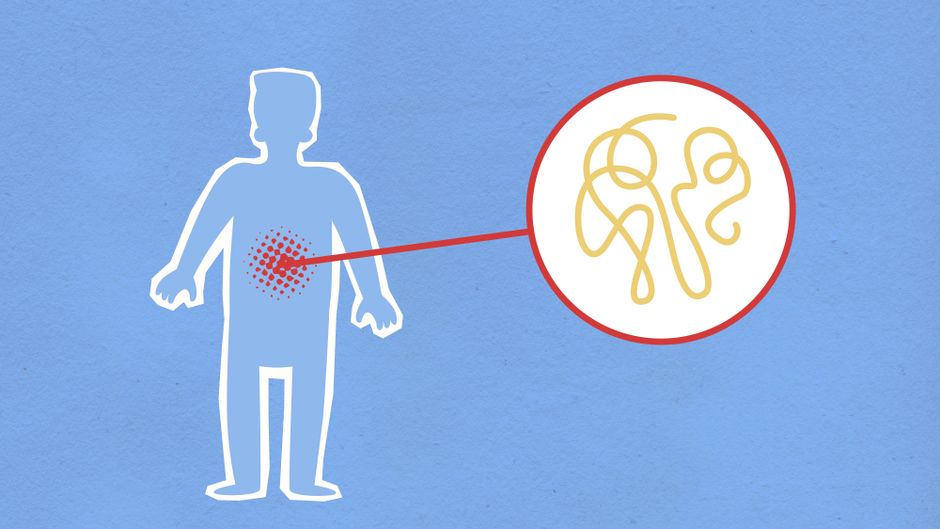
Everyone passes gas. Most people do it 13 to 21 times a day. But when it becomes constant, painful, or embarrassing, you start to wonder what is going on inside your body. The short answer is that gas builds up in your digestive tract from two main sources: the air you swallow and the byproducts of bacteria breaking down food in your large intestine. When that gas has nowhere to go, it stretches your intestinal walls, which causes pressure, bloating, and discomfort. Understanding exactly why you have so much gas in your stomach comes down to looking at what you eat, how you eat, and how your individual digestive system handles certain foods.
Why Do You Have So Much Gas In Your Stomach? The Basic Mechanics
Gas in your digestive system is not a malfunction. It is a normal byproduct of digestion. When you swallow food and drink, you also swallow small amounts of air. This air travels down your esophagus and into your stomach. Most of it comes back up as a burp. The rest moves down into your intestines.
The larger source of gas happens lower down. Your small intestine absorbs most of the nutrients from your food. Whatever is left — fiber, starches, sugars that were not fully digested — moves into your large intestine. There, trillions of bacteria ferment these leftovers. Fermentation produces gas. Hydrogen, methane, and carbon dioxide are the main gases produced. The amount of gas you produce depends on how much fermentable material reaches your colon and how active your gut bacteria are at breaking it down.
The gas needs to exit. It either comes out as a burp from your stomach or as flatulence from your rectum. If you are producing more gas than usual, it means either more air is getting into your system, or more food is reaching your colon undigested, or your gut bacteria are producing more gas from that food.
What Foods Cause the Most Gas?
Certain foods are famous for causing gas. These foods contain carbohydrates that your small intestine cannot fully break down. Instead of being absorbed, they travel to your colon intact. The bacteria there feast on them, and gas is the result.
Beans and legumes are at the top of the list. They contain raffinose, a complex sugar that humans lack the enzyme to digest. Cruciferous vegetables like broccoli, cauliflower, cabbage, and Brussels sprouts contain sulfur compounds and complex carbohydrates that produce gas — and sometimes particularly smelly gas. Onions and garlic contain fructans, which are chains of fructose molecules that many people struggle to digest completely.
Dairy products cause gas in people who are lactose intolerant. Lactose is a sugar in milk. If your body does not produce enough lactase, the enzyme needed to split lactose apart, the undigested lactose ferments in your colon. This produces gas, bloating, and often diarrhea. Lactose intolerance is extremely common in adults, affecting an estimated 68 percent of the world’s population to some degree.
Artificial sweeteners deserve special attention. Sugar alcohols like sorbitol, mannitol, and xylitol are poorly absorbed by the small intestine. They are common in sugar-free gum, candies, and diet foods. Even small amounts can cause significant gas in sensitive people. Some research suggests that sugar alcohols can draw water into the colon and feed gas-producing bacteria at the same time.
Carbonated drinks deliver gas directly. The bubbles in soda, beer, and sparkling water are carbon dioxide. When you drink them, you swallow that gas. Some of it escapes as burps. The rest travels through your digestive tract and exits as flatulence.
Why Do You Swallow So Much Air?
Swallowed air is a bigger contributor to gas than many people realize. The medical term is aerophagia. It happens when you eat too quickly, talk while chewing, or drink through a straw. Each of these actions pulls extra air into your stomach alongside your food.
Chewing gum and sucking on hard candy cause you to swallow air repeatedly. So does smoking. If you wear loose dentures, you may swallow more air while eating. Drinking carbonated beverages adds gas directly to your stomach. Some of this air comes back up as burping. The rest moves down into the intestines, where it adds to the overall gas volume.
Eating while stressed or distracted can make this worse. When you rush through a meal, you are more likely to take larger bites, chew less, and swallow more air. Eating slowly and chewing food thoroughly before swallowing reduces the amount of air you take in with each bite.





The Role of Your Gut Bacteria
Your large intestine hosts a complex community of bacteria, fungi, and other microbes. This is your gut microbiome. These organisms are essential for health. They help digest certain fibers, produce vitamins, and support your immune system. But they also produce gas as a metabolic byproduct.
The composition of your gut bacteria varies from person to person. Some people naturally host more gas-producing species. Others have bacteria that produce more methane, which is associated with slower gut transit and more bloating. This is why two people can eat the exact same meal and have completely different gas responses.
Antibiotics can temporarily change your gut bacteria composition. When you take antibiotics, they kill off both harmful and beneficial bacteria. This disruption can lead to temporary changes in gas production. Some research suggests that after a course of antibiotics, your gut may harbor more gas-producing bacteria for weeks while the community rebalances.
Certain medical conditions can also shift your gut bacteria in ways that increase gas. Irritable bowel syndrome, or IBS, is associated with altered gut motility and increased sensitivity to gas. People with IBS often produce normal amounts of gas but feel more pain and bloating from it. Small intestinal bacterial overgrowth, known as SIBO, is a condition where bacteria that normally live in the colon migrate up into the small intestine. There, they ferment food earlier in the digestive process, which can cause significant gas and bloating.
When Is Gas a Sign of Something More Serious?
Gas is normal. But sometimes it is a symptom of an underlying condition that needs medical attention. The key is to pay attention to what comes along with the gas.
Celiac disease is an autoimmune condition where eating gluten damages the small intestine. Gas and bloating are common symptoms, along with diarrhea, fatigue, and weight loss. If you consistently get gas after eating wheat, barley, or rye, celiac disease is worth discussing with your doctor.
Inflammatory bowel disease, which includes Crohn’s disease and ulcerative colitis, causes inflammation in the digestive tract. Gas and bloating can occur, but they are usually accompanied by more serious symptoms like abdominal pain, bloody stools, and unintended weight loss.
Pancreatic insufficiency means your pancreas does not produce enough digestive enzymes. Without these enzymes, your body cannot break down fats and other nutrients properly. Undigested food reaches the colon, where it ferments and produces gas. This condition is often accompanied by greasy, foul-smelling stools.
See a doctor if your gas is accompanied by severe abdominal pain, persistent diarrhea or constipation, blood in your stool, unexplained weight loss, or a change in your bowel habits that lasts more than a few weeks. These symptoms warrant a proper evaluation. Do not assume they are just gas.
What Actually Helps Reduce Gas?
Dietary changes are the most effective way to reduce gas. The first step is to identify which foods trigger your symptoms. Keep a food diary for a week or two. Write down everything you eat and note when gas and bloating occur. Patterns often emerge quickly.
Over-the-counter products can help in specific situations. Simethicone, found in products like Gas-X, works by breaking up gas bubbles in your digestive tract so they can pass more easily. It does not reduce gas production. It just makes existing gas less uncomfortable. Beano contains an enzyme called alpha-galactosidase that helps break down the complex sugars in beans and some vegetables before they reach your colon. Lactase supplements like Lactaid can help people with lactose intolerance digest dairy products.
Probiotics are a topic of active research. Some studies suggest that certain probiotic strains can reduce gas and bloating in people with IBS. The evidence is not strong enough to recommend a specific strain or dose for everyone. If you want to try probiotics, choose a product that lists the specific strains and take it consistently for several weeks to see if it helps. The evidence here is limited, and results vary significantly between individuals.
Peppermint oil capsules have shown some benefit in clinical trials for reducing bloating and abdominal pain, particularly in people with IBS. Peppermint oil relaxes the smooth muscle of the digestive tract, which may help gas move through more easily. Enteric-coated capsules are important so the oil is not released too early in the stomach, which can cause heartburn.
Physical activity helps move gas through your system. Even a short walk after a meal can stimulate intestinal contractions and relieve trapped gas. Gentle yoga poses that involve twisting or bringing your knees to your chest can also help release gas.
Do not use activated charcoal for gas. Despite marketing claims, no quality clinical evidence confirms that activated charcoal effectively reduces gas or bloating. It is not a reliable treatment.
How to Prevent Gas Before It Starts
Prevention is more effective than treatment. Eating slowly and chewing food thoroughly is the simplest change you can make. When you chew food completely, you break it into smaller pieces that are easier to digest. You also swallow less air.
Drinking fluids at room temperature, not ice cold, may help. Cold beverages can slow gastric emptying, which means food stays in your stomach longer and has more time to produce gas. This is not a strongly established finding, but many people report less gas when they avoid very cold drinks with meals.
Regular physical activity supports healthy digestion. Exercise stimulates the natural contractions of your intestines, which helps move food and gas through your system more efficiently. A sedentary lifestyle is associated with slower gut transit and more bloating.
Managing stress matters more than most people think. The gut and brain are directly connected through the vagus nerve. Stress can slow digestion, alter gut motility, and increase sensitivity to gas. If you notice that your gas and bloating are worse during stressful periods, that is not a coincidence.
If dietary changes and lifestyle adjustments do not help after several weeks, talk to your doctor. There may be an underlying condition that needs proper diagnosis and treatment. Do not self-diagnose and do not rely on unproven supplements or restrictive elimination diets without medical supervision.
Frequently Asked Questions
Why do I have gas even when I do not eat beans or broccoli?
Gas can come from many sources beyond the obvious gas-producing foods, including swallowed air, dairy if you are lactose intolerant, sugar alcohols in gum and diet foods, and even stress-related changes in digestion.
Is it normal to pass gas more than 20 times a day?
Passing gas 13 to 21 times per day is considered normal for most healthy adults. If you are consistently above that range and it causes discomfort, it is worth looking at your diet and eating habits.
Can probiotics make gas worse?
Yes, probiotics can temporarily increase gas in some people. When you first introduce beneficial bacteria, they begin fermenting fiber in your colon, which produces gas. This often settles down after a week or two as your gut adjusts.
When should I see a doctor about gas?
See a doctor if gas is accompanied by severe abdominal pain, blood in your stool, unexplained weight loss, persistent diarrhea or constipation, or symptoms that last longer than a few weeks despite dietary changes.
