
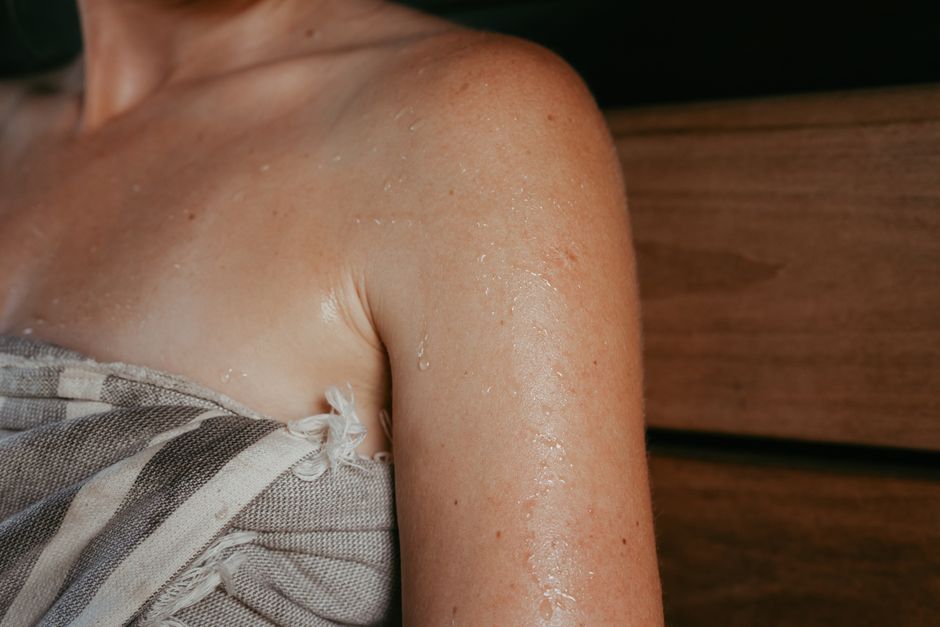
Sweat is your body’s built-in cooling system, and it runs whether you are exercising, sitting in a hot room, or feeling anxious about a deadline. The average person has 2 to 4 million sweat glands, and they serve different purposes depending on where they are and what triggers them. Understanding how sweating works — and how stress and skin care affect it — helps you make better decisions about everything from deodorant to hydration.
What Is Sweat and Why Does Your Body Produce It?
Sweat is mostly water with small amounts of dissolved salts, urea, and other compounds. It comes from two types of glands in your skin, and they do not work the same way.
Eccrine glands are the most common. They are found across nearly your entire body but concentrate on your palms, soles, forehead, and underarms. These glands open directly onto the skin surface and produce a thin, watery sweat. Their main job is thermoregulation — keeping your core temperature within a safe range.
Apocrine glands are larger and located mainly in the armpits and groin. They become active after puberty and release a thicker fluid into hair follicles rather than directly onto the skin. This fluid itself has little odor. The smell people associate with body odor comes from bacteria on the skin breaking down compounds in apocrine sweat.
When your internal temperature rises, your nervous system signals eccrine glands to release sweat. As that sweat evaporates, it pulls heat away from your skin. This process is remarkably efficient — under normal conditions, sweating can remove a significant amount of heat from your body, though the exact rate depends on humidity, airflow, and how much skin is exposed.
One detail worth knowing: sweat itself is not the problem when it comes to odor. Fresh sweat is nearly odorless. It is the interaction between sweat and skin bacteria that creates smell.
Why Do We Sweat When Stressed or Anxious?
Emotional sweating is a real physiological response, distinct from heat sweating. When you feel stressed, your body releases adrenaline and activates what is often called the fight-or-flight response. Part of that response includes triggering your sweat glands — particularly the apocrine glands and the eccrine glands on your palms, soles, and forehead.
This type of sweat tends to be different from heat sweat. It often comes on suddenly, concentrates in specific areas, and may feel thicker or stickier. Researchers believe this response evolved as a way to keep your grip secure and your feet ready to move in threatening situations.
The connection between stress and sweating goes both ways. Stress triggers sweating, and worrying about sweating can trigger more stress — which produces more sweat. For people with a condition called hyperhidrosis, this cycle can be genuinely disruptive. Hyperhidrosis is a medical condition marked by sweating that exceeds what is needed for temperature regulation. It affects an estimated 4.8% of Americans, according to research published in the Journal of the American Academy of Dermatology.
Common emotional triggers for sweating include:
- Public speaking or social situations
- Anxiety or panic
- Anger or frustration
- Fear or anticipation of something unpleasant
- Embarrassment
If stress sweating interferes with daily life, it is worth discussing with a healthcare provider. Several treatment approaches exist, ranging from clinical-strength antiperspirants to prescription medications and procedures, though response varies by individual.
How Does Sweat Affect Your Skin?
Sweat plays a complicated role in skin health. On one hand, it helps maintain your skin’s acid mantle — the slightly acidic film on the surface that discourages harmful bacteria. Sweat also contains antimicrobial peptides that provide some defense against pathogens.
On the other hand, when sweat sits on skin for extended periods, it can cause problems. The moisture softens the outer layer of skin, making it more vulnerable to irritation and infection. Combined with friction and warmth, trapped sweat creates conditions where bacteria and fungi can overgrow.
Common skin issues linked to sweat include:
- Heat rash (miliaria) — blocked sweat ducts cause small, itchy bumps
- Fungal infections — such as athlete’s foot and jock itch, which thrive in warm, moist environments
- Bacterial folliculitis — inflammation of hair follicles, sometimes triggered by sweat and friction
- Acne mechanica — acne worsened by pressure, friction, and sweat, often seen in people who wear tight athletic gear
People with eczema or psoriasis may notice their skin reacts to sweat. For some, sweating makes symptoms worse. For others, it does not seem to have a clear effect. The relationship is individual.
Showering after heavy sweating and changing out of damp clothing are straightforward steps that reduce the risk of most sweat-related skin issues. This is not a marketing claim — it is basic hygiene that dermatologists have recommended for decades.





Does Antiperspirant or Deodorant Harm Your Skin?
Antiperspirants and deodorants work differently, and neither has been shown to cause harm in people with normal skin.
Deodorants target odor. They typically contain antimicrobial ingredients that reduce the bacteria responsible for smell, or they mask odor with fragrance. They do not stop sweating.
Antiperspirants reduce sweating. Most contain aluminum-based compounds that temporarily plug sweat ducts. This is not dangerous — it is a localized, reversible effect. The aluminum salts form a temporary physical block at the top of the duct, and the effect wears off as skin cells naturally turn over.
Concerns about aluminum in antiperspirants causing breast cancer or Alzheimer’s disease have been widely circulated. The evidence does not support these claims. Major health organizations, including the National Cancer Institute and the Alzheimer’s Association, have stated that no convincing evidence links antiperspirant use to either condition.
That said, some people with sensitive skin may experience irritation from certain ingredients — fragrance, preservatives, or the aluminum compounds themselves. If you develop a rash or persistent irritation, switching to a fragrance-free or aluminum-free product may help. A dermatologist can help identify the specific trigger.
One practical note: applying antiperspirant at night is often more effective than applying it in the morning. Sweat glands are less active while you sleep, giving the active ingredients time to form their plugs. This is a commonly recommended approach, though individual results vary.
How Can You Manage Sweating and Protect Your Skin?
Managing sweat is not about eliminating it — that would be both impossible and unwise. The goal is to stay comfortable and reduce the chances of skin problems.
Practical steps that align with general medical guidance include:
- Choose lightweight, breathable fabrics like cotton or moisture-wicking synthetics
- Shower soon after heavy sweating, especially if you are prone to breakouts or rashes
- Keep skin folds clean and dry — areas like underarms, groin, and under breasts
- Use an antiperspirant or deodorant that suits your skin type
- Stay hydrated, especially in heat or during exercise
- Avoid tight clothing that traps moisture against the skin
If you sweat excessively — more than seems normal for the temperature or activity level — or if sweating disrupts your sleep, work, or social life, that is worth a medical evaluation. Hyperhidrosis is treatable, and so are many of the skin conditions that accompany heavy sweating.
There is no single approach that works for everyone. What matters is paying attention to your own patterns and seeking help when something feels off.
When Should You See a Doctor About Sweating?
Most sweating is normal. But certain patterns warrant a medical visit.
Talk to a healthcare provider if you experience:
- Night sweats that soak your sheets or clothing
- Sweating much more than expected for the situation
- Sweating that started suddenly without an obvious cause
- Sweating accompanied by fever, weight loss, or chest pain
- Sweating that interferes with daily activities or causes significant distress
These signs can point to underlying conditions — including thyroid disorders, infections, low blood sugar, or other medical issues — that a doctor can evaluate. This is not about scaring anyone. It is about recognizing when normal physiology crosses into something that deserves attention.
Sweating is a normal, necessary function. It cools you down, responds to stress, and interacts with your skin in ways that are mostly beneficial but sometimes problematic. Understanding the basics helps you take better care of yourself without falling for myths or unnecessary worry.
Frequently Asked Questions
Why do I sweat when I’m nervous?
Stress triggers adrenaline, which activates sweat glands — especially those on your palms, soles, and underarms. This is a normal fight-or-flight response, not a sign of a medical problem.
Does sweating cause body odor?
Fresh sweat is nearly odorless. Body odor develops when skin bacteria break down compounds in sweat, particularly from apocrine glands in the armpits and groin.
Is antiperspirant safe to use every day?
Yes. Antiperspirants containing aluminum compounds have been used for decades, and major health organizations have found no convincing evidence linking them to breast cancer or Alzheimer’s disease. Some people with sensitive skin may need to switch products if irritation occurs.
Can stress cause excessive sweating?
Yes. Emotional stress can trigger sweating that feels more intense than heat-related sweating. If it interferes with daily life, a doctor can evaluate whether hyperhidrosis or another condition is involved.
