
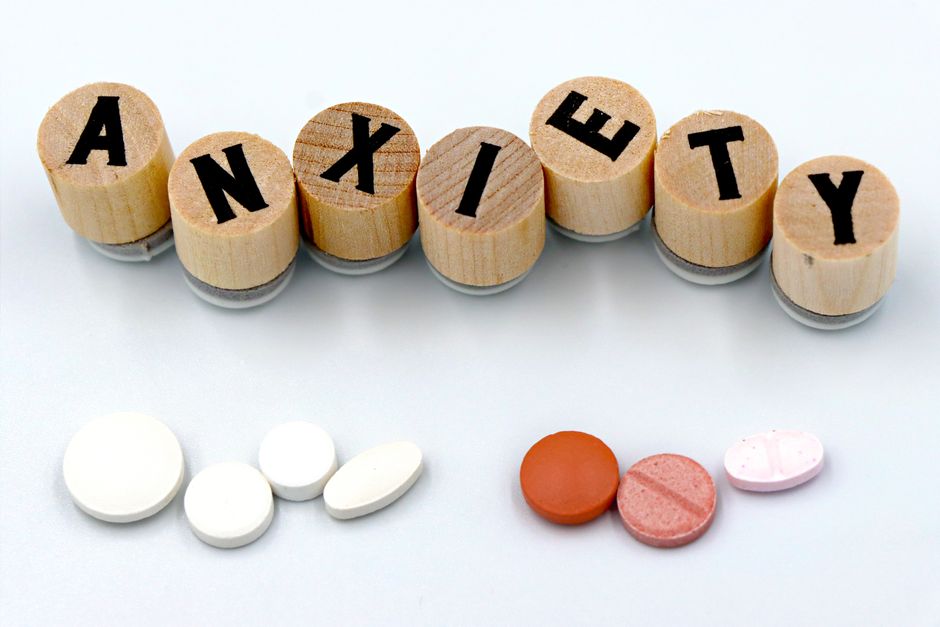
Anxiety is not a flaw in your brain. It is a system that evolved to keep you alive, and it works the same way today as it did when a rustle in the grass could mean a predator. The difference is that most of us no longer face predators. We face deadlines, bills, and social pressure. The same alarm system fires anyway. When that alarm gets stuck on, or fires too often and too hard, it stops being a survival tool and becomes a disorder.
Why Do We Have Anxiety From Survival Tool To Disorder?
Anxiety becomes a disorder when the fear response is out of proportion to the actual threat, persists when no threat is present, and interferes with daily life. That is the core distinction. A survival tool protects you. A disorder limits you.
The brain does not have a separate system for “real” threats and “imagined” ones. The amygdala, a small almond-shaped structure deep in the brain, responds to perceived danger whether it comes from a charging dog or a harsh email from your boss. It cannot tell the difference in the moment. It just triggers the cascade.
That cascade is useful when you need to react fast. Your heart rate climbs. Breathing speeds up. Blood shifts toward your muscles. Glucose floods your bloodstream for quick energy. Digestion slows. You are primed to fight, freeze, or run. This is the fight-or-flight response, and it is well documented in physiology.
The problem is that this response was designed to be brief. It was meant to switch on, handle the threat, and switch off. In modern life, the threats are often ongoing. Financial stress does not end in five minutes. Relationship problems do not resolve in one burst of adrenaline. So the system stays activated, sometimes for weeks or months. That prolonged activation is where the trouble starts.
What Happens in the Brain During Anxiety?
The amygdala is the alarm. The prefrontal cortex is the brake. In a well-regulated system, the prefrontal cortex assesses the situation and tells the amygdala to stand down when the threat is not real. In anxiety disorders, that brake is weaker than it should be.
Brain imaging studies have found that people with anxiety disorders often show heightened amygdala activity and reduced prefrontal control. The alarm is louder, and the brake is softer. This does not mean the brain is damaged. It means the balance between threat detection and threat assessment is off.
There is also a chemical side. Neurotransmitters like serotonin, norepinephrine, and gamma-aminobutyric acid (GABA) all play roles in regulating mood and fear. GABA is the main inhibitory neurotransmitter in the brain. It slows things down. When GABA signaling is low, the brain is more excitable, and anxiety is more likely to spiral.
This is why some anti-anxiety medications target GABA receptors. They enhance the brain’s natural braking system. But medication is not the only lever. The brain is not static. It can change with experience, a property called neuroplasticity. Therapy, sleep, exercise, and stress management can all influence how the system behaves over time.
When Does Normal Anxiety Cross Into a Disorder?
Everyone feels anxious sometimes. That is normal. Anxiety becomes a clinical concern when it meets specific criteria that clinicians use to distinguish everyday worry from a diagnosable condition.
The key markers are intensity, duration, and impairment. If anxiety is intense enough to cause significant distress, lasts for months rather than days, and interferes with work, relationships, or daily functioning, it may meet the threshold for a disorder.
Anxiety disorders are not one thing. They are a group of conditions that share features but differ in what triggers them and how they show up.
- Generalized anxiety disorder (GAD): Persistent, excessive worry about many areas of life, present more days than not for at least six months.
- Panic disorder: Recurrent unexpected panic attacks, plus ongoing fear of having another one.
- Social anxiety disorder: Intense fear of social situations where you might be judged or embarrassed.
- Specific phobias: Intense fear of a particular object or situation, such as heights, flying, or needles.
- Agoraphobia: Fear of situations where escape might be difficult or help unavailable.
Each has its own diagnostic criteria. A mental health professional can tell the difference. Self-diagnosis is unreliable because anxiety symptoms overlap with many other conditions, including thyroid problems, heart conditions, and medication side effects.

Why Does the Alarm Get Stuck?
No single cause explains why one person’s anxiety system gets stuck while another’s does not. Research points to a mix of genetics, brain chemistry, life experience, and environment.
Genetics matter. Anxiety disorders tend to run in families. If a parent has an anxiety disorder, a child is more likely to develop one. But genetics are not destiny. Many people with a family history never develop a disorder, and many without one do.
Early life experiences shape how the stress system develops. Children who experience trauma, neglect, or chronic stress may develop a more reactive stress response. The brain learns that the world is unpredictable and dangerous, and it calibrates accordingly.
Ongoing stress plays a role too. Chronic work stress, financial insecurity, caregiving burden, or relationship conflict can keep the system activated long enough that it loses its ability to return to baseline. The alarm stops resetting.
Substance use can also contribute. Caffeine, alcohol, and some recreational drugs can trigger or worsen anxiety. Caffeine is a common culprit. It stimulates the same systems that produce anxiety symptoms, and for some people, it pushes them over the edge.
What Does Anxiety Actually Feel Like in the Body?
Anxiety is not just a mental experience. It shows up in the body, often before you consciously realize you are anxious.
Common physical symptoms include a racing heart, tight chest, shortness of breath, dizziness, sweating, trembling, muscle tension, stomach upset, and fatigue. These are not imaginary. They are real physiological changes driven by the stress response.
This is why anxiety can be mistaken for a heart attack or a medical emergency. Chest pain and shortness of breath are common in panic attacks. Many people go to the emergency room thinking something is wrong with their heart, only to be told it is anxiety.
The mental and emotional symptoms are just as real. Persistent worry, difficulty concentrating, irritability, sleep problems, and a sense of dread or impending doom are all part of the picture. Some people describe it as a constant hum of tension in the background of their lives.
Can Anxiety Be Treated?
Yes. Anxiety disorders are among the most treatable mental health conditions. The evidence for treatment is strong and consistent.
Cognitive behavioral therapy (CBT) is the most studied psychological treatment for anxiety disorders. It helps people identify and change the thought patterns and behaviors that feed anxiety. Research consistently shows it is effective for many people, and the benefits often last after treatment ends.
Medications can also help. Selective serotonin reuptake inhibitors (SSRIs) and serotonin-norepinephrine reuptake inhibitors (SNRIs) are commonly prescribed. Benzodiazepines may be used short-term for acute anxiety, but they carry a risk of dependence and are generally not recommended for long-term use.
Lifestyle factors matter too. Regular physical activity, adequate sleep, and reducing caffeine and alcohol can all help regulate the stress response. These are not cures on their own, but they support the overall system.
What works for one person may not work for another. Treatment often involves a combination of approaches, and finding the right fit can take time. A qualified mental health professional can help tailor a plan.
Why Does Anxiety Feel Worse at Night?
Many people find their anxiety peaks at night. There are several reasons for this.
During the day, distractions keep the mind occupied. At night, those distractions disappear. The brain has more space to ruminate, and worries that seemed manageable in daylight can feel overwhelming in the dark.
Fatigue also plays a role. When you are tired, your ability to regulate emotions is weaker. The prefrontal cortex, which helps keep anxiety in check, does not function as well when you are sleep-deprived. So the alarm is louder, and the brake is weaker.
The quiet of night can also make physical symptoms more noticeable. A racing heart or tight chest that you might not notice during a busy day becomes impossible to ignore when you are lying still in a dark room.
When Should You Seek Help?
If anxiety is interfering with your life, it is worth talking to a professional. You do not need to wait until things are unbearable.
Signs it may be time to seek support include:
- Worry that feels uncontrollable or lasts for months
- Avoiding situations because of anxiety
- Physical symptoms that disrupt your day
- Sleep problems related to worry
- Using alcohol or drugs to cope
- Feeling like anxiety is holding you back from things you want to do
Anxiety disorders are common. They are not a sign of weakness or a character flaw. They are a medical condition, and they respond to treatment.
If you are in crisis or having thoughts of harming yourself, reach out immediately. In the US, you can call or text 988 to reach the Suicide and Crisis Lifeline.
Frequently Asked Questions
Is anxiety always a bad thing?
No. Anxiety is a normal and useful response to threat. It becomes a problem only when it is out of proportion, persistent, and interferes with daily life.
Can anxiety go away on its own?
Mild, situational anxiety often resolves on its own as circumstances change. Anxiety disorders are less likely to resolve without treatment, though symptoms can fluctuate over time.
What is the difference between anxiety and an anxiety disorder?
Anxiety is a normal emotion that everyone experiences. An anxiety disorder is a clinical diagnosis based on specific criteria for intensity, duration, and impairment.
Does everyone with anxiety need medication?
No. Many people manage anxiety effectively with therapy, lifestyle changes, or a combination. Medication is one option among several, not a requirement.
