
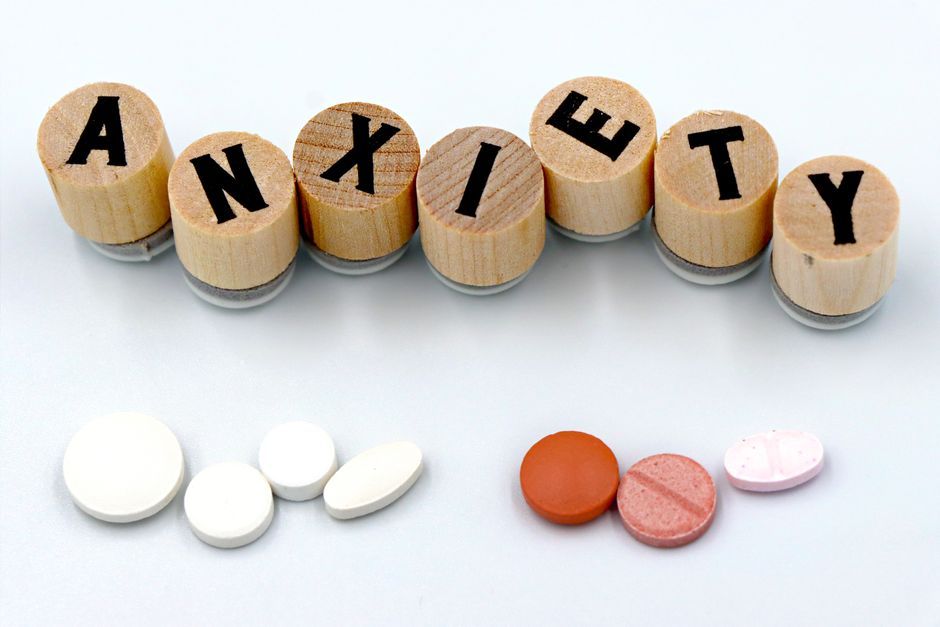
Anxiety disorder is not cured with a single pill or a single technique, but it is highly treatable. The most effective path combines professional treatment—primarily psychotherapy, medication, or both—with consistent lifestyle changes. Most people see meaningful improvement within weeks to months when they follow a structured treatment plan, though the exact timeline varies from person to person.
What Does It Mean to Cure an Anxiety Disorder?
The word “cure” needs clarification. For most people with an anxiety disorder, the goal is not to erase every anxious feeling forever. Anxiety is a normal human emotion that everyone experiences. The goal is to stop anxiety from controlling your daily life.
Treatment success usually means your symptoms drop below the threshold for a clinical diagnosis. You might still feel nervous before a big presentation or worried about a family member’s health. The difference is that these feelings no longer stop you from living normally.
Some people do reach a point where they no longer meet the criteria for an anxiety disorder. Others manage their symptoms well enough that anxiety becomes a minor background issue rather than a daily struggle. Both outcomes count as successful treatment.
What Are the Main Types of Anxiety Disorders?
Anxiety disorders are not one single condition. They share common features but differ in important ways that affect treatment.
- Generalized anxiety disorder involves excessive worry about many everyday things—work, health, family, money—that is hard to control.
- Panic disorder involves sudden, intense panic attacks along with fear of having more attacks.
- Social anxiety disorder is intense fear of being judged or embarrassed in social situations.
- Specific phobias are intense fears of particular objects or situations, like heights, spiders, or flying.
- Agoraphobia involves fear of situations where escape might be difficult or help unavailable.
Each type responds to similar core treatments, but the approach is tailored to the specific symptoms. A thorough evaluation by a mental health professional is the first step to knowing which type you are dealing with.
How To Cure Anxiety Disorder with Therapy
Cognitive behavioral therapy (CBT) is the most researched and effective form of psychotherapy for anxiety disorders. Studies consistently show that a large majority of people who complete CBT experience significant symptom reduction.
CBT works by addressing two connected problems: unhelpful thought patterns and avoidance behaviors. Your therapist helps you identify thoughts that fuel anxiety—like assuming the worst will happen—and teaches you to test whether those thoughts are accurate. You also gradually face feared situations instead of avoiding them, which is called exposure therapy.
Exposure therapy works through a process called habituation. When you stay in a feared situation long enough without the bad outcome happening, your brain learns that the situation is not as dangerous as it predicted. This learning happens at a biological level, not just a conscious one.
Therapy is not quick. Typical CBT treatment lasts 12 to 20 sessions, though some people need more. The skills you learn are meant to last a lifetime, which is why CBT is considered a first-line treatment rather than a temporary fix.
Other therapy approaches also have evidence behind them. Acceptance and commitment therapy (ACT) focuses on accepting anxious thoughts without letting them dictate behavior. Dialectical behavior therapy (DBT) teaches distress tolerance and emotional regulation skills. These are reasonable alternatives, though CBT has the largest research base.




What Medications Are Used for Anxiety Disorders?
Medication can be highly effective, especially for moderate to severe symptoms. It is often combined with therapy for the best results.
Selective serotonin reuptake inhibitors (SSRIs) are usually the first medication prescribed. These include drugs like sertraline, fluoxetine, and escitalopram. They work by increasing serotonin activity in the brain, which helps regulate mood and anxiety. SSRIs take two to six weeks to show effects and must be taken daily.
Serotonin-norepinephrine reuptake inhibitors (SNRIs) like venlafaxine and duloxetine are another option. They affect both serotonin and norepinephrine. Like SSRIs, they take weeks to work and are taken daily.
Benzodiazepines like alprazolam and lorazepam work quickly, often within 30 minutes. They are used for short-term relief or during panic attacks. They are not recommended for long-term use because they can cause dependence and tolerance. Some clinicians prescribe them briefly while waiting for an SSRI to take effect.
Buspirone is a non-addictive medication used specifically for generalized anxiety disorder. It takes several weeks to work and is not effective for panic attacks.
Medication decisions should always be made with a psychiatrist or prescribing clinician. Finding the right medication sometimes takes trial and error. It is common to try one or two options before finding the best fit.
How To Cure Anxiety Disorder with Lifestyle Changes
Lifestyle changes alone rarely cure an anxiety disorder, but they create the foundation that makes treatment work better. Think of them as supporting players, not the main treatment.
Regular aerobic exercise has solid evidence for reducing anxiety symptoms. Exercise increases endorphins, reduces stress hormones, and provides a natural outlet for nervous energy. Aim for at least 150 minutes of moderate activity per week, which aligns with general health guidelines.
Sleep and anxiety have a two-way relationship. Poor sleep increases anxiety, and anxiety disrupts sleep. Addressing sleep problems—like maintaining a consistent schedule and limiting caffeine—can meaningfully reduce anxiety symptoms.
Caffeine is worth reviewing. It is a stimulant that activates the same nervous system pathways involved in anxiety. For some people, cutting back or eliminating caffeine noticeably reduces symptoms. The effect varies widely between individuals.
Alcohol is a common self-medication for anxiety, but it backfires. Alcohol initially feels calming, but as it leaves your system, anxiety often rebounds stronger. Regular alcohol use can also interfere with sleep quality and medication effectiveness.
What Role Do Breathing Techniques and Mindfulness Play?
Breathing techniques and mindfulness do not cure anxiety disorders on their own, but they are valuable tools for managing acute symptoms.
When you feel anxious, your body activates the sympathetic nervous system—the fight-or-flight response. Your breathing becomes rapid and shallow, which can trigger dizziness and chest tightness that feel alarming. Slow breathing activates the parasympathetic nervous system, which is the body’s rest-and-digest system.
A common technique is slow, diaphragmatic breathing. Breathe in through your nose for four counts, then exhale slowly through your mouth for six counts. The longer exhale is what signals your nervous system to calm down.
Mindfulness involves noticing your thoughts and physical sensations without judging them as good or bad. It helps you observe anxious thoughts as mental events rather than facts. Mindfulness-based stress reduction (MBSR) programs have shown moderate benefits for anxiety in research studies.
These techniques are most useful when practiced regularly, not just during moments of high anxiety. Regular practice builds the skill so it is available when you need it.
When Should You Seek Professional Help?
If anxiety interferes with work, relationships, sleep, or your ability to enjoy life, professional help is warranted. You do not need to hit a crisis point before seeking support.
Your first appointment might be with your primary care doctor or directly with a mental health professional. A psychiatrist can prescribe medication and provide therapy. A psychologist or licensed therapist can provide therapy but cannot prescribe medication in most states.
Severe symptoms warrant faster action. If you have thoughts of harming yourself or feel unable to function, contact a crisis line or go to an emergency department. These are signs that immediate professional support is needed.
How Long Does Treatment Take?
There is no universal timeline, but some general patterns exist. With therapy alone, noticeable improvement often appears within four to eight weeks. With medication, initial effects typically appear within two to six weeks, with full benefits by eight to twelve weeks.
Some people feel significantly better within a few months. Others need six months to a year of consistent treatment. A small percentage of people continue to experience symptoms despite trying multiple treatments, which is called treatment-resistant anxiety.
Recovery is not always a straight line. Setbacks happen during stressful life events. This does not mean treatment failed. It means you need to continue using the skills you learned, and sometimes adjust the treatment plan.
Anxiety disorders are among the most treatable mental health conditions. The challenge is not that treatment does not work. The challenge is that many people wait years before seeking help. Earlier treatment generally leads to faster and more complete recovery.
Frequently Asked Questions
Can anxiety disorder go away without treatment?
Some people experience symptom reduction without formal treatment, but the evidence is not strong enough to recommend waiting. Anxiety disorders tend to persist or worsen over time when untreated, and professional treatment offers the most reliable path to improvement.
What is the fastest way to cure anxiety disorder?
There is no fast cure, but combining weekly cognitive behavioral therapy with an SSRI medication offers the strongest evidence for symptom reduction within the first few months. Benzodiazepines provide immediate relief but are only a short-term solution due to dependence risk.
Is anxiety disorder a lifelong condition?
Many people recover fully or reach a point where symptoms no longer meet diagnostic criteria. Others manage anxiety as a chronic condition, similar to how people manage high blood pressure. Both outcomes are possible, and treatment significantly improves the odds of the first outcome.
Are natural remedies effective for anxiety disorder?
Exercise, adequate sleep, and reduced caffeine intake have evidence behind them as supportive measures. Herbal supplements like kava and valerian root have limited and mixed evidence, and some interact with medications. No natural remedy has been proven to cure an anxiety disorder on its own.
