
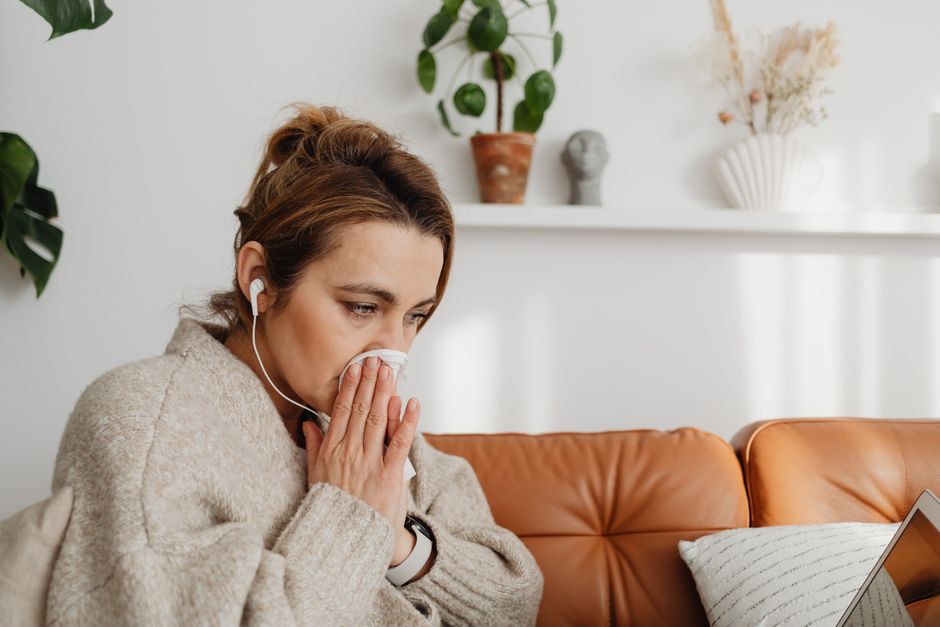
A sneeze feels good because it is a sudden, forceful release of built-up pressure. Your body rapidly expels air, clearing irritants from your nose, and that release triggers a wave of muscle tension and relaxation. The sensation of relief is your nervous system resetting after a brief, intense spike in activity.
What Actually Happens in Your Body When You Sneeze?
A sneeze is a reflex. It is not something you control. It starts when something irritates the lining of your nose. That could be dust, pollen, pepper, or even a sudden change in temperature.
Sensory nerves in your nasal passages send a signal to your brainstem. The brainstem does not ask for your opinion. It immediately sends signals to your chest muscles, your diaphragm, your abdomen, and your vocal cords. Your eyes close. Your chest tightens. Your throat prepares to force everything upward.
The pressure builds for a split second, then releases. Air rushes out of your nose and mouth at high speed. That whole process happens in under a second.
Why Do Sneezes Feel Good?
The good feeling comes from the release of that pressure. Your muscles tense hard during the build-up phase. When the sneeze finally fires, those muscles relax all at once. That sudden drop in tension is physically pleasant, similar to the relief you feel after a long stretch or a big yawn.
There is also a neurological component. The trigeminal nerve, which carries sensation from your face, is heavily involved in sneezing. When it fires, it stimulates a broad network of nerves. The end of that stimulation creates a calming effect. Some researchers describe it as a brief reset for your nervous system.
The pleasure is also tied to endorphins. Any intense physical event can trigger a small release of these natural feel-good chemicals. A sneeze is intense, fast, and over before you can think about it. That combination makes the relief feel disproportionate to the effort.
Why Does a Blocked Sneeze Feel So Bad?
You have probably tried to hold a sneeze in. Maybe in a meeting. Maybe in a quiet room. It does not feel good. There is a reason for that.
When you suppress a sneeze, you keep the pressure trapped. Your muscles stay tense. The signal from your brainstem is still active, but you are overriding it. This creates a state of physical conflict. Your body wants to release, but you are forcing it to hold.
That tension does not just disappear. It lingers. You may feel a dull ache in your chest or nose. You may feel dizzy. In rare cases, holding in a sneeze has caused injuries like ruptured eardrums or damaged blood vessels in the eyes. The relief you normally feel is delayed and replaced by discomfort.
Letting a sneeze happen naturally is the safest and most comfortable option. Your body knows what it is doing.




Why Do Some Sneezes Feel Better Than Others?
Not all sneezes are equal. Some are tiny and barely satisfying. Others are explosive and deeply relieving. The difference comes down to how much pressure builds before release.
A sneeze triggered by a mild tickle may not build much pressure. Your body clears the irritant quickly, and the release is small. A sneeze triggered by a stronger irritant, like a big cloud of dust, builds more pressure. The release is bigger, and the relief is more pronounced.
Your posture also matters. If you are sitting up straight, your diaphragm and chest muscles have more room to work. If you are lying down, the mechanics are different, and the sneeze may feel weaker. Some people also sneeze more forcefully when they are relaxed, because their muscles are not fighting the reflex.
There is also a phenomenon called a sneeze orgasm. Some people report a feeling of intense pleasure during or after a sneeze. This is not a sexual response. It is likely a combination of the endorphin release, the sudden muscle relaxation, and the nervous system reset happening all at once. It is not well-studied, but it is not rare either.
Can Sneezing Be Dangerous?
In normal circumstances, sneezing is safe. It is a protective reflex. It clears your airways and prevents irritants from reaching your lungs.
There are a few rare risks. Holding in a sneeze is the most documented one. The pressure has to go somewhere, and that can cause damage. Letting a sneeze out naturally is almost always fine.
People with certain conditions should be more careful. If you have a recent rib fracture, abdominal surgery, or a hernia, the force of a sneeze can strain those areas. If you have a condition that weakens blood vessels in the brain, the sudden spike in pressure could theoretically be a problem. These are rare situations. For most people, sneezing is nothing to worry about.
Why Do Some People Sneeze When They See Bright Light?
Some people sneeze when they step into bright sunlight. This is called the photic sneeze reflex. It is a real condition, and it runs in families.
The reflex is thought to be a cross-wiring in the brainstem. The signal from bright light and the signal from nasal irritation travel along the same nerve pathway. In some people, the light signal accidentally triggers the sneeze response.
Estimates suggest that roughly 18% to 35% of people have this reflex. It is harmless. If you have it, you may sneeze once or twice when you walk into the sun. It does not feel bad. In fact, many people describe it as satisfying.
Is It True That Your Heart Stops When You Sneeze?
No. Your heart does not stop when you sneeze. This is a common myth, but it is not accurate.
What actually happens is that your heart rhythm changes. The deep breath you take just before sneezing alters the pressure in your chest. This can briefly change the timing of your heartbeat. Some people feel a flutter or a pause. But the heart keeps beating. It does not stop.
The sensation of your heart skipping a beat during a sneeze is a normal response to the pressure changes. It is not a sign of heart trouble.
Can You Sneeze in Your Sleep?
Technically, no. The sneeze reflex requires a certain level of brain activity. During deep sleep, your brain suppresses most reflexes, including sneezing.
You may wake up and sneeze. But you do not sneeze while you are fully asleep. If you have allergies or nasal irritation, you may wake up enough to sneeze, then fall back asleep. The sneeze itself happens in a state of near-wakefulness.
Why Do Some People Sneeze After Eating?
Some people sneeze when they eat certain foods. This is called gustatory rhinitis. It is a reflex triggered by the taste, smell, or temperature of food.
Spicy foods are the most common trigger. The capsaicin in chili peppers irritates the same nasal nerves that respond to dust and pollen. The result is a sneeze or a runny nose.
For most people, this is harmless. It is not an allergy. It is just a nerve response. If it happens with every meal and bothers you, talk to a doctor. But for most people, it is a minor quirk, not a health problem.
When Should You See a Doctor About Sneezing?
Sneezing itself is not a reason to see a doctor. It is a normal reflex. But if sneezing is frequent, persistent, or interfering with your life, it may be worth investigating.
Frequent sneezing is most often caused by allergies. If you sneeze every morning or every time you go outside, you may have allergic rhinitis. Over-the-counter antihistamines can help. If they do not, a doctor can help identify the specific trigger.
If sneezing is accompanied by other symptoms, like facial pain, thick nasal discharge, or fever, it may indicate a sinus infection. That requires medical attention. If sneezing starts suddenly and is accompanied by hives, swelling, or difficulty breathing, seek emergency care. That could be a severe allergic reaction.
Frequently Asked Questions
Why does a sneeze feel so satisfying?
A sneeze releases built-up muscle tension and pressure all at once, which triggers a natural endorphin response. The sudden relaxation after intense tension creates the feeling of relief.
Is holding in a sneeze dangerous?
Holding in a sneeze can cause injuries like ruptured eardrums or damaged blood vessels in rare cases. It is safer to let a sneeze happen naturally.
Why do I sneeze when I look at the sun?
This is called the photic sneeze reflex, and it is a genetic trait. Bright light and nasal irritation share a nerve pathway, so the light can accidentally trigger a sneeze.
Does your heart stop when you sneeze?
No, your heart does not stop. The pressure changes from sneezing can briefly alter your heart rhythm, which may feel like a flutter, but the heart keeps beating.
