
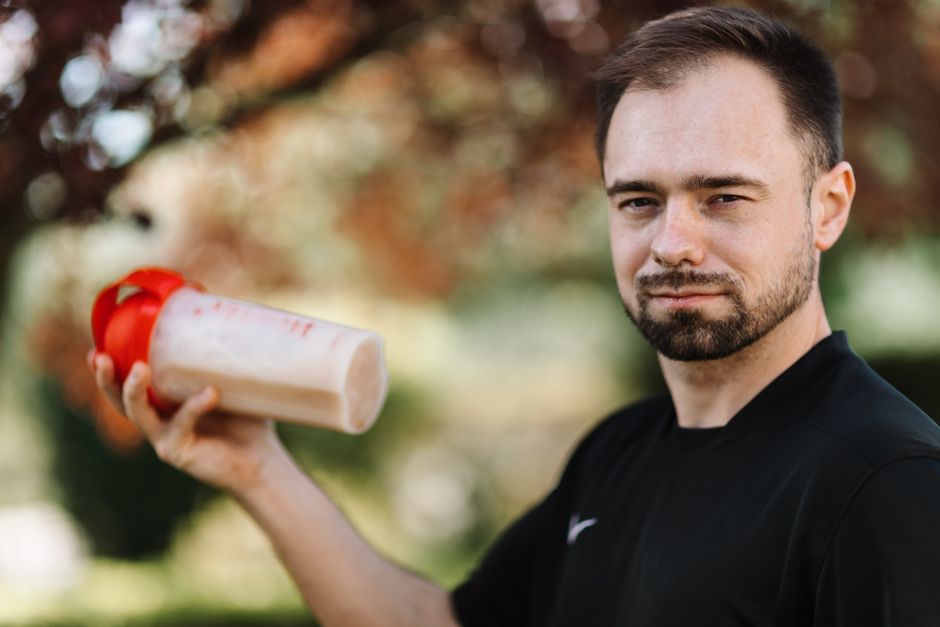
If you have ever picked up a protein shake and seen “not for weight reduction” on the label, you were probably confused. Isn’t protein supposed to help with weight loss? The answer comes down to regulation, not nutrition. That line is a legal disclaimer required because of how the product is classified, not a statement that protein has no role in body weight.
Why Do Protein Shakes Say Not For Weight Reduction?
The phrase exists because of how certain protein products are legally categorized. In the US, a product marketed for weight reduction is treated differently from a conventional food or a dietary supplement. If a company wants to claim its product helps with weight loss, it generally has to meet a higher regulatory bar than a standard protein powder does.
So manufacturers print the disclaimer to stay on the safe side. It signals that the product is being sold as food or a supplement, not as a weight-loss aid. The wording is about marketing and labeling rules, not about whether protein affects appetite or body composition.
This is a common source of confusion. People read “not for weight reduction” and assume it means the protein is somehow counterproductive for weight loss. That reading is not supported. The disclaimer is a legal shield, not a nutritional judgment.
What Does “Not For Weight Reduction” Actually Mean on a Label?
It means the product is not being marketed or regulated as a weight-loss product. That is the core of it. Different categories of products face different rules about what claims they can make.
A product positioned for weight loss often has to support that claim with evidence and follow specific labeling requirements. A protein powder sold as a supplement or food generally does not go through that same process. Rather than risk running afoul of the rules, companies add the disclaimer.
You will notice the phrase appears more often on certain types of products — meal replacements, some shakes marketed to specific groups, and products sold in certain regions. It is less about the protein itself and more about the paperwork behind it.
Think of it like the fine print on a supplement bottle that says the product is not intended to diagnose, treat, or cure any disease. That line does not mean the ingredient is useless. It means the company is not making a medical claim, because making one would trigger a different set of obligations.
Does Protein Help With Weight Loss at All?
Protein can support weight management, but the effect is modest and depends on the whole diet. Protein tends to be more filling than fat or carbohydrates, and it takes more energy to digest. Both of these can make it easier to eat less without feeling deprived. That is a real effect, but it is not a magic switch.
Research on high-protein diets and weight loss shows small advantages in some studies, often related to appetite and satiety rather than dramatic fat loss. The evidence is mixed and the differences are usually small. Protein is one piece of a larger picture.
Protein also helps preserve lean muscle during weight loss. When you eat fewer calories, some of the weight you lose can come from muscle. Adequate protein intake, combined with resistance training, can help reduce that muscle loss. This matters for how you look and feel, and for how well your body functions.
None of this means a protein shake will cause weight loss on its own. A shake is just a convenient way to get protein. If it replaces a higher-calorie snack, it might help. If you add it on top of everything else you eat, it will not.
Is Protein Powder Regulated Differently From Weight-Loss Products?
Yes, and that difference explains the disclaimer. In the US, dietary supplements are regulated differently from drugs and from foods with specific health claims. Supplement makers are responsible for the safety of their products, but they do not need approval before selling them.
Weight-loss products, by contrast, often make claims that trigger closer scrutiny. A company that wants to say its product causes weight loss has to be able to back that up in a way a supplement maker does not. The disclaimer is a way of saying “we are not making that claim.”
Protein powders can also fall under food labeling rules depending on how they are marketed. The rules are not simple, and they vary by country. In some places, the disclaimer is required. In others, it is optional but still common.
The practical takeaway: the label is telling you about the legal category of the product, not about the biology of protein.
Why Do Some Protein Shakes Have This Warning and Others Do Not?
Marketing choices and regional rules drive most of the difference. A company selling a product as a general nutrition supplement may include the disclaimer to avoid any implication that it is a weight-loss aid. Another company selling a similar product might not include it, depending on how it positions the product and where it is sold.
Product formulation can also play a role. Shakes marketed as meal replacements or as part of a specific diet program may carry different labeling than a plain whey protein powder. The protein content might be similar. The regulatory path is not.
You may also see the disclaimer on products that are sweetened, flavored, or fortified in ways that push them toward a different category. Again, this is about classification, not about whether the protein works.
If you are comparing two protein powders and one has the warning while the other does not, do not read that as a sign that one is better for weight loss. Read the nutrition label instead. Look at calories, protein per serving, added sugar, and ingredients.
What Should You Actually Look For in a Protein Shake?
Look at the nutrition facts panel and the ingredient list. Those tell you far more than the disclaimer does. Here is what tends to matter:
- Protein per serving. This is the main reason you are buying the product. Amounts vary widely.
- Calories per serving. A shake with added sugars and fats can carry a lot of calories, which matters if you are trying to eat less.
- Added sugar. Some flavored shakes contain significant added sugar. The Nutrition Facts label lists this separately.
- Ingredient list. Shorter is not always better, but it helps you see what else is in there.
- Third-party testing. Some products are tested by independent organizations for purity and label accuracy. This is not required, but it can be a useful signal.
Protein quality also varies. Whey and casein are dairy-based and contain all the essential amino acids. Soy is a complete plant protein. Many other plant proteins are lower in one or more essential amino acids, though blends can cover the gaps. For most people eating a varied diet, this is not a major concern.
If you have kidney disease or another condition that affects protein metabolism, talk to your clinician before adding protein supplements. For most healthy adults, higher protein intakes within reason are not harmful, but individual situations vary.
The Bottom Line on That Label
The “not for weight reduction” disclaimer is a regulatory statement. It tells you the product is not being sold or regulated as a weight-loss aid. It does not mean protein is bad for weight management or that the shake will make you gain weight.
Protein can help with appetite and muscle preservation, but it is not a weight-loss solution by itself. Whether a protein shake helps you depends on how it fits into your overall diet and activity. The label will not tell you that. The nutrition facts panel and your own habits will.
Frequently Asked Questions
Does “not for weight reduction” mean protein shakes make you gain weight?
No. The phrase is a labeling disclaimer about how the product is regulated, not a statement about its effect on body weight. Whether a shake affects your weight depends on your total calorie intake and activity.
Can I drink protein shakes while trying to lose weight?
Yes, many people do. A shake can help meet protein needs and may support satiety, but it only helps with weight loss if it fits within your overall calorie needs. Adding a shake on top of your usual diet without adjusting anything else is unlikely to lead to weight loss.
Why do some protein powders have this warning and others do not?
It usually comes down to how the product is marketed and where it is sold. Products positioned as general nutrition supplements may carry the disclaimer, while others do not, even if the protein content is similar.
Is protein powder regulated as a weight-loss product in the US?
No. In the US, protein powders are generally regulated as dietary supplements or foods, not as weight-loss products. That difference in category is the main reason the disclaimer appears.
