
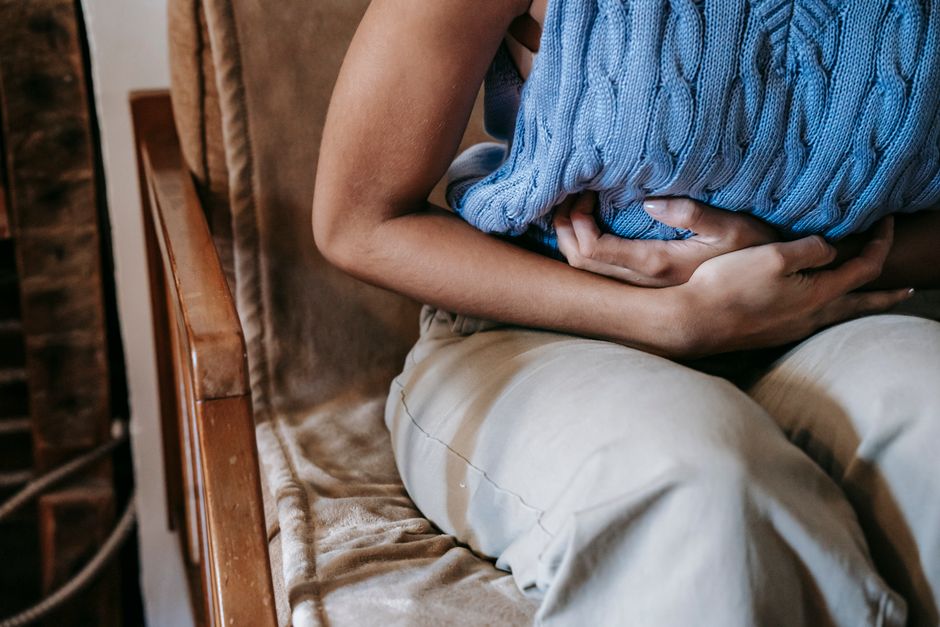
That heavy, tight feeling in your belly before and during your period is not in your head. Period bloating is a real physical response driven by hormone shifts that affect your digestion, fluid balance, and gut function. It happens because estrogen and progesterone levels rise and fall right before your period, causing your body to hold onto water and your digestive system to slow down. For most people, this bloating starts about one to two days before their period begins and can last through the first few days of bleeding.
What Actually Causes Period Bloating?
The main driver is a hormone called progesterone. In the week before your period, progesterone levels climb to prepare your uterus for a possible pregnancy. When no pregnancy happens, progesterone drops sharply. That sudden change signals your body to retain sodium and water.
Research shows that this water retention is not minor. Studies have found that women can retain up to 1.5 to 2 extra pounds of water during the luteal phase, which is the week before your period. That extra fluid builds up in your tissues, including your abdominal area, making you feel swollen and tight.
Estrogen also plays a role. When estrogen is high, it can affect the muscles in your digestive tract. The muscles that push food through your intestines become slower and less coordinated. This means food stays in your gut longer, and gas builds up more easily. The result is that period bloating is actually a combination of extra water and extra gas happening at the same time.
Does Periods Make You Bloated Affect Digestion Differently?
Yes, and the effect is more significant than most people realize. The same hormone shifts that cause water retention also directly change how your gut works.
Progesterone relaxes smooth muscle throughout your body, including the muscles in your intestines. When these muscles relax too much, your bowel movements slow down. This is why constipation is so common right before your period. A slower digestive tract gives bacteria more time to ferment food in your colon, which produces more gas. That gas has nowhere to go and builds up, adding to the bloated feeling.
Some people experience the opposite. When prostaglandins—chemicals that help your uterus contract—are released during your period, they can also affect your intestines. This can cause diarrhea or loose stools for some women. The gut is highly sensitive to these hormonal signals, and individual responses vary widely.
Evidence indicates that women with conditions like irritable bowel syndrome (IBS) feel these effects more strongly. A 2014 study published in the journal Gastroenterology found that women with IBS reported significantly worse bloating and abdominal pain during the premenstrual and menstrual phases compared to other times of the month.
How Long Does Period Bloating Last?
For most women, period bloating follows a predictable timeline. It usually starts one to two days before bleeding begins. It peaks on the first or second day of your period. Then it starts to fade as hormone levels stabilize.
By the time your period ends, the bloating is typically gone. That is because estrogen and progesterone drop to their lowest levels during menstruation, and your body starts releasing the extra water it was holding onto. You may notice you urinate more frequently on day two or three of your period. That is your body flushing out the retained fluid.
There is no single normal length. Some women feel bloated for only two days. Others feel it for a full week. If your bloating lasts well beyond your period or happens at other times of the month, it may be caused by something other than your menstrual cycle. Conditions like endometriosis, ovarian cysts, or fibroids can also cause bloating and should be evaluated by a doctor.





What Actually Helps Reduce Period Bloating?
There is no magic fix, but several approaches have real evidence behind them. The goal is to support your body in releasing the extra water and moving gas through your system more efficiently.
Increase water intake. Drinking more water sounds counterintuitive when you already feel swollen, but it works. When you are well hydrated, your kidneys are better able to flush out excess sodium. Dehydration signals your body to hold onto water even more. Aim for at least eight to ten glasses of water per day in the week before your period.
Reduce sodium intake. Sodium makes your body retain water. Processed foods, fast food, canned soups, and salty snacks are the biggest sources. Cutting back on these in the week before your period can noticeably reduce fluid retention. The American Heart Association recommends limiting sodium to less than 2,300 milligrams per day, and even less if you are prone to bloating.
Eat potassium-rich foods. Potassium helps balance sodium levels in your body. Foods like bananas, sweet potatoes, spinach, avocados, and beans are good sources. Adding these to your diet can help your kidneys flush out excess sodium and water.
Move your body. Gentle exercise like walking, yoga, or swimming helps stimulate digestion and move gas through your intestines. It also improves circulation, which can help your body redistribute and eliminate excess fluid. You do not need intense workouts. Even 20 minutes of walking can make a difference.
Consider magnesium supplements. Some studies suggest that magnesium can reduce water retention and bloating related to PMS. A 2010 review in the Journal of Women’s Health found that magnesium combined with vitamin B6 significantly reduced PMS symptoms including bloating. Typical doses range from 200 to 400 milligrams per day. Check with your doctor before starting any supplement.
| Approach | How It Helps | When to Try It |
|---|---|---|
| Drink more water | Flushes excess sodium | Daily, especially before period |
| Reduce salt | Prevents water retention | Week before period |
| Eat potassium foods | Balances sodium levels | Daily |
| Gentle exercise | Stimulates digestion, moves gas | When bloating starts |
| Magnesium supplement | May reduce fluid retention | Check with doctor first |
What Makes Period Bloating Worse?
Some habits and foods directly worsen bloating, and avoiding them during your premenstrual week can make a real difference.
Carbonated drinks. Soda, sparkling water, and beer introduce gas into your digestive system. When your gut is already slow from progesterone, that gas has a harder time passing through. It gets trapped and adds to the bloating.
High-fiber foods in large amounts. Fiber is normally good for you, but eating a huge bean salad or a bowl of broccoli right before your period can backfire. The bacteria in your colon ferment fiber and produce gas. When your digestion is slow, that gas builds up. This does not mean avoid fiber entirely. Just spread it out and avoid sudden large servings.
Sugar and artificial sweeteners. Sugar can feed gut bacteria that produce gas. Artificial sweeteners like sorbitol and xylitol are poorly absorbed and can cause gas and bloating in many people. Check ingredient labels on sugar-free gum, candies, and protein bars.
Skipping meals. Going too long without eating can cause your stomach to produce excess acid and air. When you finally eat, you may swallow more air and feel more bloated. Eating smaller, more frequent meals can keep your digestive system working steadily.
When Should You See a Doctor About Period Bloating?
Period bloating is normal, but severe or persistent bloating is not. If your bloating is so extreme that your belly looks visibly distended or feels painful to the touch, that warrants a medical evaluation.
You should also see a doctor if bloating lasts more than two weeks out of the month, if it happens at times unrelated to your period, or if it is accompanied by other symptoms like heavy bleeding, severe cramps, nausea, or unexplained weight gain.
These could be signs of conditions that require treatment. Endometriosis affects about 10 percent of women of reproductive age, according to the World Health Organization. It can cause severe bloating, pain, and digestive issues. Polycystic ovary syndrome (PCOS) and uterine fibroids can also cause abdominal swelling. Your doctor can run tests to rule out these conditions.
As of 2026, there is no clinical evidence that any over-the-counter bloating remedy cures period bloating permanently. Diuretics, or water pills, are sometimes used but should only be taken under medical supervision. They can dehydrate you and throw off your electrolyte balance.
Frequently Asked Questions
Can birth control pills stop period bloating?
Some women find that hormonal birth control reduces bloating because it keeps hormone levels more steady throughout the month. It does not work for everyone, and results vary depending on the type of pill.
Does drinking less water help with period bloating?
No, drinking less water actually makes bloating worse because your body holds onto fluid when it is dehydrated. Staying well hydrated helps your kidneys flush out excess sodium and water.
Is period bloating a sign of pregnancy?
Bloating can occur in early pregnancy due to rising progesterone, but it is not a reliable sign on its own. If you miss your period and feel bloated, take a pregnancy test for confirmation.
How much weight gain from period bloating is normal?
Gaining one to three pounds of water weight before your period is common. Gaining more than five pounds or having rapid weight gain should be checked by a doctor.
