
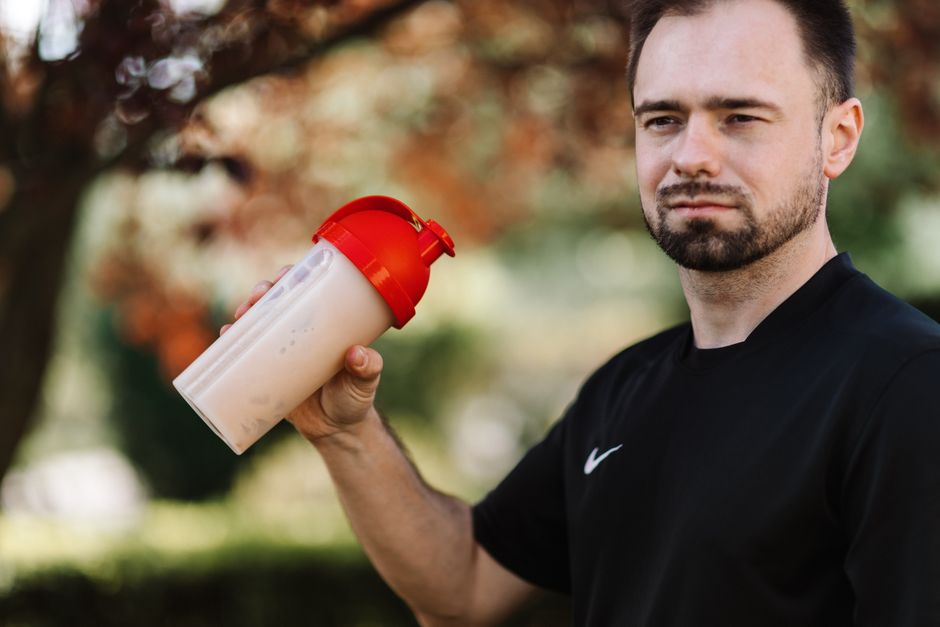
Yes, protein powder can make you bloated. The causes range from lactose intolerance to the type of sweetener used, and even how quickly you drink your shake. Bloating from protein powder is common, but it is not unavoidable. Understanding what triggers your symptoms is the first step to finding a powder that works for you.
Why Does Protein Powder Cause Bloating?
Bloating happens when gas builds up in your digestive tract. Protein powder can contribute to this in several ways. The most common reason is that your body struggles to break down certain ingredients.
The source of the protein matters. Whey and casein come from milk. Many adults do not produce enough lactase, the enzyme needed to digest lactose, the sugar in milk. When undigested lactose reaches your colon, bacteria ferment it, producing gas and bloating.
Even if you are not lactose intolerant, some people are sensitive to whey protein itself. This is different from lactose intolerance. It is a reaction to the specific milk proteins, and it can still cause digestive discomfort.
Which Protein Powders Are More Likely to Cause Bloating?
Whey protein concentrate contains more lactose than whey protein isolate. The isolate undergoes more processing to remove fat and lactose. If you react to lactose, switching to an isolate may help, but it is not guaranteed to solve the problem.
Plant-based proteins like pea, rice, and soy do not contain lactose. However, they can still cause bloating. Many plant proteins are high in fiber and contain complex carbohydrates called oligosaccharides. These are the same compounds in beans that cause gas. Your body cannot digest them, so bacteria in your gut ferment them, producing gas.
Some protein powders also contain added fiber, such as inulin or chicory root. These are prebiotics. They feed the good bacteria in your gut, but they can also cause significant gas and bloating, especially if you are not used to them.
Can Sweeteners and Additives Cause Bloating?
Yes. Sugar alcohols like sorbitol, mannitol, and xylitol are common in protein powders marketed as low-carb or sugar-free. Your body does not absorb these well. They travel to your colon where bacteria ferment them, causing gas, bloating, and sometimes diarrhea.
Artificial sweeteners like sucralose and aspartame are less likely to cause bloating than sugar alcohols, but some people still report digestive issues. The research on this is mixed. Some studies suggest these sweeteners may alter your gut bacteria, but the evidence is not strong enough to confirm that as the main cause of bloating in most people.
Thickeners like xanthan gum and carrageenan are added to improve texture. These are generally recognized as safe, but they can cause digestive distress in some individuals. If you notice bloating after a particular powder, check the ingredient list for these additives.





How You Drink Protein Powder Matters
It is not just what is in the powder. It is also how you consume it. Drinking a shake too quickly causes you to swallow air. That air has to escape, either as a burp or as gas lower down.
Mixing the powder too vigorously can also incorporate air into the shake. Using a shaker bottle with a blender ball aerates the liquid more than stirring gently. Let the shake sit for a minute after mixing to let some of the air escape.
Drinking a protein shake on an empty stomach can be harder on your digestive system. Food in your stomach slows the passage of the shake into your intestines, giving your body more time to process it. Some people find that drinking a shake with a meal or a snack reduces bloating.
What Can You Do to Reduce Bloating from Protein Powder?
If you want to keep using protein powder, start by identifying the likely culprit. Try an elimination approach. Switch to a single-ingredient protein powder and see if your symptoms improve.
Choose a whey protein isolate if you suspect lactose. It contains minimal lactose. If you still react, try a plant-based protein like pea or rice. These contain no lactose at all.
Check the fiber content. If the powder contains added fiber, look for one without it. You can get fiber from whole foods like fruits, vegetables, and oats instead.
Read the sweetener list. Avoid powders with sugar alcohols if you are sensitive to them. Look for powders sweetened with stevia, monk fruit, or simply unsweetened powder that you can flavor yourself.
Slow down. Drink your shake over 15 to 20 minutes instead of chugging it. This reduces the amount of air you swallow and gives your digestive system time to work.
Consider a digestive enzyme supplement. Some contain lactase, which helps break down lactose. Others contain enzymes that break down complex carbohydrates. The evidence for these supplements is limited, but some people find them helpful. No large human trials have confirmed that they work for everyone.
Is Bloating from Protein Powder a Sign of a Bigger Problem?
Occasional bloating after a shake is usually harmless. But persistent bloating that happens with every shake, or bloating that occurs without protein powder, may be a sign of something else.
Irritable bowel syndrome (IBS) affects millions of people. It can cause bloating, gas, and changes in bowel habits. If you have IBS, protein powders that are high in FODMAPs may trigger symptoms. FODMAPs are fermentable carbohydrates that are poorly absorbed in the small intestine.
If your bloating is severe, painful, or accompanied by other symptoms like weight loss, blood in your stool, or persistent diarrhea, see a doctor. These symptoms require evaluation. Do not assume protein powder is the cause.
Small intestinal bacterial overgrowth (SIBO) is another condition that can cause bloating after eating or drinking almost anything. It occurs when bacteria that normally live in the colon move up into the small intestine. This is a medical diagnosis that requires testing and treatment.
Does the Amount of Protein Matter?
Yes. A standard scoop of protein powder provides about 20 to 25 grams of protein. Some powders contain more. Large amounts of protein in a single serving can overwhelm your digestive system.
Your body can only absorb a limited amount of protein at one time. The exact number is debated, but research suggests that most people can use about 20 to 40 grams per meal for muscle building. Anything beyond that may not be absorbed efficiently and can cause digestive discomfort.
If you are drinking multiple scoops in one shake, reduce the portion. Split your shake into two smaller servings spread across the day. This gives your body a better chance to digest the protein fully.
Do You Actually Need Protein Powder?
Most people do not need protein powder to meet their protein needs. Whole foods like chicken, fish, eggs, beans, lentils, and dairy provide protein along with other nutrients. A typical adult needs about 0.8 grams of protein per kilogram of body weight per day. Athletes and older adults may need more.
Protein powder is a convenient supplement, not a requirement. If it consistently causes bloating, you can get your protein from food instead. A 3-ounce serving of chicken breast provides about 26 grams of protein. A cup of cooked lentils provides about 18 grams. Greek yogurt is another good option, with about 20 grams per 7-ounce serving.
If you use protein powder for convenience after workouts, consider alternatives like chocolate milk, which contains protein and carbohydrates. Or make a smoothie with Greek yogurt, milk, and fruit. These options provide protein without the additives found in many powders.
Frequently Asked Questions
What is the best protein powder for bloating?
Whey protein isolate is often the best choice because it contains very little lactose. If you still bloat, try a single-ingredient plant protein like pea protein with no added sweeteners or fiber.
How long does protein powder bloating last?
Bloating typically resolves within a few hours as the gas moves through your digestive tract. If it lasts longer than 24 hours or is painful, see a doctor.
Does whey protein cause more bloating than plant protein?
Whey protein causes more bloating for people who are lactose intolerant. Plant proteins can also cause bloating due to their fiber and carbohydrate content, so the answer depends on your specific sensitivities.
Can drinking protein powder with water reduce bloating?
Mixing with water instead of milk can reduce bloating if you are sensitive to lactose. The added air from shaking can still cause bloating, so mix gently and drink slowly.
