
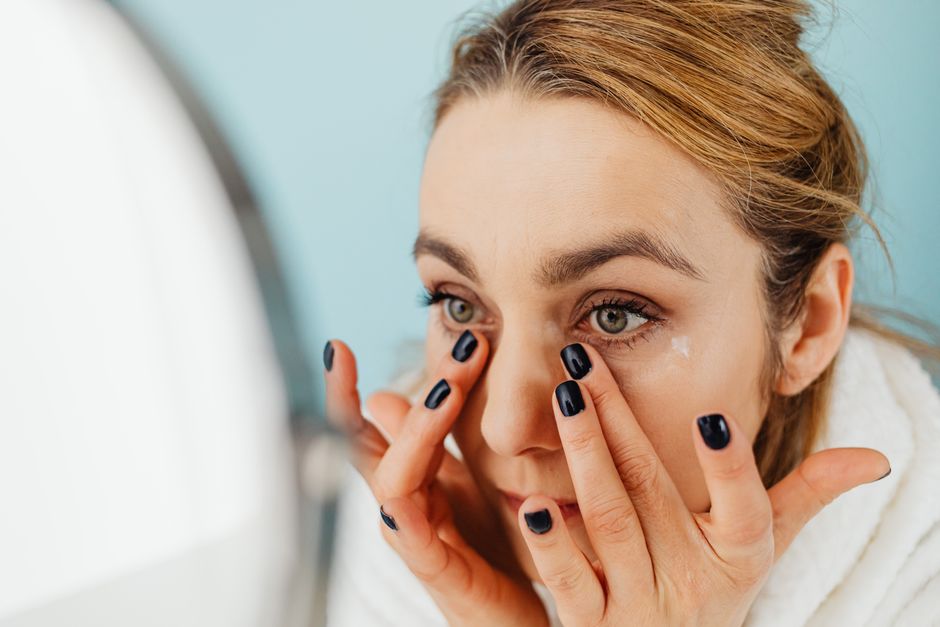
If your eyes look tired even after a full night of sleep, the cause is usually not the eyes themselves. Dark circles, puffiness, and a dull or heavy look come from the skin, blood vessels, and fat pads around the eye, along with how tired your eye muscles and tear film actually are. The fix depends on which of those is driving it, which is why eye creams alone often disappoint.
This article explains the real reasons eyes look tired, what the evidence supports, and what genuinely does not work. Some causes you can change. Some you cannot. Knowing the difference saves time, money, and frustration.
Why Do My Eyes Always Look Tired And How To Fix It?
There are two separate problems that get lumped together. One is how your eyes feel and function. The other is how the skin around them looks. They overlap, but they are not the same thing, and they respond to different solutions.
The functional side involves the muscles that control eye movement and the tear film that coats the surface. When these are strained or dry, eyes can feel heavy, burn, or look glassy. The cosmetic side involves the thin skin around the eye, which is among the thinnest on the body. Underneath it sit blood vessels, and beneath those sit fat pads that can bulge or hollow out with age.
When blood pools in the vessels under thin skin, you see a bluish or purplish tint. That is a vascular cause. When fat pushes forward, you get puffiness or bags. When the skin loses collagen and thins further with age, whatever is underneath shows through more clearly. These are structural causes, and no amount of sleep changes them.
So the honest answer is this: eyes look tired because of a mix of fatigue, dryness, vascular pooling, pigmentation, and structural aging. The fix depends on which is dominant for you.
What Actually Causes Dark Circles Under the Eyes?
Dark circles have several distinct causes, and they do not all look the same. True dark circles from pigment are brown. Circles from visible blood vessels are blue or purple. Circles from shadowing are actually hollows casting shade, not discoloration at all.
Pigmentation can be genetic and is more common in people with darker skin tones. It can also come from rubbing the eyes repeatedly, which is common in people with allergies or chronic eye irritation. The rubbing stimulates pigment-producing cells.
Vascular dark circles come from blood pooling in the vessels under thin skin. This is why they often look worse in the morning and after poor sleep. Fluid shifts when you lie flat, and circulation is slower.
Shadowing happens when the skin and fat beneath the eye thin out with age, creating a hollow that catches light differently. This is why some people look more tired in certain lighting. It is a structural change, not a color change.
One clarification worth making: dark circles are not a sign of poor health in most people. They are largely a normal variation in anatomy and skin. That said, sudden new dark circles, especially with swelling or other symptoms, are worth mentioning to a doctor.
What Makes Puffy Eyes and Bags Worse?
Puffiness around the eyes is mostly about fluid. The tissue around the eye holds fluid easily, and several things push that fluid to accumulate.
Sleeping flat lets fluid settle around the eyes overnight. This is why puffiness is often worst right after waking. Salty meals the night before can make it worse because sodium causes the body to retain water. Alcohol does the same and also disrupts sleep quality.
Allergies are a major and often overlooked cause. When the eyes are exposed to allergens, the tissue around them can swell. This is different from true fat bags, which are structural and do not come and go.
True under-eye bags from fat are not fluid. They are fat pads that push forward as the tissue holding them back weakens with age. These are persistent. They do not respond to cold compresses or sleep because the cause is anatomy, not fluid. This distinction matters because it determines whether anything topical will help at all.





How Do Dry Eyes and Screen Time Contribute?
Dry eyes are one of the most common reasons eyes feel tired, and they are frequently missed. When the tear film is unstable, the surface of the eye is not properly lubricated. The result is a heavy, gritty, or burning feeling that people describe as tired eyes.
Blinking spreads the tear film across the eye. When you stare at a screen, your blink rate drops, and you may not fully close your eyelids when you do blink. This lets the tear film break down. Over hours, the eyes feel strained and look dull.
Dry eye is not just about not producing enough tears. It can also be about tears that evaporate too quickly because of a poor oil layer. Both types cause the same tired feeling, and they need different approaches.
Some evidence supports the idea that regular breaks from screens reduce symptoms, though the research on how much and how often is not settled. The general clinical direction is to look away from the screen periodically and blink fully and deliberately. Lubricating eye drops can help, but the type matters, and a doctor or pharmacist can guide the choice. Persistent dry eye is worth a professional evaluation because some causes are treatable and some are not.
Which Fixes Actually Work and Which Do Not?
This is where honesty matters most. Many products sold for tired-looking eyes have little evidence behind them. Here is what the evidence supports and what it does not.
Cold compresses can reduce puffiness from fluid. This is well established. Cold narrows blood vessels and reduces swelling temporarily. It does not change fat bags or pigmentation.
Sleep and hydration help the functional side. If your eyes feel tired because you are sleep-deprived, more sleep helps. Staying hydrated supports tear production. These are basic but real.
Sun protection matters for pigmentation. Ultraviolet light can darken pigment around the eyes over time. Wearing sunglasses and using sunscreen around the eye area, carefully, is reasonable.
For dark circles, some topical ingredients have modest evidence. Certain vitamin C and niacinamide products may help with pigmentation. Retinoids can help skin thickness over time but often irritate the thin skin around the eye, so they require care. Results are gradual and usually modest.
What does not work well: most eye creams marketed for instant results. No topical product removes fat bags. No cream changes the underlying anatomy. Claims about “reducing puffiness” from a cream are usually about temporary effects from cold or caffeine, not lasting change.
For structural bags and hollows, procedures exist, including fillers and surgery. These are medical decisions with real risks and should be discussed with a qualified specialist, not decided from marketing.
What the Evidence Does Not Support
Some popular ideas about tired-looking eyes are not backed by good evidence. It is worth naming them directly.
- Drinking more water alone does not fix dark circles that come from pigment or anatomy.
- Special pillows and sleep positions may reduce morning puffiness slightly, but the evidence is limited.
- Tea bags and cucumber slices are traditional and feel soothing, but there is no strong evidence they do more than a cold compress would.
- Detoxes and supplements marketed for eye appearance have no clinical evidence supporting them.
- There is no diet proven to reverse under-eye bags.
None of this means these things are harmful. It means the honest position is that the evidence is limited or absent. A cold compress does most of what these methods claim, and it is essentially free.
When Should You See a Doctor About Tired-Looking Eyes?
Most tired-looking eyes are cosmetic and harmless. But some signs point to something worth checking.
See a doctor if the puffiness is one-sided, if it comes on suddenly, or if it is accompanied by pain, redness, vision changes, or a feeling that something is in the eye. Persistent dryness that does not improve with basic measures is also worth an evaluation, because some causes are treatable.
Dark circles that appear suddenly, or that come with weight loss, fatigue, or other symptoms, should be discussed with a clinician. In most cases the cause is benign, but a professional can sort out what is normal variation and what is not.
It is also reasonable to see a doctor if eye strain is affecting your daily life despite breaks and drops. There are conditions that mimic simple tiredness, and getting the right answer beats guessing.
Frequently Asked Questions
Can lack of sleep really cause dark circles?
Yes, poor sleep can make dark circles look worse by slowing circulation and letting blood pool under the thin skin. But sleep alone rarely causes dark circles that are genetic or structural.
Do eye creams actually get rid of under-eye bags?
No, creams cannot remove fat bags, because those are structural. Some creams may slightly improve the appearance of pigmentation or fine lines, but results are modest and gradual.
Are dark circles a sign of a health problem?
In most people, dark circles are a normal variation in skin and anatomy, not a sign of disease. Sudden new circles with other symptoms should be checked by a doctor.
How can I reduce puffy eyes in the morning?
A cold compress can reduce fluid-based puffiness temporarily, and cutting back on salt and alcohol the night before can help. Puffiness from fat pads will not respond to these measures.
