
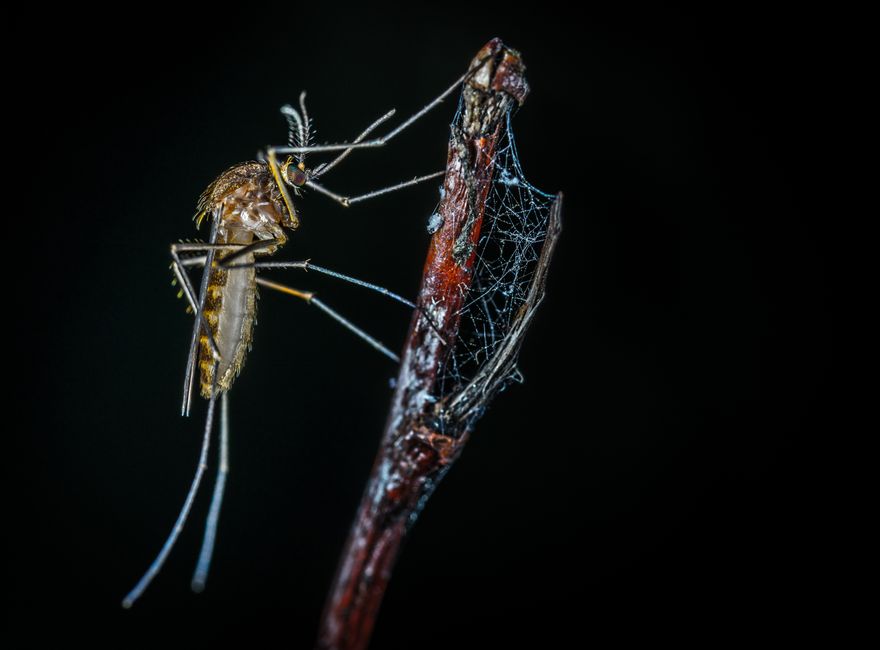
If you have type O blood, mosquitoes may find you more often than your friends with type A or B. This is not a myth or a coincidence. Research has found that mosquitoes land on and bite people with type O blood more frequently than people with other blood types. The reason comes down to chemicals in your sweat and skin that signal your blood type to a hungry mosquito.
Why Do Mosquitoes Like Type O Blood?
Mosquitoes detect blood type through chemical markers on your skin. About 85 percent of people release these markers in their sweat and saliva. The markers are called antigens, and they match your blood type. If you have type O blood, your skin gives off type O antigens. Mosquitoes can sense these antigens when they land on you.
Studies have shown that mosquitoes prefer type O blood over other types. In one well-known experiment, mosquitoes landed on type O feeders significantly more often than type A. Type B fell somewhere in between. The researchers concluded that the antigens themselves act as a signal. The mosquito is not choosing your blood type on purpose. It is simply following a chemical trail.
It is worth being precise here. The preference is real, but it is not absolute. Type O does not make you a mosquito magnet on its own. It is one factor among several. A person with type A blood who sweats heavily and runs hot may still attract more mosquitoes than a person with type O who is sitting still in the shade.
How Do Mosquitoes Detect Blood Type?
Mosquitoes use a combination of senses to find and choose a person. The process happens in stages.
First, the mosquito detects carbon dioxide from your breath. This draws it toward you from a distance. As it gets closer, it picks up body heat and moisture. Once it lands, it tastes your skin. Mosquitoes have chemical receptors on their legs and mouthparts. These receptors can detect the antigens that reveal your blood type.
The antigens in your sweat act like a name tag. The mosquito reads it and decides whether to bite. People who are “secretors” — those who release blood type antigens in their body fluids — give mosquitoes more information to work with. People who are not secretors release fewer of these markers. Roughly 15 percent of people are non-secretors, so their blood type is less obvious to a mosquito.
This is why type O blood is not the whole story. If you are a non-secretor with type O blood, your advantage or disadvantage may be smaller. The mosquito has less chemical information to act on.
What Else Attracts Mosquitoes Besides Blood Type?
Blood type is only one part of a larger picture. Several other factors play a role, and some may matter more than your blood type.
- Carbon dioxide. Larger people and pregnant women exhale more carbon dioxide, which attracts mosquitoes from farther away.
- Body heat and sweat. Mosquitoes are drawn to warm bodies. Sweat also carries lactic acid, uric acid, and ammonia, which are attractive to mosquitoes.
- Skin bacteria. The types and amounts of bacteria on your skin affect how appealing you are. This varies widely from person to person.
- Alcohol. Some research suggests that drinking beer may increase mosquito landings, though the reason is not fully understood.
- Clothing color. Mosquitoes are more attracted to dark colors like black and navy blue than to light colors.
- Pregnancy. Pregnant women attract more mosquitoes, likely because they exhale more carbon dioxide and have a slightly higher body temperature.
None of these factors works alone. Mosquitoes combine many signals at once. Your blood type is one line in a longer message.





Does Blood Type Affect How Often You Get Bitten?
Yes, but the effect is modest. A study published in the Journal of Medical Entomology found that mosquitoes landed on people with type O blood more often than those with type A. But the difference was not dramatic enough to explain every bite. Other factors still matter a great deal.
It is also important to separate landing from biting. A mosquito landing on your skin does not always mean it will bite. Some mosquitoes land, test the skin, and fly away. The blood type signal may influence landing more than feeding.
There is another layer to this. Some research suggests that mosquitoes may prefer certain blood types when given a choice in a controlled setting. But real-world conditions are messier. Wind, humidity, time of day, and the number of people nearby all change the outcome.
So if you have type O blood and feel like you get bitten constantly, your blood type is likely part of the reason. But it is not the only reason, and it may not even be the biggest one.
Can You Change How Attractive You Are to Mosquitoes?
You cannot change your blood type. But you can reduce the other signals that attract mosquitoes. These steps are supported by established public health guidance.
- Use an EPA-registered insect repellent. Products with DEET, picaridin, or oil of lemon eucalyptus are effective when used as directed.
- Wear light-colored, loose-fitting clothing that covers your arms and legs.
- Reduce standing water around your home. Mosquitoes breed in small amounts of water, even in bottle caps and plant saucers.
- Shower after sweating heavily. Removing sweat and bacteria from your skin lowers some of the chemical signals mosquitoes follow.
- Use screens on windows and doors, and use air conditioning when possible.
No approach removes all bites. Mosquitoes are persistent, and no single method works perfectly. Combining several methods works better than relying on one.
One clarification worth making: eating certain foods or taking garlic supplements to repel mosquitoes is a popular idea, but the evidence for this is weak. No large human trials have confirmed that changing your diet makes you less attractive to mosquitoes. If you hear that eating garlic or vitamin B will keep mosquitoes away, treat that claim with caution.
Why Do Some People Get Bitten More Than Others?
Two people can sit side by side, and one gets bitten while the other is left alone. Blood type explains only part of this. The rest comes from a mix of genetics, body chemistry, and behavior.
Your genes influence how much carbon dioxide you exhale, how much sweat you produce, and what bacteria live on your skin. These traits vary from person to person and can change over time. A person who rarely got bitten as a child may notice more bites as an adult, or the reverse.
Body size matters too. Larger bodies produce more carbon dioxide and heat, which makes them easier for mosquitoes to find. This is one reason adults often get bitten more than small children.
Movement and clothing play a role as well. Mosquitoes are attracted to movement and dark colors. A person who is active outdoors in dark clothing will draw more attention than someone sitting still in light clothing, regardless of blood type.
The takeaway is that being a “mosquito magnet” is rarely about one thing. It is the sum of many signals, and blood type is just one of them.
Does Your Blood Type Affect How Mosquitoes Bite?
Blood type appears to affect whether a mosquito lands, not how it bites. Once a mosquito decides to feed, the bite itself works the same way for everyone. The mosquito pierces the skin, injects saliva to prevent clotting, and draws blood.
The saliva is what causes the itch and the small red bump. Your immune system reacts to proteins in the saliva, which triggers histamine release. This is why some people get large welts and others barely notice a bite. That reaction is about your immune system, not your blood type.
There is no evidence that mosquitoes take more blood from type O people once they start feeding. The preference is about attraction and landing, not about the volume of blood taken.
Are There Health Risks From Mosquito Bites?
Mosquito bites are more than an annoyance. In some regions, mosquitoes carry diseases that can make people seriously ill. In the United States, the main concerns are West Nile virus, eastern equine encephalitis, and dengue in certain areas.
Not every mosquito carries disease. Most bites are harmless beyond the itch. But in areas where mosquito-borne illness is present, prevention matters more. The same steps that reduce bites also reduce your risk of infection.
If you develop symptoms like high fever, severe headache, stiff neck, confusion, or muscle weakness after a mosquito bite, seek medical care. These can be signs of a serious infection. This is not common, but it is worth knowing.
Frequently Asked Questions
Why do mosquitoes prefer type O blood?
People with type O blood release type O antigens in their sweat and skin, and mosquitoes can detect these chemicals when they land. Studies show mosquitoes land more often on type O than on type A or B.
Do mosquitoes bite everyone with type O blood more?
Not always. Blood type is only one factor, and other signals like carbon dioxide, body heat, and skin bacteria can matter more. A person with type A blood who sweats heavily may still attract more mosquitoes.
Can I change my blood type to avoid mosquito bites?
No, blood type is fixed and cannot be changed. You can reduce other attractants by using EPA-registered repellent, wearing light clothing, and removing standing water near your home.
Does eating garlic or taking vitamin B keep mosquitoes away?
No large human trials have confirmed that eating garlic or taking vitamin B changes how attractive you are to mosquitoes. Use proven repellents instead of relying on dietary changes.
