
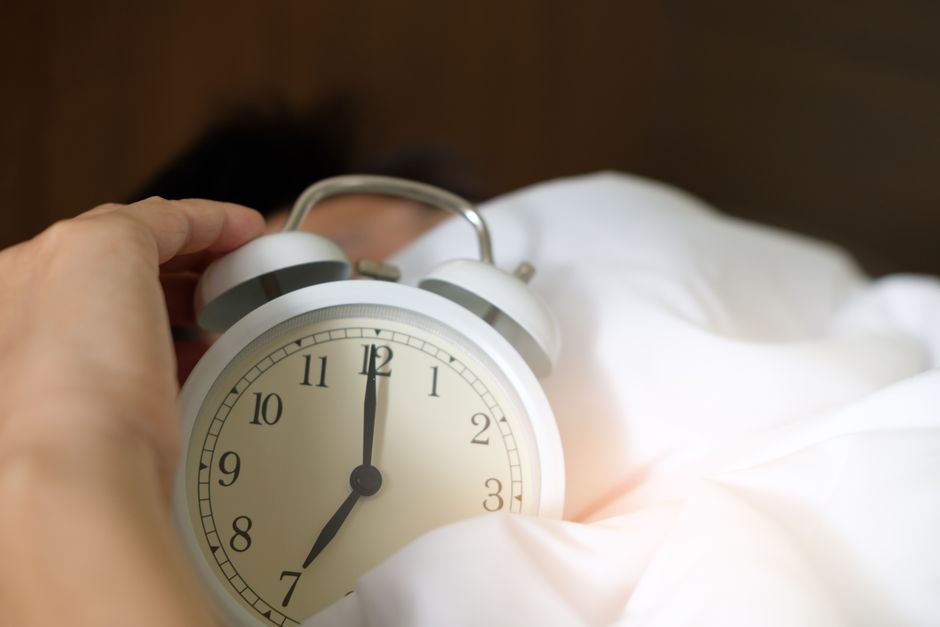
Waking up tired after a full eight hours in bed is frustrating, but it is also common. The number of hours you sleep matters less than the quality of those hours. If your sleep is fragmented, your breathing is disrupted, or your body never reaches the deeper stages of rest, eight hours can pass without your brain and body actually recovering. The real reason you wake up exhausted is usually not the quantity of sleep, but the quality—and several specific, fixable factors are often behind it.
What Happens During a Normal Night of Sleep
Sleep is not one long, continuous state. Your brain cycles through different stages roughly every 90 minutes. These cycles repeat four to five times across the night.
The two main categories are non-rapid eye movement (NREM) and rapid eye movement (REM) sleep. NREM sleep has three stages, moving from light sleep into deep sleep. Deep sleep, also called slow-wave sleep, is when your body repairs tissue, builds bone and muscle, and strengthens the immune system. REM sleep is when most dreaming occurs and is critical for memory consolidation and emotional processing.
For you to feel rested, your body needs enough time in both deep sleep and REM sleep. If something interrupts these stages—even briefly—you might not remember waking up, but your body still misses the restorative work it needed to complete.
Why Do I Wake Up Tired After 8 Hours Of Sleep? The Role of Sleep Quality
Sleep quality refers to how well your sleep is structured, not just how long it lasts. A high-quality night involves falling asleep within a reasonable time, sleeping through the night with few awakenings, and moving through the sleep cycles efficiently.
Several markers indicate poor sleep quality even when the sleep tracker says you logged eight hours. You might wake up multiple times without remembering it. You might spend more time in light sleep than deep sleep. You might have frequent brief awakenings caused by breathing pauses or movement. All of these fragments prevent your brain from completing the full cycle needed for restoration.
Research consistently shows that fragmented sleep has measurable effects on daytime function. Even if you do not recall waking up, brief arousals can reduce alertness, impair memory, and increase fatigue the next day. This is why two people can sleep the same number of hours and wake up feeling completely different.
Obstructive Sleep Apnea: A Common Hidden Cause
Obstructive sleep apnea (OSA) is one of the most common reasons someone sleeps eight hours and still wakes up exhausted. In OSA, the airway partially or fully collapses during sleep, causing breathing to pause for seconds at a time. Your brain senses the drop in oxygen and briefly wakes you to restart breathing.
These awakenings are so brief that most people do not remember them. But they can happen dozens or even hundreds of times per night. Each arousal pulls you out of deep sleep, so you never get the restorative stages your body needs.
Loud snoring, gasping for air during sleep, waking with a dry mouth, morning headaches, and excessive daytime sleepiness are common signs. Risk factors include excess weight, a large neck circumference, and a family history of the condition. But OSA also occurs in people who are not overweight. If you suspect it, a sleep study—either at home or in a clinic—is the standard way to diagnose it.
Treatment for OSA typically involves a continuous positive airway pressure (CPAP) machine, oral appliances, or positional therapy. These treatments do not just improve sleep quality; they reduce the cardiovascular strain that repeated oxygen drops place on the heart.





Restless Legs Syndrome and Periodic Limb Movements
Restless legs syndrome (RLS) creates an uncomfortable urge to move the legs, especially at night. That urge can delay falling asleep. But a related condition, periodic limb movement disorder (PLMD), can disrupt sleep without the person ever noticing.
In PLMD, the legs jerk or twitch every 20 to 40 seconds during sleep. These movements can cause brief arousals that fragment sleep. Many people with PLMD are unaware of the movements and only learn about them during a sleep study. The result is the same: poor sleep quality despite adequate time in bed.
RLS is linked to low iron stores in some people. A simple blood test measuring ferritin can identify this. If iron levels are low, iron supplementation under medical supervision may reduce symptoms. Other treatments include certain medications that affect dopamine, though these require careful medical oversight.
Insomnia and the Problem of “Light Sleep”
Insomnia is not just difficulty falling asleep. It also includes difficulty staying asleep or waking up too early. Some people with insomnia spend eight hours in bed but only a fraction of that time in actual sleep.
There is also a pattern called sleep state misperception. In this condition, people believe they were awake for most of the night, but a sleep study shows they slept normally. The opposite also happens: people think they slept deeply, but the study shows mostly light sleep. Both patterns leave people feeling unrefreshed.
If you frequently wake up tired, look at your actual sleep window, not just your time in bed. If you lie in bed for eight hours but only sleep for six, you are not getting eight hours of sleep. Keeping a simple sleep log for two weeks can show this gap clearly.
Alcohol, Caffeine, and Medication Effects on Sleep Architecture
Alcohol is a sedative, which means it can help you fall asleep faster. But it disrupts sleep architecture in significant ways. Alcohol reduces REM sleep in the first half of the night and increases awakenings in the second half as it is metabolized. Even moderate drinking can turn an eight-hour sleep into a fragmented one.
Caffeine has a half-life of about five to six hours in most adults. That means if you drink coffee at 3 PM, a significant amount of caffeine is still active in your brain at 9 PM. Caffeine blocks adenosine receptors, which are part of the system that builds sleep pressure. This can delay deep sleep and increase light sleep.
Certain medications also affect sleep quality. Some antidepressants suppress REM sleep. Beta-blockers used for blood pressure can reduce melatonin production. Decongestants and corticosteroids can cause insomnia or light sleep. If you take any medication regularly, review the side effects with your pharmacist or doctor.
Medical Conditions That Steal Restorative Sleep
Several medical conditions directly interfere with sleep quality. Chronic pain, for example, causes frequent micro-awakenings as the body shifts to find comfortable positions. Acid reflux can cause silent awakenings when stomach acid irritates the esophagus during the night.
An overactive thyroid can make it hard to reach deep sleep. Low thyroid function, by contrast, can cause excessive daytime sleepiness even after a full night. Diabetes and blood sugar fluctuations can trigger nighttime awakenings, especially if blood sugar drops during the night.
Depression and anxiety are strongly linked to poor sleep quality. These conditions can cause early morning awakenings, difficulty falling asleep, or a pattern of light, non-restorative sleep. Treating the underlying mood disorder often improves sleep quality even when the sleep problems have been present for years.
Sleep Environment and Habits That Quietly Sabotage Rest
Your bedroom conditions matter more than most people realize. Light exposure during sleep suppresses melatonin production and reduces deep sleep. Even small amounts of light from electronics, street lamps, or alarm clocks can have an effect.
Temperature also plays a role. Your core body temperature needs to drop slightly to initiate and maintain sleep. A room that is too warm can prevent this drop, leading to more wakefulness. Most sleep specialists recommend a cooler bedroom, generally between 60 and 67 degrees Fahrenheit.
Noise is another factor. Even if you do not fully wake up, environmental sounds can pull you from deep sleep into lighter stages. Irregular sleep schedules also confuse your internal clock. Going to bed at 10 PM on weekdays and 2 AM on weekends shifts your circadian rhythm, making it harder to achieve deep sleep even when you are in bed for enough hours.
When to See a Doctor About Morning Fatigue
Occasional tired mornings are normal. But persistent fatigue after eight hours of sleep deserves evaluation, especially if it lasts more than a few weeks.
See a doctor if you snore loudly, gasp during sleep, or have been told you stop breathing at night. See a doctor if you feel unrefreshed most mornings, struggle to stay awake during the day, or need naps to function. Also see a doctor if you experience leg discomfort at night, morning headaches, or a persistent low mood.
A primary care doctor can run basic blood tests to check for anemia, thyroid problems, diabetes, or vitamin deficiencies. If those are normal, they may refer you for a sleep study. A sleep study is the only reliable way to diagnose sleep apnea, PLMD, and other sleep disorders that silently fragment your rest.
Frequently Asked Questions
Why do I wake up tired even after sleeping 8 hours?
You likely have poor sleep quality, not a sleep quantity problem. Fragmented sleep, undiagnosed sleep apnea, or too much time in light sleep prevents your body from completing the restorative stages it needs.
Can sleep apnea cause fatigue after a full night of sleep?
Yes, obstructive sleep apnea is one of the most common causes. Breathing pauses trigger brief awakenings that fragment sleep, so you never reach the deep stages needed for physical recovery.
Does alcohol affect sleep quality even if I sleep 8 hours?
Yes, alcohol reduces REM sleep and causes more awakenings in the second half of the night. Even if you stay asleep for eight hours, the structure of that sleep is disrupted.
What blood tests can explain waking up tired?
A doctor may check your iron levels, thyroid function, blood sugar, and vitamin B12 levels. These tests can identify common medical causes of persistent fatigue.
