
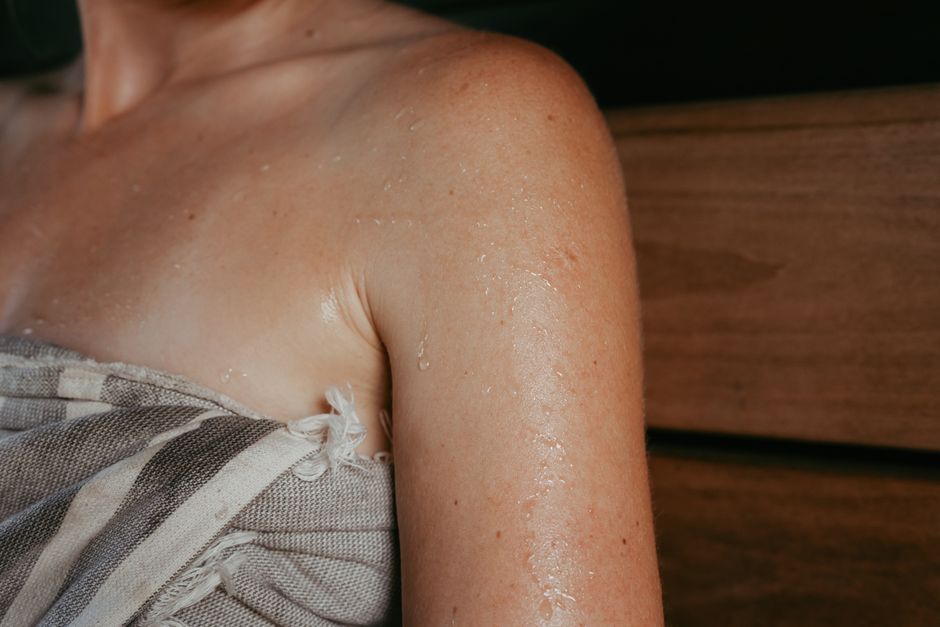
Sweating more than usual is often a normal response to heat, exercise, or stress. But when sweat soaks your clothes while others stay dry, or when it happens without a clear trigger, it can point to a condition called hyperhidrosis or another underlying issue. The good news is that most causes are well understood, and several treatments can reduce sweating significantly.
Why Do I Sweat More Than Normal Causes Treatments?
Sweating is your body’s cooling system. When your core temperature rises, your nervous system signals the sweat glands to release fluid onto your skin. As that fluid evaporates, it carries heat away. That process is controlled largely by the sympathetic nervous system, which also manages your fight-or-flight response.
When you sweat more than normal, the cause usually falls into one of two groups. Either the sweat glands are overactive on their own (primary hyperhidrosis), or another condition is driving the response (secondary hyperhidrosis). Telling these apart matters because the treatments differ.
Primary hyperhidrosis
This is sweating that happens without a medical trigger. It typically affects specific areas: the palms, soles, underarms, or face. It often starts in childhood or adolescence and tends to run in families. The sweat glands themselves are normal in number and structure. The problem is that the nerve signals telling them to produce sweat are firing too much.
Primary hyperhidrosis is common. Estimates vary, but it affects a meaningful share of the population, and many people never mention it to a doctor. It is not dangerous, but it can affect work, social life, and clothing choices in ways that are genuinely difficult.
Secondary hyperhidrosis
This is sweating caused by another condition or by a medication. It tends to be more generalized, affecting the whole body rather than just the palms or underarms. It can also start later in life, which is a clue that something else may be going on.
Conditions linked to excessive sweating include an overactive thyroid, diabetes (particularly low blood sugar episodes), menopause, anxiety disorders, and some infections. Certain medications can also trigger it, including some antidepressants, pain relievers, and hormone treatments. If sweating started or worsened after a new prescription, that timing is worth noting.
What Is the Difference Between Normal Sweating and Hyperhidrosis?
Everyone sweats. The question is whether the amount and the pattern are out of proportion to what is happening around you. Normal sweating rises with heat, exercise, and stress, and it settles when those triggers pass.
Hyperhidrosis looks different in a few ways. The sweating is disproportionate to the situation. You might sweat through a shirt while sitting in a cool room, or your hands might drip during a calm conversation. It happens on a regular basis, often several times a week or daily. And it interferes with ordinary life.
There is no single lab test that defines hyperhidrosis. Diagnosis is largely clinical, based on your history and pattern of sweating. Some clinicians use a sweat test or a starch-iodine test, where an iodine solution is applied to the skin and starch powder is dusted over it. The areas that turn dark purple indicate where sweat is being produced. That test helps map the affected area but does not explain the cause.
A useful distinction: if the sweating is focused on the hands, feet, underarms, or face and has been present since your teen years, primary hyperhidrosis is more likely. If it is widespread, new, or comes with other symptoms like weight change, palpitations, or fever, secondary causes deserve attention.
What Medical Conditions Cause Excessive Sweating?
Several conditions can drive up sweat production. The list below covers the most common ones, but it is not exhaustive, and a doctor can help sort out which apply to you.
- Overactive thyroid (hyperthyroidism): A revved-up metabolism raises body heat, so the body sweats more to compensate. This often comes with weight loss, a fast heartbeat, and feeling warm all the time.
- Diabetes and low blood sugar: A drop in blood glucose can trigger sweating, often with shakiness and hunger. This is a reason to check blood sugar if you have diabetes and notice sudden sweats.
- Menopause and perimenopause: Hormone shifts affect the body’s temperature regulation, leading to hot flashes and night sweats. These are common and well documented.
- Anxiety and panic: The stress response activates sweat glands directly, often on the palms and forehead.
- Infections and fever: Sweating is part of the immune response and the cooling that follows a fever.
- Some cancers and chronic illnesses: Night sweats that soak the bedding can be a sign of lymphoma or other conditions, though most night sweats have benign causes.
Medications are another common driver. Some antidepressants, opioid pain relievers, and hormone therapies list sweating as a side effect. If you started a new medicine and the sweating began around the same time, that is worth raising with your prescriber. Do not stop a prescribed medication on your own.





When Should You See a Doctor About Excessive Sweating?
See a doctor if the sweating is new, widespread, or comes with other symptoms. Specific signs that warrant a medical visit include night sweats that soak your sheets, sweating with fever or unexplained weight loss, chest pain, or a racing heartbeat.
Also worth a visit: sweating that started after age 40 without an obvious trigger, or sweating that disrupts sleep or daily activities. These patterns are more likely to point to a secondary cause that can be checked with blood tests.
For people with long-standing, localized sweating, a visit is still reasonable. Primary hyperhidrosis is not dangerous, but treatment can improve quality of life, and many people wait years before asking about it. There is no need to wait.
What Treatments Help Reduce Excessive Sweating?
Treatment depends on whether the cause is primary or secondary. For secondary hyperhidrosis, treating the underlying condition is the first step. When thyroid function is corrected or blood sugar is managed, sweating often improves.
For primary hyperhidrosis, several options exist. They range from simple to more involved, and most people start with the least invasive approach.
- Antiperspirants with aluminum chloride: These are stronger than ordinary deodorants and are applied to dry skin, often at night. They work by plugging sweat ducts temporarily. They are a common first step for underarm sweating.
- Prescription topical treatments: Some clinicians prescribe stronger antiperspirants or other topical agents when over-the-counter products are not enough.
- Botulinum toxin injections: These are used for underarm and palm sweating. The injections block the nerve signals that tell sweat glands to produce sweat. The effect is temporary and requires repeat treatments. This is an established option for primary hyperhidrosis.
- Oral medications: Some drugs that reduce nerve signals or calm the nervous system are used, though they can cause side effects like dry mouth and blurred vision. These are generally considered when other options have not worked.
- Iontophoresis: This involves passing a mild electrical current through water to the hands or feet. It is used mainly for palm and sole sweating. It requires repeated sessions.
- Surgery: In severe cases, a procedure called sympathectomy may be considered. It interrupts the nerve signals to sweat glands. It is not a first-line option and carries risks, including compensatory sweating elsewhere on the body.
No single treatment works for everyone. What helps one person may not help another, and some options work better for underarms than for hands or feet. A doctor can help match the approach to the location and severity of your sweating.
What Can You Do at Home to Manage Sweating?
Everyday steps can reduce the impact of sweating, even if they do not stop it entirely. These are practical measures, not cures.
Choose breathable fabrics like cotton and moisture-wicking synthetics. Avoid tight clothing that traps heat. Keep a change of shirt or a small towel on hand if sweating affects your workday. For foot sweating, rotate shoes and use moisture-absorbing insoles.
Manage stress where you can. Since anxiety activates sweat glands, relaxation techniques may reduce stress-related sweating, though the evidence for how much they help hyperhidrosis specifically is limited. They are reasonable to try alongside other approaches.
Watch for triggers like spicy foods, caffeine, and alcohol, which can increase sweating in some people. Cutting back may help, but it will not treat an underlying condition.
One clarification worth making: ordinary deodorant masks odor but does not reduce sweat. Antiperspirant reduces sweat. If your goal is less wetness, look for an antiperspirant, not just a deodorant.
Does Excessive Sweating Mean Something Is Wrong?
Most people who sweat more than normal do not have a dangerous condition. Primary hyperhidrosis is a common, benign problem of overactive nerve signals. It is uncomfortable and sometimes embarrassing, but it is not harmful to your health.
The exception is secondary hyperhidrosis, where sweating is a signal of another issue. That is why new, widespread, or night sweating deserves a medical look. The purpose of that visit is not to alarm you. It is to rule out treatable causes like thyroid problems or diabetes, which are common and manageable.
If you have had heavy sweating in the same areas since your teens and you feel otherwise well, the odds strongly favor primary hyperhidrosis. If the pattern is new or changing, get it checked. That distinction is the most useful thing to bring to a doctor.
Frequently Asked Questions
What causes excessive sweating all over the body?
Widespread sweating is more often linked to a secondary cause such as an overactive thyroid, diabetes, menopause, or a medication side effect. A doctor can check for these with blood tests and a review of your medicines.
Is sweating more than normal a sign of a serious illness?
Most excessive sweating is not dangerous and is caused by primary hyperhidrosis or a manageable condition. Night sweats that soak the bedding, or sweating with fever or weight loss, should be checked by a doctor.
What is the best treatment for excessive sweating?
There is no single best treatment, because options depend on where you sweat and how severe it is. Strong antiperspirants are a common first step, and botulinum toxin injections are an established option for underarm sweating.
Can anxiety make you sweat more?
Yes, anxiety activates the nervous system that controls sweat glands, often causing sweating on the palms and forehead. Treating the anxiety may reduce stress-related sweating, though it does not always resolve hyperhidrosis on its own.
