
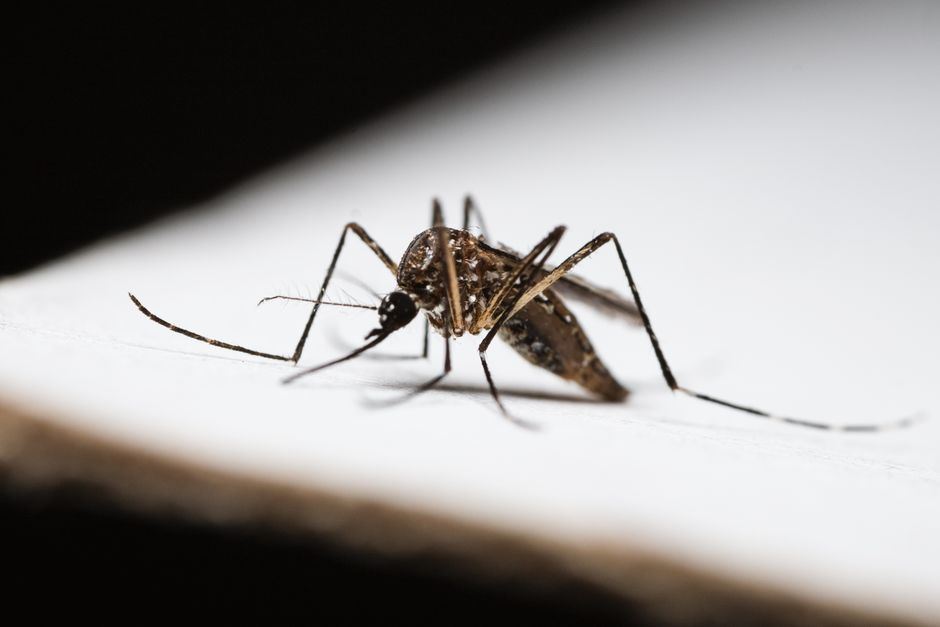
Seeing insects that aren’t there is a real medical symptom, not a sign of imagination or attention-seeking. The most common cause is a condition called formication — the sensation of insects crawling on or under the skin — which can occur with certain neurological conditions, medication side effects, substance withdrawal, severe skin disorders, or psychiatric illness. When someone genuinely sees bugs that are not present, the cause is usually a disturbance in how the brain processes sensory information, not a problem with the eyes themselves.
This article explains the known causes, how doctors tell them apart, and when the symptom points to something treatable.
What Is Formication and Why Does It Happen?
Formication is the medical term for the sensation that insects are crawling on or under your skin. It comes from the Latin word formica, meaning ant. The sensation is not imaginary in the sense of being made up — the nervous system is genuinely generating a signal that feels like touch, even though nothing is touching the skin.
This matters because people who experience it often scratch, pick, or dig at their skin trying to remove something that isn’t there. That can cause real wounds, scarring, and infection. The distress is real even when the bugs are not.
Formication is a type of paresthesia — an abnormal skin sensation. Other paresthesias include tingling, numbness, and the “pins and needles” feeling. All of them come from nerves firing when they shouldn’t, or from the brain misreading signals that are actually coming from somewhere else in the body.
When someone not only feels but also sees insects, the picture involves more than skin nerves. Visual hallucinations mean the brain’s visual processing is also involved. That combination narrows the list of likely causes considerably.
Why Do I See Bugs That Aren’t There Causes Explained
The causes fall into several distinct categories, and identifying which one applies is the single most important step in getting effective treatment. The categories are not mutually exclusive — more than one can be present at once.
Neurological and brain-related causes
Conditions that affect the brain’s sensory processing can produce both crawling sensations and visual hallucinations. Parkinson’s disease is one of the best documented. Visual hallucinations occur in a substantial proportion of people with Parkinson’s, particularly as the disease progresses or with certain medications used to treat it. The hallucinations are often of small animals, insects, or people, and they tend to appear in low light or when the person is drowsy.
Dementia with Lewy bodies, a related condition, also commonly involves visual hallucinations. Migraine with aura can produce visual disturbances, though these are typically geometric patterns or flashing lights rather than insects. Seizures affecting the temporal lobe can occasionally produce formed visual hallucinations, but this is uncommon.
Medication side effects
Certain medications can trigger formication or visual hallucinations as a side effect. This is a well-established phenomenon, not a rare curiosity. Drugs used to treat Parkinson’s disease are among the most common culprits. So are some stimulants, certain antidepressants, and opioids. Anyone who develops new crawling sensations or visual hallucinations after starting or changing a medication should tell their prescriber promptly.
Substance use and withdrawal
Alcohol withdrawal can cause formication, often alongside other withdrawal symptoms. This typically occurs within a day or two of stopping heavy, prolonged drinking and can be medically serious. Chronic stimulant use — cocaine or methamphetamine — is strongly associated with formication and the sensation of bugs under the skin. The symptom can persist during withdrawal and in some cases for extended periods after stopping.
This is one of the few situations where the cause is often obvious to observers but not to the person experiencing it.
Psychiatric conditions
Formication can occur in schizophrenia and other psychotic disorders, where it typically appears alongside other hallucinations or delusional beliefs. It is not, however, a sign that someone is “crazy.” Delusional parasitosis — a fixed, false belief that one is infested with parasites — is a separate condition in which the person may bring in samples of skin, lint, or debris as “proof.” This condition is genuinely difficult to treat because the person usually does not believe the problem is psychiatric, and that reluctance is part of the illness itself, not stubbornness.
Skin and systemic conditions
Real skin conditions can trigger the sensation of crawling even when no insects are present. Scabies, an infestation by a microscopic mite, causes intense itching that is often worse at night. The mites are real but too small to see, so people sometimes describe the sensation as bugs they cannot find. Dry skin, eczema, and allergic reactions can also produce crawling sensations through nerve irritation.
Systemic problems matter too. Diabetes can cause peripheral neuropathy, which produces tingling and crawling sensations. Vitamin B12 deficiency, thyroid disorders, and liver or kidney disease can all affect nerve function. Iron deficiency has been linked to crawling sensations in some cases. These are worth ruling out because they are treatable.
How Do Doctors Tell These Causes Apart?
There is no single test for formication. Diagnosis depends on a careful history — when the symptom started, what else was happening, what medications the person takes, and whether they also see or only feel the insects.
Doctors typically ask about:
- Whether the sensation is felt, seen, or both
- How long it has been happening and whether it is getting worse
- Any recent medication changes or new prescriptions
- Alcohol or drug use, including how recently and how much
- Other symptoms like tremor, stiffness, confusion, or mood changes
- Any real skin rash, sores, or evidence of scratching
Blood tests often check blood sugar, vitamin B12, thyroid function, kidney and liver function, and iron levels. A skin exam can rule out scabies or other real infestations. If a neurological condition is suspected, a doctor may recommend imaging or a referral to a neurologist.
One practical point: people are often reluctant to describe the symptom honestly because they fear being dismissed. That reluctance can delay diagnosis of a treatable condition. Describing exactly what is felt and seen — without editing — gives the doctor the information needed to help.




What Treatment Looks Like
Treatment depends entirely on the cause, which is why accurate diagnosis matters more than any single remedy. There is no one treatment for formication because it is a symptom, not a disease.
When a medication is the trigger, adjusting or stopping it often resolves the symptom — but this must be done with medical supervision, never on your own. Abruptly stopping certain drugs can cause serious harm.
When alcohol or drug withdrawal is the cause, medically supervised detox is the standard approach. Withdrawal from heavy alcohol use can be life-threatening, so this is not something to manage alone.
When Parkinson’s disease or dementia with Lewy bodies is the cause, treatment focuses on managing the underlying condition and adjusting medications that may be worsening hallucinations. Some antipsychotic medications are used cautiously, but certain ones can worsen Parkinson’s symptoms, so this requires specialist care.
For delusional parasitosis, antipsychotic medication is often effective, but convincing someone to accept treatment is the hardest part. Building trust with a clinician who takes the distress seriously tends to work better than confrontation.
When a nutritional deficiency or metabolic problem is found, correcting it often improves the symptom. This is one of the more straightforward scenarios.
There is no evidence that over-the-counter “parasite cleanses,” herbal deworming products, or skin treatments marketed for this symptom resolve it. No clinical trials support these products for formication. They can also cause harm through drug interactions or delayed diagnosis.
When Should You Seek Medical Help?
You should see a doctor if you are seeing or feeling insects that others cannot see, especially if the symptom is new, persistent, or causing you distress. There is no threshold of severity that makes it “not worth mentioning.”
Seek care urgently if the symptom comes with confusion, fever, a rapid heartbeat, heavy sweating, or shaking — particularly if you have recently stopped drinking alcohol heavily. These can signal alcohol withdrawal, which is a medical emergency.
Also seek prompt care if you have been scratching or picking at your skin to the point of open wounds, if the sensation is spreading, or if you have other neurological symptoms like weakness, trouble speaking, or vision changes.
The most important thing to understand is that this symptom is treatable in many cases. It is not a character flaw, a moral failing, or something to be embarrassed about. It is a signal from the nervous system that something needs attention, and doctors are trained to evaluate it.
Frequently Asked Questions
Why do I feel bugs crawling on me when there are none?
This sensation is called formication, and it happens when nerves in the skin send signals the brain interprets as crawling even though nothing is there. It can be caused by nerve damage, medication side effects, withdrawal, or skin conditions, so a medical evaluation is the right next step.
Can anxiety cause the feeling of bugs on your skin?
Anxiety and stress can worsen skin sensations, but formication is more commonly linked to neurological, medication, or substance-related causes than to anxiety alone. If the symptom is persistent, it should be evaluated rather than assumed to be stress.
Is seeing bugs that aren’t there a sign of mental illness?
Not necessarily. Visual hallucinations and crawling sensations can come from Parkinson’s disease, medication side effects, alcohol withdrawal, or metabolic problems, not only psychiatric conditions. Only a doctor can determine the cause after a proper evaluation.
What should I do if I think I have formication?
See a doctor and describe exactly what you feel and see, including any recent medication changes or alcohol or drug use. Do not stop any medication on your own, and do not rely on over-the-counter parasite cleanses, which have no evidence supporting their use for this symptom.
