
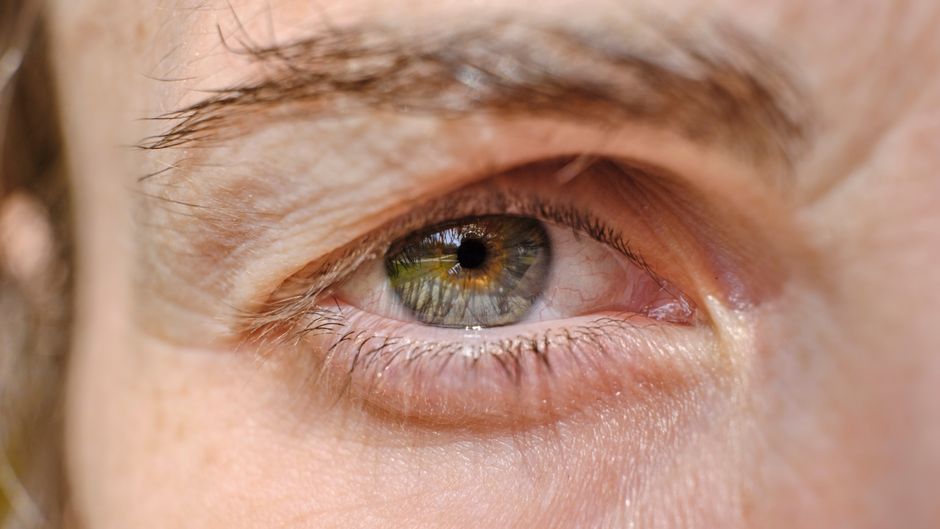
Blinking is something most people never think about. You do it thousands of times a day without noticing. But sometimes, right as your eyelids close, you catch a glimpse of something unexpected — a circle, a ring, or a flash of light. It can be a faint outline or a bright glowing ring. It can last a split second or linger for a few moments. If this has happened to you, you might wonder if something is wrong with your eyes. The short answer is that most of the time this is a normal visual phenomenon caused by the mechanics of your eyelid, the pressure on your eyeball, or the way your brain processes visual information. In most cases it is harmless, but there are specific situations where it deserves attention from an eye doctor.
What Causes a Circle When You Blink?
The most common reason you see a circle when blinking is mechanical pressure. Your eyelid is not just a piece of skin. It contains a firm plate of tissue called the tarsal plate, along with muscles and glands. When you blink forcefully, or when you squeeze your eyes shut tightly, that pressure transfers to the eyeball itself. The eyeball is a fluid-filled sphere, and pressing on it changes its shape slightly. That change in shape stimulates the retina — the light-sensitive layer at the back of the eye. Your brain interprets that stimulation as light.
This is called a phosphene. Phosphenes are visual sensations that occur without actual light entering the eye. They can look like dots, sparks, or rings. Pressing on the eye is one of the easiest ways to trigger them. That is why rubbing your eyes produces flashes and patterns. A blink, especially a hard one, can do the same thing on a smaller scale.
The circular shape is not random. The pressure from the eyelid is distributed evenly across the front of the eye. The retina responds to that even pressure by producing a signal that your brain maps as a ring or circle. The shape reflects the pattern of stimulation, not an actual object in your visual field.
Why the Circle Sometimes Appears After You Open Your Eyes
You might not notice the circle during the blink itself. It often appears in the split second after your eyes reopen. This happens because of how your retina recovers from stimulation.
When pressure or light stimulates the retina, the cells send a signal to the brain. When the stimulus stops, those cells need a moment to return to their resting state. During that recovery period, the cells can fire again on their own. This produces a brief afterimage. An afterimage is a visual impression that remains after the original stimulus is gone.
This is the same reason you see a spot after looking at a bright light bulb. The retina is temporarily overstimulated, and the afterimage appears in your vision. With a blink, the pressure change creates the stimulus, and the afterimage appears as a circle or ring once your lids are open.
Dry Eyes and the Tear Film
Your eyes are covered by a thin layer of tears called the tear film. This film keeps the surface of the eye smooth and moist. When you blink, the eyelids spread this film evenly across the eye. If the tear film is uneven or breaking up, blinking can cause subtle changes in how light bends as it enters your eye.
This can create visual artifacts — shapes, streaks, or circles that appear briefly. Dry eyes are very common, especially in people who spend long hours looking at screens, in dry indoor air, or in windy conditions. The connection between dry eyes and visual disturbances is well established. If you notice circles or other shapes when blinking, and your eyes also feel dry, gritty, or tired, this may be the cause.
Artificial tears are a common first step, but this article is informational. If dryness is persistent, an eye doctor can evaluate your tear film and recommend a specific approach.





Migraines and Visual Auras
Some people see circles or rings when blinking as part of a visual aura. Aura is a neurological event that can happen before or during a migraine headache. But you do not have to have a headache to experience an aura. Some people have what is called an ocular migraine, where visual symptoms occur without head pain.
These visual symptoms can include flashing lights, zigzag lines, blind spots, and rings or circles. They typically last between five and sixty minutes. They can appear at any time, including when you blink. If you see circles when blinking along with other visual disturbances that last several minutes, migraine with aura may be the explanation.
Migraine auras are generally harmless, but they can be alarming. If you have never experienced one before, and you suddenly develop visual symptoms that last more than a few seconds, you should be evaluated by a doctor.
Floaters and the Vitreous Gel
The inside of your eye is filled with a clear gel called the vitreous. As you age, this gel naturally shrinks and can pull away from the retina. This process is called posterior vitreous detachment. It is a normal part of aging and usually happens in your 50s or 60s.
As the gel shifts, it can cast shadows on the retina. These shadows are what you perceive as floaters — small spots, threads, or cobwebs that drift across your vision. When you blink, the movement of the eye and eyelid can shift the gel slightly. That movement can make a floater more noticeable. What looks like a circle when you blink may actually be a ring-shaped floater.
A ring-shaped floater is sometimes called a Weiss ring. It is caused by the detachment of the vitreous from the optic nerve head. This is not dangerous on its own. However, a sudden increase in floaters, especially accompanied by flashes of light, can be a sign of a retinal tear. A retinal tear requires prompt medical attention.
When a Circle When Blinking Is a Warning Sign
Most circles seen during blinking are harmless. But there are situations where this symptom needs to be taken seriously. You should see an eye doctor promptly if you experience any of the following:
- A sudden increase in the number of floaters
- Flashes of light that persist for minutes at a time
- A shadow or curtain that blocks part of your vision
- Pain in the eye
- Loss of vision, even briefly
- Circles or rings that appear even when your eyes are open and still
These symptoms can indicate a retinal tear, retinal detachment, or increased pressure inside the eye. Retinal detachment is a medical emergency. It can lead to permanent vision loss if not treated quickly.
Another condition to consider is glaucoma. Glaucoma involves damage to the optic nerve, often due to high pressure inside the eye. Some people with glaucoma see halos or rings around lights. This is different from seeing a circle when blinking, but both involve visual changes that warrant an eye exam. Glaucoma is treatable, especially when caught early.
If you have diabetes, high blood pressure, or a family history of eye disease, you should be especially attentive to any new visual symptoms. These conditions increase the risk of eye problems that can affect vision.
How the Brain Processes Blinks
There is another layer to this that is worth understanding. Your brain does not simply record everything your eyes see. It actively edits your visual experience. When you blink, your brain briefly suppresses the visual signal. This is called blink suppression. It is why you do not notice every blink — your brain fills in the gap so your vision feels continuous.
Sometimes this suppression is incomplete. A burst of neural activity can slip through and be perceived as a flash or shape. The circle you see may be a momentary glitch in this suppression process. This is not a sign of a brain problem. It is a normal variation in how the visual system handles the interruption of a blink.
Research has shown that the brain predicts the effect of blinking and adjusts the visual signal accordingly. This is an active process, not a passive one. Occasionally, the prediction does not perfectly match what the eyes are doing, and a brief visual artifact appears.
What You Should Do
If you see a circle when blinking occasionally, and it lasts only a split second, you likely do not need to worry. This is a common experience. It is not a sign of a serious condition in most cases.
However, if the circles become frequent, last longer, or are accompanied by other symptoms, schedule an eye exam. An optometrist or ophthalmologist can examine your retina, measure your eye pressure, and assess your tear film. These tests are quick and painless. They can provide reassurance or identify a problem early, when treatment is most effective.
There is no specific treatment for seeing circles when blinking because it is usually not a condition itself. It is a symptom of normal eye mechanics. The underlying cause — whether pressure, dry eyes, floaters, or a visual aura — determines whether any action is needed.
Frequently Asked Questions
Is seeing a circle when I blink normal?
Yes, in most cases it is a normal visual phenomenon caused by pressure on the eye or the way the brain processes blinks. It becomes a concern only if it happens frequently or comes with other symptoms like pain or vision loss.
Why do I see a ring of light when I close my eyes?
This is usually a phosphene, which is a visual sensation caused by pressure or stimulation of the retina without actual light. The ring shape reflects the even pressure of the eyelid on the eyeball.
Can dry eyes cause visual disturbances when blinking?
Yes, dry eyes can cause an uneven tear film that distorts light entering the eye. This can produce brief shapes or circles when you blink.
When should I see a doctor about circles when blinking?
See a doctor if you have a sudden increase in floaters, persistent flashes of light, a shadow in your vision, eye pain, or any loss of vision. These can be signs of a retinal tear or detachment, which require prompt treatment.
