
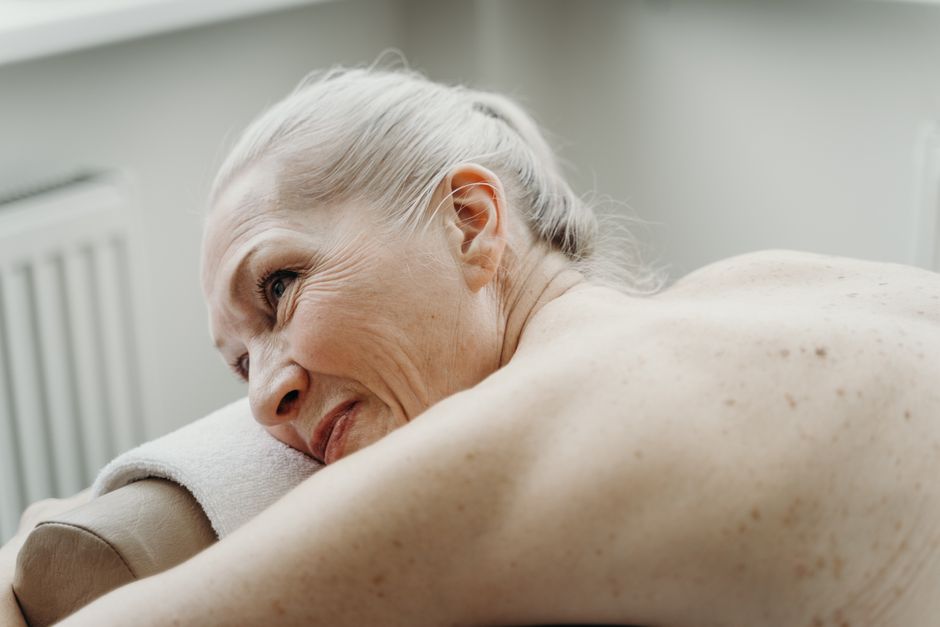
If you feel like the face in the mirror looks older than the number on your driver’s license, you are not imagining it. Facial aging is driven by a handful of specific, well-understood forces — some you can influence and some you cannot. The eight main causes are sun exposure, smoking, sleep quality, chronic stress, alcohol, nutrition and hydration, genetics, and the natural loss of facial fat and bone that comes with time.
Doctors who study skin aging generally split these into two groups: intrinsic aging, which is the built-in clock you inherit, and extrinsic aging, which is the accumulated damage from your environment and habits. Extrinsic factors are thought to account for a large share of how old your skin actually looks, which is why two people born the same year can appear a decade apart.
Why Do I Look Older Than My Age? 8 Real Causes
Each of these eight factors works through a different mechanism, and most people are dealing with several at once. Understanding which ones apply to you matters more than buying another serum.
1. Sun exposure
Ultraviolet radiation from the sun is the single largest driver of visible skin aging. UV light breaks down collagen and elastin — the proteins that give skin its structure and its ability to snap back — and it does so gradually over decades. This process is called photoaging, and it is distinct from the natural aging that happens with time alone.
Photoaging shows up as deep wrinkles, uneven pigmentation, rough texture, and a leathery quality. It also causes freckling and sun spots that accumulate on the face, neck, and hands. Because UV damage builds silently, most people do not see its full effect until their 30s or 40s, even if the exposure happened in childhood and adolescence.
This is the one factor where the evidence is strongest and the message is simplest: daily sun protection is the most reliable way to slow how fast your face appears to age.
2. Smoking
Smoking speeds up facial aging through several pathways at once. The chemicals in tobacco smoke reduce blood flow to the skin, which limits the oxygen and nutrients it receives. Smoking also damages collagen and elastin directly and increases the activity of enzymes that break these proteins down.
There is a second, mechanical effect. The repeated pursing and squinting that comes with smoking creates fine lines around the mouth and eyes over time. Dermatologists sometimes describe a characteristic “smoker’s face” — deeper lines, a slightly gray or uneven tone, and hollowed cheeks — though not everyone who smokes develops it in the same way.
Quitting helps. Skin changes already caused by smoking do not fully reverse, but stopping reduces further damage and is associated with better skin appearance over time.
3. Poor sleep
Sleep is when the body repairs tissue, including skin. Research on sleep quality has found that people who consistently get poor sleep show more signs of skin aging, slower recovery of the skin barrier after stress, and lower satisfaction with their own appearance.
The visible effects are familiar. Dark circles, puffiness under the eyes, and a dull, tired look are the most obvious short-term signs. Over time, chronic sleep deprivation may contribute to less efficient skin repair, though the long-term facial effects are harder to measure than the short-term ones.
Sleep position matters too. Sleeping face-down or on one side can crease the skin against the pillow night after night, and some dermatologists believe these “sleep lines” can become fixed over years. This is a widely held clinical observation rather than something proven in large trials.
4. Chronic stress
Ongoing stress keeps levels of the hormone cortisol elevated, and cortisol affects skin in several ways. It can increase oil production, impair the skin’s barrier function, and contribute to inflammation. Stress also tends to disrupt sleep, which compounds the effect.
There is a behavioral layer as well. People under chronic stress often sleep less, eat worse, and skip skin care. Over years, these patterns add up in the mirror.
The evidence linking psychological stress to visible skin aging is real but not as strong as the evidence for sun and smoking. It is reasonable to treat stress as a contributing factor rather than the main cause.
5. Alcohol
Alcohol is a diuretic, meaning it increases fluid loss and can leave skin looking dry and dull the next day. Regular heavy drinking is associated with more visible facial aging, including puffiness, enlarged blood vessels, and a flushed or ruddy tone.
Alcohol also disrupts sleep architecture, particularly the deep sleep stages where much of the body’s repair work happens. So drinking affects the face both directly and through the sleep it costs you.
Occasional drinking is unlikely to change how old you look. The concern is the pattern — frequent, heavy use over years.
6. Nutrition and hydration
Skin needs a steady supply of nutrients to repair itself. Vitamin C supports collagen production, vitamin E and other antioxidants help limit oxidative damage, and adequate protein provides the building blocks for skin structure. Diets high in processed foods and added sugar are associated with more skin aging, partly through a process called glycation, where sugar molecules attach to collagen and make it stiffer.
Hydration matters for skin appearance, though the popular idea that drinking extra water erases wrinkles is not supported by strong evidence. Well-hydrated skin tends to look plumper and less dull, but drinking more than your body needs does not add extra benefit.
7. Genetics
Genetics set your baseline. They influence your skin type, how much collagen you produce, how quickly you lose it, and how your face distributes fat. This is why some people seem to age slowly no matter what they do, and others see changes earlier despite good habits.
You cannot change your genes, but knowing your family pattern can help you focus on the factors you can control. If a parent showed early facial aging despite healthy habits, sun protection and avoiding smoking become even more important for you.
8. Loss of facial fat and bone
This is the cause people most often overlook. The face does not just wrinkle with age — it changes shape. The fat pads under the skin that give a youthful face its fullness gradually shrink and shift downward. At the same time, the underlying bones of the face slowly lose volume, particularly around the eye sockets and jaw.
The result is a face that looks hollow, with flatter cheeks, deeper under-eye hollows, and a less defined jawline. These changes are structural and happen to everyone to some degree. They are also why some people who have no wrinkles at all still look older than they feel.
Which of These Causes Matters Most?
Sun exposure and smoking have the strongest evidence behind them for accelerating visible facial aging. If you want to prioritize, those two come first. The structural changes from fat and bone loss are the hardest to influence without medical procedures.
Sleep, stress, alcohol, and nutrition matter, but their effects are more gradual and harder to isolate in research. They tend to work together — poor sleep raises stress, stress leads to more drinking, and so on.
Genetics set the starting point. Everything else determines how far you drift from it.
What Actually Helps Slow Visible Aging?
The interventions with the most support are unglamorous. Daily sunscreen use is the best-established step for limiting photoaging. Not smoking removes a major accelerator. Getting consistent sleep and limiting heavy drinking support the body’s own repair systems.
For skin care, topical retinoids have the strongest evidence for improving fine lines and texture over time. Antioxidant serums, moisturizers, and gentle cleansing support skin health but do not reverse structural aging. No cream replaces lost facial fat or bone.
Procedures like fillers, lasers, and surgery can address structural changes, but they carry risks and costs, and results vary. These are decisions to make with a qualified clinician, not from a product label.
One clarification worth knowing: the order in which aging shows up is fairly consistent. Fine lines and uneven tone usually appear before significant volume loss. So if your main concern is hollowness rather than wrinkles, that points to the structural cause rather than surface damage.




Frequently Asked Questions
Why do I look older than my age even though I take care of my skin?
Surface skin care cannot offset structural aging, which includes the loss of facial fat and bone that happens with time. Sun damage from earlier decades can also surface later, even if your current routine is good.
Can stress really make you look older?
Chronic stress raises cortisol, which can impair skin barrier function and disrupt sleep, and both can affect appearance over time. The evidence for stress as a facial aging factor is real but weaker than for sun exposure and smoking.
Does drinking water reverse skin aging?
No. Hydration helps skin look less dull, but drinking more water than your body needs does not erase wrinkles or reverse structural changes.
What is the single biggest cause of looking older than your age?
Sun exposure is the largest contributor to visible facial aging for most people. Smoking is a close second and the two effects add together.
