
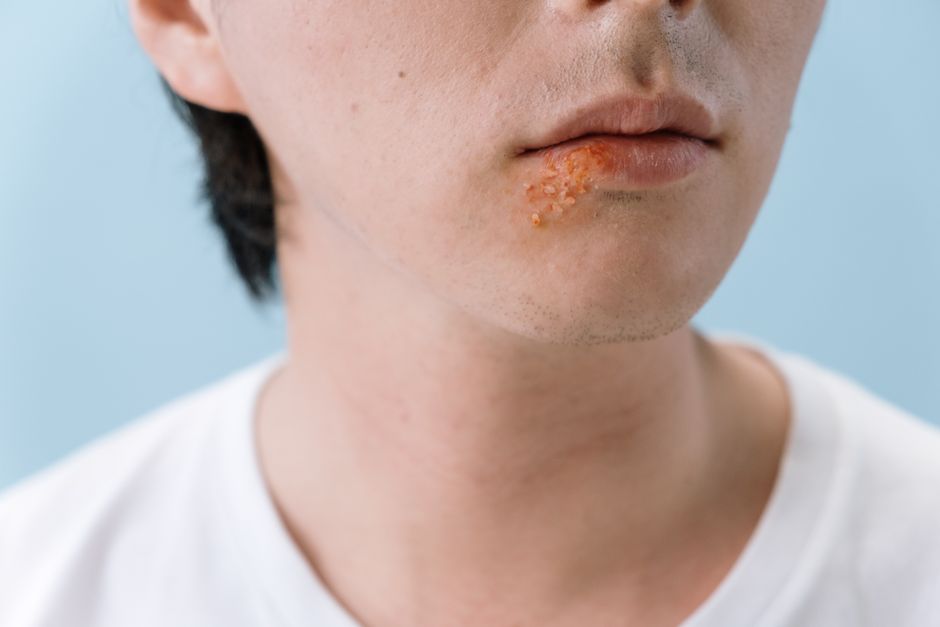
Eczema is already uncomfortable. When bacteria get into cracked, scratched skin, it gets worse — and the change can happen fast. Infected eczema usually looks redder, warmer, and more swollen than a normal flare. You may see yellow or honey-colored crusting, oozing, or small pus-filled bumps. The skin often hurts rather than just itches. Treatment typically means antibiotics plus the same eczema care you would normally use.
That combination matters. Antibiotics alone often do not settle things if the underlying eczema is still flaring. And eczema care alone will not clear a bacterial infection. Both need attention at the same time.
What Does Infected Eczema Look Like?
Infected eczema looks different from a plain flare in specific ways. The skin becomes more inflamed, and the inflammation has a wet, angry quality to it.
Signs to look for:
- Yellow or honey-colored crusting on top of the rash
- Weeping or oozing clear-to-cloudy fluid
- Small pus-filled bumps, sometimes clustered
- Skin that feels hot to the touch
- Swelling that extends beyond the usual rash area
- Pain or tenderness, not just itch
- Red streaks spreading away from the rash
The pain point is worth remembering. Eczema itches. Infection hurts. When a person with eczema starts describing their skin as sore or painful rather than itchy, that shift is a real signal.
One detail that gets missed: infected eczema does not always look dramatic. In darker skin tones, redness can appear more purple, brown, or gray rather than bright red. Swelling and warmth may be the clearer clues. This is a well-documented gap in how skin conditions are taught and assessed, and it leads to delayed recognition.
What Causes Eczema to Become Infected?
The bacterium Staphylococcus aureus causes most infected eczema. This bacterium lives on the skin of many healthy people without causing problems. In eczema, the skin barrier is compromised, so the bacterium can get in and multiply.
Several things make this more likely:
- Scratching. It creates small breaks in the skin that bacteria can enter.
- A damaged skin barrier. Eczema skin loses moisture and holds less protection against microbes.
- Reduced natural defense peptides. Skin produces antimicrobial proteins. In eczema, this defense is often weaker.
- Inflammation itself. Ongoing inflammation changes the skin environment in ways that favor bacterial growth.
This is why eczema and infection are so often linked. It is not a hygiene failure. It is a structural and immune issue.
Herpes simplex virus can also infect eczema skin, causing a separate and more serious condition called eczema herpeticum. It shows up as clusters of small, painful blisters or punched-out sores, often with fever and feeling unwell. This is a medical emergency and needs urgent care. Do not wait to see if it improves on its own.
When Should You See a Doctor?
See a doctor when the signs of infection appear. Do not wait several days to see if it clears. Bacterial skin infections in eczema can worsen quickly, and early treatment is simpler than late treatment.
Go urgently, or call emergency services, if you notice:
- Fever or chills
- Red streaks spreading from the rash
- Rapidly increasing swelling or pain
- Clusters of painful blisters, especially with fever
- Feeling generally unwell, dizzy, or confused
These can signal a deeper or systemic infection. They are not wait-and-see situations.
For milder signs — crusting, oozing, increased redness — contact your doctor promptly. Many cases can be managed with a short course of treatment, but that decision belongs with a clinician who can see the skin.





How Is Infected Eczema Treated?
Treatment usually combines antibiotics with continued eczema care. The exact approach depends on how severe the infection is and how much skin is involved.
Antibiotics. For limited infection, a topical antibiotic may be used. For more widespread infection, oral antibiotics are common. Some oral antibiotics also have anti-inflammatory effects that may help the eczema itself, though this varies by drug. Antibiotic choice and duration are clinical decisions — they depend on the specific situation and local resistance patterns.
Eczema treatment continues. This is not optional. Topical corticosteroids or other anti-inflammatory treatments reduce the flare that allowed the infection in the first place. Stopping eczema treatment during an infection often makes things worse.
Antiseptic washes. Dilute bleach baths are sometimes recommended for people with recurrent infections. This involves adding a small measured amount of household bleach to a full bath. The concentration matters, and it should be set by a clinician — not estimated. Some clinicians recommend this; it is not appropriate for everyone.
Moisturizing. Emollients support the skin barrier and are part of standard eczema care. They do not treat infection, but they help the skin recover.
If eczema herpeticum is suspected, treatment is different. It requires antiviral medication, often given intravenously in severe cases. This is managed in a hospital setting.
Can Infected Eczema Be Prevented?
Prevention focuses on protecting the skin barrier and reducing the conditions bacteria need to grow.
- Keep eczema well controlled. Well-managed eczema has fewer cracks and less opportunity for infection.
- Moisturize regularly, including during flares.
- Keep fingernails short to reduce damage from scratching.
- Treat itching early rather than waiting for it to become unbearable.
- Wash hands before applying creams or touching affected skin.
- Avoid sharing towels, clothing, or bedding during an active infection.
Some people with eczema carry S. aureus on their skin even when they are not infected. This is common and does not mean they are unclean. It does mean that minor breaks in the skin deserve attention.
There is no guaranteed way to prevent every infection. But good eczema control reduces how often they happen.
What Is the Difference Between a Flare and an Infection?
A flare is increased eczema inflammation. An infection is bacteria or virus in the skin. They can look similar at first, and they can happen together.
| Feature | Eczema Flare | Infected Eczema |
|---|---|---|
| Main sensation | Itchy | Painful or sore |
| Color | Red, dry, scaly | Redder, warmer, swollen |
| Surface | Dry, flaky | Oozing, crusting, pus bumps |
| Crust color | White or skin-colored scale | Yellow or honey-colored |
| Spread | Stays in usual areas | May spread or form streaks |
| Systemic signs | None | Fever, chills, feeling unwell |
The pain-versus-itch distinction is one of the most reliable guides. Crusting and oozing are the other strong signals. When in doubt, get it looked at. A clinician can usually tell the difference quickly, and treating an infection early is easier than treating one that has had time to spread.
What Happens If Infected Eczema Is Not Treated?
Untreated bacterial infection in eczema can spread. It can move into deeper skin layers, causing cellulitis — a painful, spreading infection that needs prompt treatment. In rare cases, bacteria can enter the bloodstream.
The risk is higher for people who are immunocompromised, very young, or elderly. But serious outcomes can happen in otherwise healthy people too, especially if treatment is delayed.
Eczema herpeticum is the more urgent concern. If herpes virus infects eczema skin and is not treated, it can spread across large areas of the body and, in rare cases, affect internal organs. It requires antiviral treatment, usually started right away.
The message is not to panic. Most infected eczema clears with prompt treatment. The message is to take the signs seriously and not wait.
Frequently Asked Questions
What does infected eczema look like on the skin?
It usually appears as redder, warmer, more swollen skin with yellow or honey-colored crusting, oozing, or small pus-filled bumps. Pain or soreness rather than itching alone is a common sign.
How do I know if my eczema is infected or just flaring?
A flare is mainly itchy and dry, while an infection tends to be painful, oozing, and crusted. If you are unsure, have a clinician look at it rather than waiting.
Can infected eczema go away on its own?
Mild cases sometimes improve, but bacterial skin infections can spread quickly and are safer treated early. Do not rely on it clearing without medical care.
Is infected eczema contagious?
The infection itself is not spread through the air, but the bacteria involved can pass to others through direct skin contact or shared items like towels. Good hygiene during an active infection reduces that risk.
