
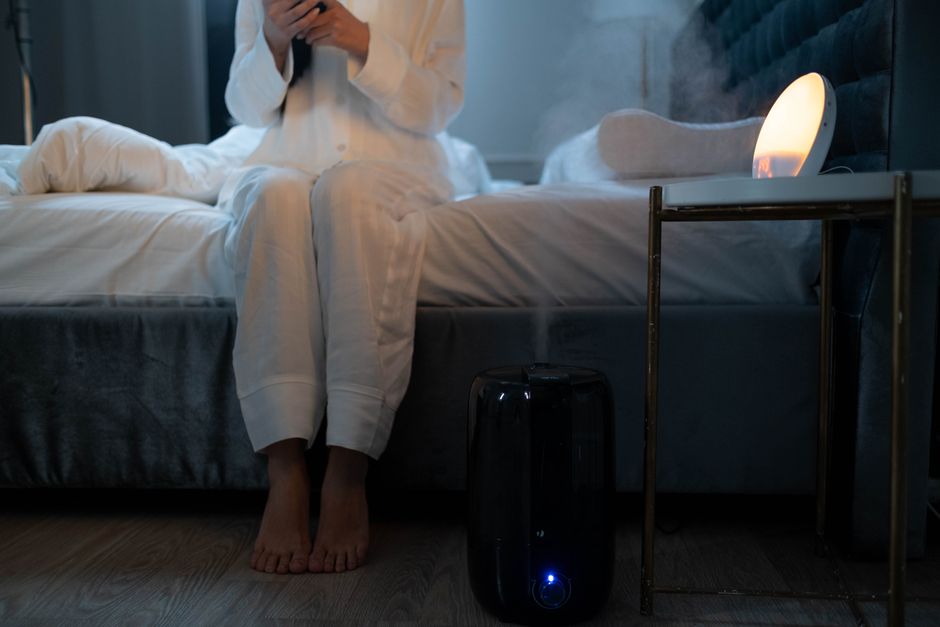
If you find yourself scratching more after the lights go out, you are not imagining it. Itching really does tend to worsen at night for many people, and the reasons are rooted in biology, not bad luck. Body temperature rises, skin loses moisture, the body releases more of certain inflammatory signals, and the brain simply has fewer distractions to compete with the sensation. Understanding why the itch gets worse after dark is the first step toward getting real relief.
Why Do I Itch So Bad At Night?
Several normal body changes converge after dark to make itching more noticeable and often more intense.
Core body temperature tends to rise slightly in the evening as part of the natural sleep-wake cycle. When you get warm, blood flow to the skin increases, and that can amplify itch signals. Sweating adds another layer of irritation, especially if you are under blankets.
The body also follows a daily rhythm in how it releases certain immune and inflammatory chemicals. Some of these, including histamine-related pathways, appear to be more active at night. This is one reason conditions like eczema and hives often feel worse after bedtime.
Then there is the attention factor. During the day, work, conversation, and movement compete for your brain’s attention. At night, the room is quiet, you are lying still, and your brain has little else to process. That quiet makes even a mild itch feel far more urgent.
Skin also loses water overnight. If you sleep in a dry room, moisture evaporates from the skin surface, leaving it drier and more prone to itching by morning.
What Medical Conditions Cause Nighttime Itching?
Nighttime itching can be a symptom of a specific skin condition, a systemic health issue, or simply dry skin. The pattern and location of the itch often point toward the cause.
Skin conditions
- Eczema (atopic dermatitis): Itching is the hallmark symptom and often worsens at night. This is one of the most common reasons people scratch in bed.
- Psoriasis: Itching is common, and heat and sweating can make it worse.
- Hives (urticaria): These raised, itchy welts can flare at night, sometimes triggered by warmth or pressure from bedding.
- Scabies: An infestation of tiny mites that burrow into the skin. Itching is famously worse at night and often affects the hands, wrists, and between the fingers.
- Fungal infections: These tend to itch more when skin is warm and moist.
Systemic causes
Sometimes itching is a signal from inside the body rather than the skin itself. Conditions that can cause generalized itching include liver disease, kidney disease, iron deficiency, thyroid disorders, and some blood cancers. This kind of itching often occurs without a visible rash.
Itching without any rash, especially if it is persistent and widespread, is a reason to see a doctor. It does not automatically mean something serious, but it deserves a proper evaluation.
Is Itching Worse At Night A Sign Of Something Serious?
Most nighttime itching is not dangerous. Dry skin, eczema, and allergies account for the majority of cases.
Certain patterns do warrant medical attention. See a doctor if itching is severe enough to disrupt sleep most nights, if it persists for weeks without an obvious cause, if it comes with unexplained weight loss, fever, or fatigue, or if it appears without any rash or skin changes.
Itching that started after a new medication is also worth reporting. Some drugs, including certain pain relievers and blood pressure medicines, can trigger itching as a side effect.
For most people, though, the cause is something manageable. The key is figuring out which category you fall into.





How Can I Stop Itching At Night?
Relief usually comes from addressing both the skin and the sleep environment. A few changes often make a noticeable difference.
Protect your skin barrier
Moisturize within a few minutes of getting out of the shower, while skin is still slightly damp. This traps water in the skin. Thick ointments and creams generally hold moisture better than thin lotions. Look for fragrance-free products, since added scents can irritate sensitive skin.
Keep showers warm rather than hot, and limit them to a reasonable length. Hot water strips oils from the skin and can make itching worse later.
Cool your sleep environment
Lower the thermostat a few degrees. Choose breathable bedding like cotton, and layer blankets so you can adjust as needed. Overheating is a common trigger for nighttime itch.
A cool compress or a brief cool shower before bed can calm itchy skin. Avoid scratching, which damages the skin and can set off a cycle where scratching leads to more itching.
Reduce irritants
Use fragrance-free detergents and skip fabric softeners. Keep pets out of the bedroom if dander triggers your symptoms. A humidifier can help if the air in your home is dry.
Consider antihistamines carefully
Some people find that certain over-the-counter antihistamines help with nighttime itching, particularly when allergies or hives are involved. The older class of antihistamines can cause drowsiness, which is why some people take them at night. But drowsiness is a side effect, not a treatment for the itch itself, and these medications are not appropriate for everyone. Talk to a pharmacist or doctor before using them regularly, especially if you take other medications or have a health condition.
Antihistamines work best for itch driven by histamine, such as hives and allergies. They are generally less effective for eczema and other types of itch.
Does Scratching Make Nighttime Itching Worse?
Yes. Scratching feels good for a moment because it temporarily overrides the itch signal, but it usually makes things worse.
Scratching damages the skin barrier, which allows irritants and allergens to penetrate more easily. It also triggers the release of inflammatory chemicals that generate more itching. This creates what clinicians call the itch-scratch cycle.
Over time, repeated scratching can thicken the skin and make it even more sensitive. Breaking the cycle is one of the most important goals in managing chronic itch.
Practical ways to interrupt the cycle include keeping fingernails short, wearing soft cotton gloves at night, and using cool compresses instead of scratching. Some people find that gently pressing or tapping the itchy area helps without causing damage.
When Should I See A Doctor About Nighttime Itching?
See a doctor if itching lasts more than two weeks, is severe enough to regularly disrupt your sleep, or comes with a rash that is spreading, blistering, or infected.
You should also seek care if itching is accompanied by fatigue, weight loss, fever, night sweats, or changes in urine or stool color. These can point to an underlying condition that needs evaluation.
For children, persistent nighttime itching should be checked, especially if it affects sleep or school performance.
A doctor can help identify whether the cause is a skin condition, an allergic reaction, a medication side effect, or something systemic. In many cases, a physical exam and a few questions are enough to point toward the right treatment.
Itching is one of the most common reasons people seek dermatology care. It is also one of the most treatable when the underlying cause is identified.
Frequently Asked Questions
Why is itching worse at night?
Body temperature rises, skin loses moisture, inflammatory signals increase, and there are fewer distractions to compete with the sensation. These factors combine to make itching feel more intense after dark.
Can nighttime itching be a sign of something serious?
Most nighttime itching is caused by dry skin, eczema, or allergies. However, persistent itching without a rash can sometimes signal an underlying condition like liver or kidney disease, so it is worth getting checked.
What can I do to stop itching at night?
Moisturize right after showering, keep your bedroom cool, use fragrance-free products, and avoid scratching. A doctor can recommend treatment if these steps do not help.
Do antihistamines help with nighttime itching?
They can help when itching is driven by histamine, such as with hives or allergies. They are generally less effective for eczema and other types of itch, so talk to a doctor before relying on them.
