
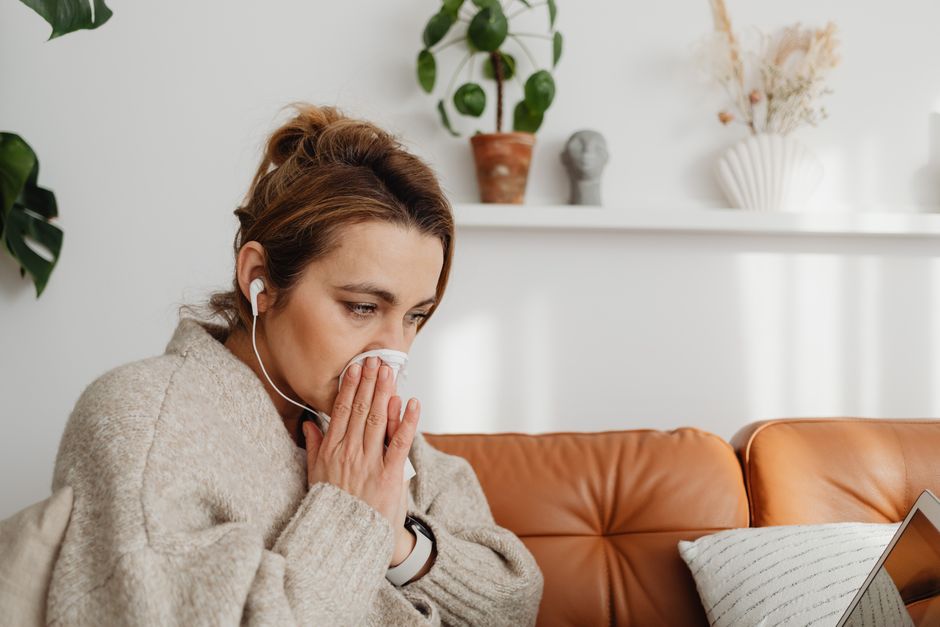
Pollen sneezing happens when tiny grains of tree, grass, or weed pollen land on the lining of your nose. Your immune system mistakes them for a threat and releases histamine, which triggers sneezing, itching, and congestion. The most effective relief combines reducing your exposure to pollen with treatments that block histamine — antihistamines and nasal steroid sprays are the best-supported options.
If you have seasonal allergies, you already know the pattern. You step outside on a breezy spring morning and within minutes the sneezing starts. It is not a cold. It is your body reacting to something that is not actually dangerous.
Why Does Pollen Make You Sneeze?
Sneezing is a reflex. It is your body’s way of expelling something it considers harmful from your nasal passages.
When you have pollen allergy, your immune system produces antibodies called immunoglobulin E (IgE) that recognize specific pollen proteins. These antibodies attach to mast cells in your nose and eyes. When pollen lands there, it binds to the IgE and causes mast cells to release histamine and other chemicals.
Histamine does several things. It makes blood vessels in your nose leak fluid, causing congestion and a runny nose. It stimulates nerve endings, causing itching and sneezing. This whole process is called allergic rhinitis. When it is triggered by pollen, it is commonly called hay fever.
Pollen grains are small enough to stay airborne and travel long distances. Tree pollen tends to peak in spring, grass pollen in late spring and summer, and weed pollen — especially ragweed — in late summer and fall. Wind-pollinated plants produce the lightest pollen, which is the kind most likely to trigger symptoms.
How To Stop Sneezing From Pollen Proven Relief
The most reliable approach is to reduce your exposure and use medications that block the allergic response. Neither strategy alone works as well as combining them.
Nasal corticosteroid sprays are considered the most effective single treatment for allergic rhinitis by most clinical guidelines. They work by reducing inflammation in the nasal lining. They take several days to reach full effect, so they work best when used daily during allergy season rather than only when symptoms flare.
Second-generation antihistamines — the non-drowsy kind — block histamine receptors and reduce sneezing, itching, and runny nose. They work within an hour or two but do not help much with congestion. Common examples include cetirizine, loratadine, and fexofenadine. First-generation antihistamines like diphenhydramine work too but cause significant drowsiness and are generally not recommended for daytime use.
Antihistamine nasal sprays are another option. They act faster than steroid sprays and can be used as needed. Some people find them helpful for breakthrough sneezing.
Combination nasal sprays that contain both a steroid and an antihistamine are also available by prescription. Research has generally found them more effective than either ingredient alone for moderate to severe seasonal allergies.
Saline nasal rinses can help clear pollen from your nasal passages. They are not a treatment for the immune response itself, but they physically remove allergens. Use distilled, sterile, or previously boiled water — never straight tap water — to avoid serious infections.
What Actually Reduces Pollen Exposure?
You cannot avoid pollen entirely, but you can meaningfully lower how much you breathe in.
- Check local pollen counts. Many weather services report them daily. Plan outdoor activities for days when counts are lower, often after rain.
- Keep windows closed during peak pollen hours, typically morning and early evening for many pollens.
- Use air conditioning with a HEPA filter if possible. Change filters regularly.
- Shower and change clothes after spending time outdoors. Pollen collects on hair, skin, and fabric.
- Dry laundry indoors. Line-dried clothes and sheets collect pollen.
- Wear sunglasses or a wide-brimmed hat to keep pollen out of your eyes and hair.
- Wear a mask for yard work or gardening, especially on high-pollen days.
These steps reduce the pollen load but do not eliminate it. For most people with significant allergies, exposure reduction alone is not enough to stop sneezing. It works best as part of a combined approach.



Do Home Remedies for Pollen Sneezing Work?
Some home remedies have modest evidence. Others have none.
Nasal saline irrigation has reasonable evidence for reducing allergy symptoms. It is widely recommended by allergists as a complement to medication. The key safety point is water quality — use only distilled, sterile, or boiled-and-cooled water.
Local honey is a popular remedy. The idea is that eating honey made from local pollen desensitizes you to it. There is no good clinical evidence that this works. The pollen bees collect is from flowers, not the wind-pollinated plants that cause most allergies. Even if it did contain relevant pollen, it would be broken down in your digestive system. No study has confirmed a meaningful benefit.
Neti pots and sinus rinse bottles fall under the same category as saline irrigation — helpful for clearing pollen, but not a substitute for medication if your symptoms are significant.
Steam inhalation and hot showers may temporarily ease congestion. They do not stop the allergic response.
Butterbur has been studied for allergic rhinitis, and some trials showed benefit. However, butterbur plants can contain compounds toxic to the liver, and only specially processed versions are considered safe. Given the availability of well-studied medications, most clinicians do not recommend butterbur as a first option.
When Should You See a Doctor or Allergist?
See a doctor if over-the-counter treatments are not controlling your symptoms, if you are using them more than the label recommends, or if you are unsure whether pollen is actually the cause.
Allergy testing — either skin prick testing or blood tests — can confirm which specific pollens trigger your symptoms. This is useful when symptoms are year-round, when you are considering allergy shots, or when the diagnosis is unclear.
Allergen immunotherapy (allergy shots or sublingual tablets) is the only treatment that can change the underlying immune response over time. It requires a significant commitment — typically several years — and is generally considered for people with moderate to severe symptoms that are not well controlled with medication. It is not a quick fix, and results vary.
If you have asthma along with your allergies, it is especially important to have both conditions managed. Uncontrolled allergic rhinitis can worsen asthma control.
What Makes Pollen Sneezing Worse?
Several factors can amplify your symptoms.
Weather matters. Hot, dry, windy days stir up more pollen. Rain temporarily clears the air but can cause pollen grains to burst and release smaller particles that penetrate deeper into airways.
Air pollution can make allergic rhinitis worse. Diesel exhaust particles and ozone have been shown to increase allergy symptoms in people who are already sensitized.
Alcohol consumption can worsen nasal congestion in some people, though the mechanism is not fully understood.
Certain medications, including some blood pressure drugs and birth control pills, can cause nasal congestion that adds to allergy symptoms.
Stress does not cause allergies, but some research suggests it can worsen symptoms in people who already have them. The evidence here is not strong enough to say stress is a primary driver.
What Does Not Work for Pollen Sneezing?
A few popular approaches lack evidence.
Air purifiers with ionizers or ozone generators are marketed for allergies, but ozone is a lung irritant and can worsen respiratory symptoms. HEPA filters are a better choice because they physically trap particles without producing ozone.
Probiotics for allergy relief have been studied, but results are mixed and no specific strain has strong enough evidence to recommend routinely.
Essential oils and aromatherapy have no clinical evidence for stopping pollen sneezing. Some oils can irritate nasal passages and make symptoms worse.
Acupuncture has been studied for allergic rhinitis. Some trials suggest possible benefit, but results are inconsistent and the quality of evidence is generally low. It is not a replacement for proven treatments.
Frequently Asked Questions
What is the fastest way to stop a pollen sneezing fit?
An antihistamine taken at the first sign of symptoms can reduce sneezing within about an hour. Antihistamine nasal sprays work faster, often within 15 to 30 minutes. Getting indoors and rinsing your nose with saline can also help remove pollen that is still triggering the reflex.
Can pollen allergies be cured?
No, pollen allergies cannot be cured, but allergen immunotherapy can reduce sensitivity over time in some people. It requires years of treatment and does not work for everyone. For most people, management means reducing exposure and using medication during allergy season.
Do air purifiers help with pollen sneezing?
HEPA air purifiers can reduce airborne pollen indoors, which may lower symptoms if you spend most of your time in one room. They do not replace medication for people with significant allergies. Avoid purifiers that produce ozone.
Is it safe to use nasal steroid sprays every day?
Yes, nasal corticosteroid sprays are generally considered safe for daily use during allergy season when used as directed. Long-term use should be discussed with a doctor, especially if you have other health conditions or take other medications.
