
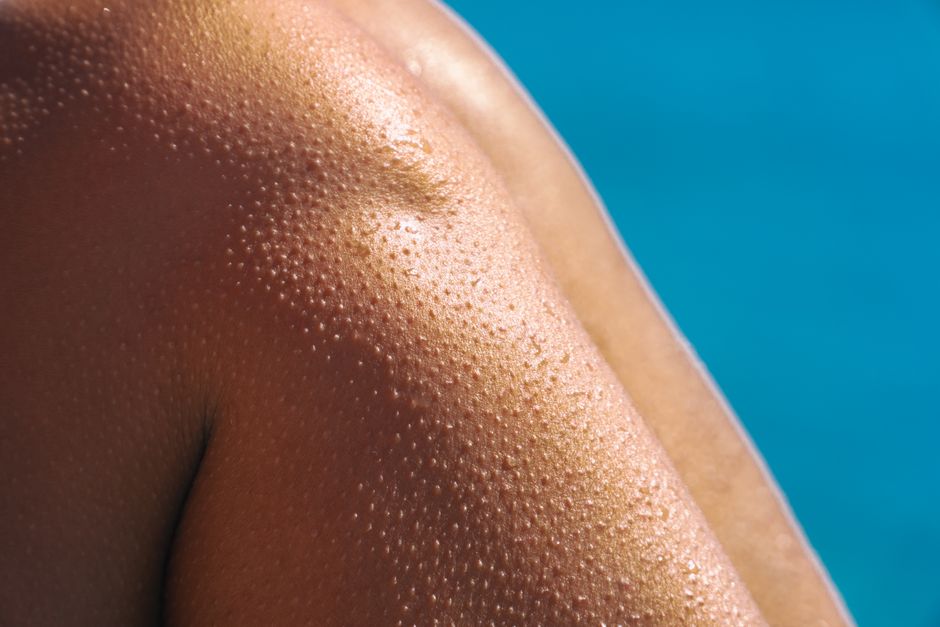
Red bumps on the skin are one of the most common reasons people see a doctor or dermatologist. They can come from clogged pores, inflamed hair follicles, allergic reactions, infections, or long-term skin conditions like eczema and psoriasis. Most are not dangerous, but the cause matters because the right treatment depends on what is actually driving the bump.
Why Do I Have Red Bumps On My Skin Top Causes?
Red bumps form when something irritates or blocks the tiny structures inside your skin. That something is usually one of a handful of well-understood problems.
Here is what is happening in each case.
- Clogged pores (acne). Oil, dead skin cells, and bacteria block a hair follicle. The body responds with inflammation, which shows up as a red bump. Acne is the single most common cause of red bumps on the face, chest, and back.
- Folliculitis. A hair follicle becomes inflamed or infected. It looks like small red bumps or pus-filled spots centered on hair. Shaving, tight clothing, and hot tubs are common triggers.
- Keratosis pilaris. Keratin plugs the opening of hair follicles. This produces rough, tiny, sandpaper-like bumps, usually on the upper arms and thighs. It is harmless and very common.
- Contact dermatitis. Skin reacts to something it touches. Poison ivy, nickel, fragrances, and some cosmetics are frequent culprits. The bumps are often itchy and appear only where contact happened.
- Heat rash (miliaria). Sweat ducts get blocked in hot, humid conditions. Tiny red bumps appear in skin folds and on areas covered by clothing.
- Hives (urticaria). Raised, red, itchy welts that move around and often fade within a day. Foods, medications, and infections can trigger them.
- Eczema and psoriasis. Both are chronic inflammatory skin conditions. Eczema tends to be itchy and red; psoriasis produces raised, scaly plaques.
- Fungal infections. Conditions like tinea or yeast overgrowth can cause red, sometimes ring-shaped bumps.
- Insect bites and scabies. Bites cause localized red bumps. Scabies causes intense itching and a rash, often between the fingers.
- Viral rashes. Many viruses, including those that cause cold sores and chickenpox, produce red bumps as part of the infection.
Less common causes include autoimmune conditions, drug reactions, and some skin cancers. A bump that does not fit any common pattern deserves a professional look.
What Is the Difference Between Acne and Folliculitis?
Both cause red bumps around hair follicles, which is why they are so often confused. The difference comes down to what is blocking or infecting the follicle.
Acne happens when oil glands and dead skin cells plug a follicle. It shows up most on the face, chest, upper back, and shoulders — areas with the most oil glands. Folliculitis is inflammation or infection of the follicle itself, usually from bacteria, fungus, or irritation. It can appear anywhere hair grows, including the scalp, beard area, legs, and buttocks.
One practical clue: acne usually involves blackheads or whiteheads. Folliculitis tends to look like small red bumps or pimples centered on a hair, sometimes with a white head. Shaving, waxing, and tight clothing make folliculitis more likely.
This distinction matters because treatment differs. Acne treatments target oil and clogged pores. Folliculitis treatment depends on whether the cause is bacterial, fungal, or simple irritation.
When Do Red Bumps Mean Something More Serious?
Most red bumps are harmless. A small number of signs suggest you should get medical attention.
See a doctor if bumps come with fever, spreading redness, severe pain, or swelling that worsens quickly. A rash that spreads fast, blisters, or involves the eyes, mouth, or genitals needs prompt care. A bump that bleeds, changes shape, or fails to heal over several weeks should be checked by a dermatologist.
Certain patterns also raise concern. A rash that appears suddenly with difficulty breathing or swelling of the face or throat may signal a serious allergic reaction, which is a medical emergency. Red bumps in someone with a weakened immune system deserve earlier evaluation.
For most people, though, the question is not whether the bumps are dangerous. It is which common cause fits and what to do about it.





How Can You Tell What Is Causing Your Red Bumps?
You can narrow down the cause by paying attention to where the bumps are, what they look like, and what else is happening.
Location is a strong clue. Bumps on the upper arms and thighs that feel rough are usually keratosis pilaris. Bumps on the face and back are often acne. Bumps in skin folds during hot weather point to heat rash. Bumps only where you touched something suggest contact dermatitis.
Appearance helps too. Blackheads and whiteheads mean acne. Bumps centered on hair suggest folliculitis. Ring-shaped patches can indicate a fungal infection. Raised welts that move around are typical of hives.
Timing and triggers matter. A rash that appeared after a new soap, laundry detergent, or jewelry is likely contact dermatitis. Bumps that show up after shaving are usually folliculitis. A rash with a fever suggests an infection.
Itching is another signal. Hives, eczema, and scabies are intensely itchy. Acne and keratosis pilaris are usually not.
What Common Habits Make Red Bumps Worse?
Several everyday habits can trigger or worsen red bumps, and many people do them without realizing the connection.
- Over-washing or scrubbing. Harsh cleansers and rough scrubbing strip the skin barrier and increase irritation.
- Picking and squeezing. This pushes bacteria deeper and can cause scarring and infection.
- Shaving too close or with a dull blade. This irritates follicles and invites folliculitis.
- Wearing tight, non-breathable clothing. This traps sweat and friction, promoting heat rash and folliculitis.
- Using new products without patch testing. New fragrances, dyes, and preservatives are common allergens.
- Ignoring heat and sweat. Staying in damp workout clothes or hot tubs raises the risk of certain rashes.
None of these habits cause every type of bump, but each one is a known trigger for at least one common cause.
Does Diet or Hygiene Cause Red Bumps?
Hygiene and diet get blamed for red bumps far more than the evidence supports. Neither is the main cause of most bumps.
Acne is not caused by dirty skin. Washing more does not clear it and can make irritation worse. The role of diet in acne is debated. Some studies suggest high-glycemic diets and possibly dairy are linked to acne in some people, but the evidence is mixed and no single food causes acne in everyone.
For other conditions, diet plays little or no role. Keratosis pilaris is genetic. Contact dermatitis is caused by direct contact with a trigger, not by what you eat. Hives can occasionally be triggered by foods, but this varies by person.
The honest position: hygiene and diet can influence some skin conditions at the margins, but they are rarely the root cause. Blaming them can delay getting the right answer.
What Actually Helps Red Bumps Go Away?
What helps depends entirely on the cause. There is no single treatment that works for all red bumps, and using the wrong one can make things worse.
For acne, over-the-counter products containing benzoyl peroxide or salicylic acid are commonly used, and some people respond well. For keratosis pilaris, moisturizers with urea or lactic acid can smooth the bumps, though the condition often returns when treatment stops. For contact dermatitis, the fix is identifying and avoiding the trigger. For folliculitis, treatment depends on whether the cause is bacterial, fungal, or irritation.
Some general steps help across many causes: keep skin clean but not scrubbed, avoid picking, use gentle fragrance-free products, and keep skin moisturized. For heat rash, cooling the skin and reducing sweat helps.
Prescription treatments exist for several conditions, including stronger acne medications, topical steroids for eczema, and antifungals for fungal infections. These require a diagnosis first.
It is worth being clear about what the evidence does and does not show. Many popular remedies marketed for red bumps have little or no clinical evidence behind them. If a product promises to clear any bump regardless of cause, that claim does not match how these conditions actually work.
When Should You See a Dermatologist?
See a dermatologist if you are not sure what the bumps are, if they do not improve with basic care, or if they keep coming back. A doctor can often identify the cause by looking at the skin and asking a few questions.
Get seen sooner if bumps are painful, spreading, infected, or accompanied by fever or other symptoms. A skin biopsy or scraping may be needed for some causes, such as fungal infections or unusual rashes.
Getting the right diagnosis is the step that makes everything else work. Most red bumps have a clear cause, and matching treatment to that cause is what actually clears them.
Frequently Asked Questions
What is the most common cause of red bumps on the skin?
Acne is the most common cause, especially on the face, chest, and back. Folliculitis and keratosis pilaris are also very common depending on where the bumps appear.
Are red bumps on the skin usually serious?
Most red bumps are not dangerous and come from common conditions like acne, folliculitis, or contact dermatitis. Bumps with fever, fast spreading, or that fail to heal should be checked by a doctor.
Can poor hygiene cause red bumps?
No, poor hygiene is not the main cause of most red bumps, including acne. Over-washing and scrubbing can actually irritate skin and make bumps worse.
How do I know if my red bumps are acne or something else?
Acne usually involves blackheads or whiteheads and appears where oil glands are densest. Bumps centered on hair, or that appear only after shaving, are more likely folliculitis.
