
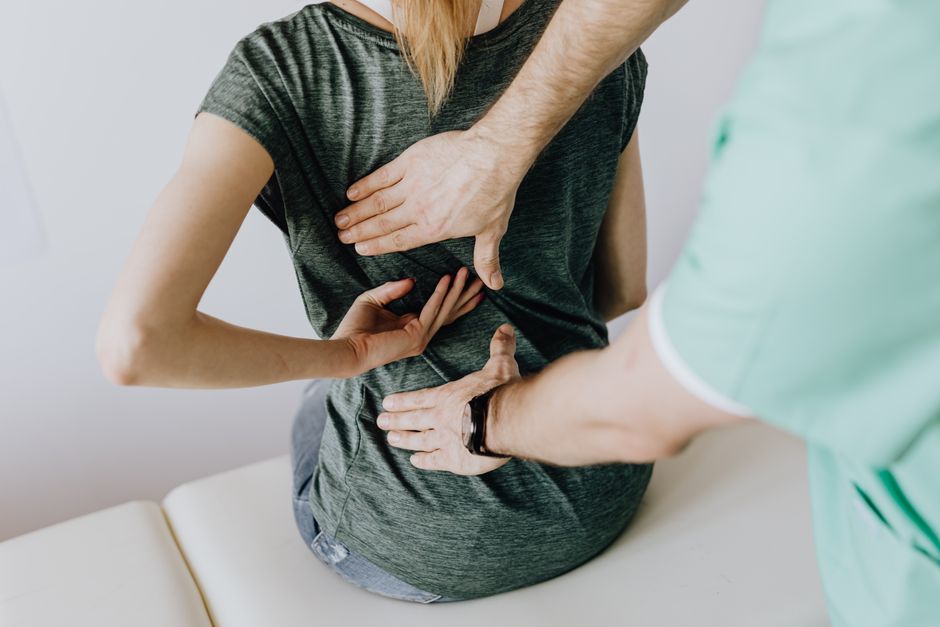
Pain in the back on the right side that flares when you take a breath usually comes from one of four places: the lining around the lung, the muscles and joints of the chest wall, the gallbladder or liver sitting just under the diaphragm, or the kidney on that side. Breathing changes pressure inside the chest and moves the diaphragm downward, which tugs on all of those structures. That is why a deep breath so often makes the pain worse.
The pattern of the pain matters more than its location. Sharp pain that spikes with each breath points toward the lung lining or chest wall. A dull ache that builds after eating points lower, toward the gallbladder. Pain that radiates around to the flank and comes in waves points toward the kidney. Doctors use that pattern, along with a physical exam and imaging, to sort out the cause.
Why Do I Have Pain In My Back Right Side When I Breathe?
Breathing is not just air moving in and out. Each breath pulls the diaphragm down and expands the rib cage, which stretches the pleura — the thin two-layer membrane that lines the lungs and the inside of the chest wall. When that membrane is inflamed, every expansion scrapes the two layers against each other, producing sharp pain. The same motion pulls on the muscles between the ribs, the joints where ribs meet the spine, and the connective tissue around the liver and gallbladder.
That is the core mechanism. The right side has more structures packed under the diaphragm than the left: the liver, the gallbladder, and the right kidney all sit in that region. A problem in any of them can refer pain to the back and worsen with a deep breath.
Doctors call pain that gets worse on inhalation pleuritic pain. It is a symptom, not a diagnosis. It tells you the tissue being stretched is irritated, but not which tissue.
What Causes Sharp Right-Sided Back Pain When Breathing?
Sharp, stabbing pain that appears suddenly and worsens with each breath has a short list of common causes.
Pleuritis is inflammation of the pleura. Viral infections are a frequent trigger. The pain is often described as a catch or stab, worst on deep breaths and coughing, and it may ease when you press on the area or lie on the affected side.
Pneumonia in the right lower lobe can irritate the pleura directly. It usually comes with fever, cough, and feeling generally unwell, but back pain can sometimes be the first thing a person notices.
Pulmonary embolism is a blood clot that lodges in an artery of the lung. It can cause sudden sharp chest or back pain that worsens with breathing, along with shortness of breath. This is a medical emergency. Risk factors include recent surgery, long periods of immobility, active cancer, and a prior clot.
Pneumothorax is a collapsed lung. It causes sudden sharp pain on one side and shortness of breath. It can happen spontaneously in tall, thin young people or after chest injury.
Costochondritis and rib problems affect the chest wall itself. Inflammation where ribs meet the breastbone, a cracked rib, or a strained muscle between the ribs can all produce sharp pain on a deep breath. Pressing on the spot often reproduces it.
What Causes a Dull Ache in the Right Back That Worsens With Breathing?
A dull, steady ache that builds over hours or days and gets worse on a deep breath often points to organs sitting under the diaphragm rather than the lung lining itself.
Gallbladder problems are a common source. The gallbladder sits just below the liver on the right side. Inflammation or stones can irritate the diaphragm, and because the diaphragm shares nerve connections with the shoulder and upper back, the pain can be felt in the right back or shoulder blade. It typically builds after a fatty meal and may come with nausea.
Liver inflammation or enlargement can stretch the capsule around the liver, which is rich in nerve endings. This produces a dull right upper quadrant or back ache that can worsen with deep breathing because the diaphragm pushes down against the liver.
Kidney problems on the right side — infection, stones, or inflammation — cause pain in the flank and back that can worsen with movement and sometimes with deep breaths. Kidney pain often comes in waves and may be accompanied by changes in urination or fever.
This is where the pattern really helps. Gallbladder pain tends to follow meals. Kidney pain tends to come in waves and radiate toward the groin. Liver-related pain tends to be constant and dull.




When Is Right-Sided Back Pain With Breathing an Emergency?
Some causes are emergencies and need immediate care. Do not wait to see if they pass.
Call emergency services or go to an emergency department if you have:
- Sudden severe shortness of breath
- Chest pain that feels like pressure or squeezing, especially with sweating, nausea, or pain spreading to the arm or jaw
- Coughing up blood
- A rapid heart rate along with dizziness or fainting
- Pain and swelling in one leg, which raises concern for a clot that has traveled to the lung
- High fever with shaking chills
These signs point toward conditions — pulmonary embolism, heart attack, pneumothorax, or serious infection — where delay can be dangerous. Sharp pleuritic pain alone is often benign, but it cannot be sorted out at home. A doctor needs to examine you and may order imaging or blood tests.
How Do Doctors Figure Out What Is Causing the Pain?
Doctors start with the story: when the pain began, what makes it better or worse, whether it follows meals, whether there is fever or shortness of breath, and whether you have had recent surgery or long travel. That history narrows the list fast.
A physical exam checks for tenderness over the ribs, listens to the lungs, and presses on the abdomen to see if the liver or gallbladder area is tender. Any of these findings can point toward one system over another.
Common tests include:
- Chest X-ray to look for pneumonia, collapsed lung, or fluid
- Ultrasound of the abdomen to check the gallbladder, liver, and kidneys
- Blood tests for infection, liver function, and kidney function
- CT scan when a clot or more serious cause is suspected
Not every case needs all of these. A clear chest wall cause found on exam may not need imaging at all. A suspected clot needs prompt testing.
What Helps Right-Sided Back Pain When You Breathe?
Treatment depends entirely on the cause, so the first step is getting an accurate diagnosis. What helps one cause can be useless or even harmful for another.
For pleuritis from a viral infection, the pain usually settles as the infection clears. Some clinicians recommend anti-inflammatory pain relievers for comfort, though the evidence for any specific approach is limited and depends on the underlying cause. Rest and time do most of the work.
For a muscle strain or costochondritis, avoiding the movements that trigger the pain and gradually returning to normal activity is the usual approach. Heat or ice may ease discomfort, though evidence for one over the other is weak.
For gallbladder disease, treatment may involve dietary changes or, in many cases, surgery to remove the gallbladder. For kidney stones, treatment depends on the size and location of the stone. For pneumonia, antibiotics are used when a bacterial cause is confirmed.
Do not assume the pain is muscular just because it feels like a strain. If it is not improving, or if it comes with any of the warning signs above, get it checked. The right side of the body holds organs that can cause serious problems, and breathing-related pain is a signal worth taking seriously.
Frequently Asked Questions
Why does my back hurt on the right side when I take a deep breath?
A deep breath stretches the pleura, the membrane around the lungs, and pulls on the diaphragm and chest wall muscles. If any of those tissues — or the liver, gallbladder, or right kidney just below the diaphragm — is irritated, the movement triggers pain.
Is right-sided back pain when breathing a sign of something serious?
It can be. Most cases come from muscle strain, pleuritis, or gallbladder irritation, but a blood clot in the lung, pneumonia, or a collapsed lung can cause the same symptom and need urgent care. Shortness of breath, coughing up blood, or a rapid heart rate with dizziness means you should seek emergency help.
How can I tell if the pain is from my gallbladder or my lung?
Gallbladder pain usually builds after eating, especially fatty foods, and sits under the right rib cage or in the right shoulder blade. Lung-related pain is typically sharp, worse on deep breaths and coughing, and may come with fever or shortness of breath. Only a doctor can confirm which one it is.
When should I see a doctor for this pain?
See a doctor if the pain lasts more than a few days, keeps getting worse, or comes with fever, nausea, or trouble breathing. Go to an emergency department right away for sudden severe shortness of breath, chest pressure, or coughing up blood.
