
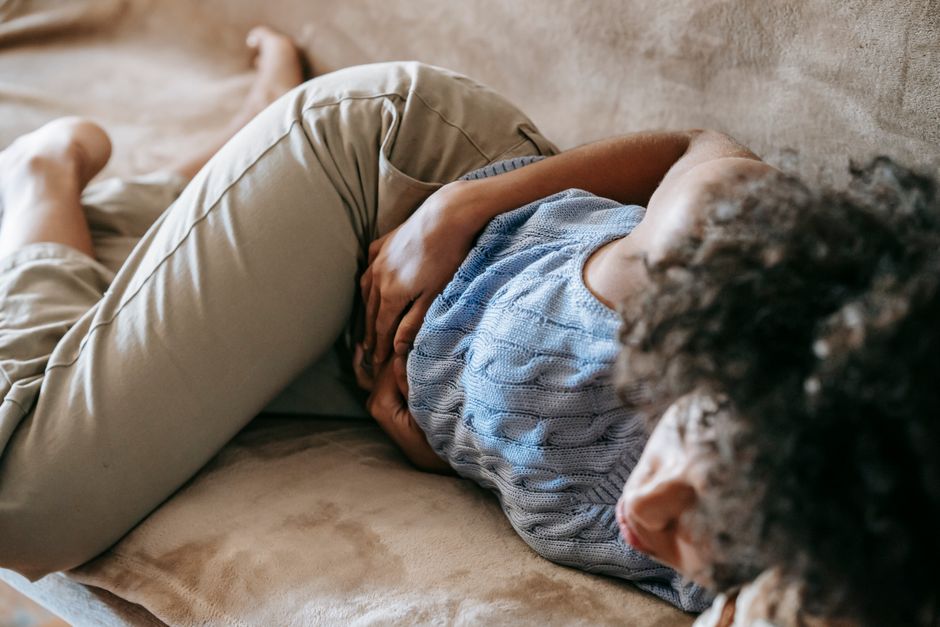
Cramps without a period usually mean your body is going through the hormonal changes of a menstrual cycle, but bleeding hasn’t started yet. The most common reason is that ovulation happened later than usual, which pushes the whole cycle back. Pregnancy is another common cause, and so are stress, weight changes, thyroid problems, and a handful of other conditions. The cramps themselves come from the same muscle contractions that normally cause period pain.
Why Do I Have Cramps But My Period Is Late?
Menstrual cramps come from the uterus contracting. A hormone-like substance called prostaglandin tells the uterine muscle to squeeze, which helps shed the lining during a period. That same squeezing can happen before bleeding starts, which is why you can feel cramps while your period is still “late.”
When your period is delayed, the cramps are usually a sign that the hormonal sequence is still moving forward — just on a slower timeline. The uterine lining is building up, prostaglandin levels are rising, and the muscle is responding. Bleeding may follow within days, or the cycle may reset without a full period.
The key question is why the cycle shifted. That answer varies a lot depending on your age, recent history, and other symptoms. Below are the causes that come up most often, roughly in order of how common they are.
Can You Have Cramps and Still Be Pregnant?
Yes. Cramping is common in early pregnancy, and a missed period is often the first sign. If you’ve had unprotected sex and your period is late, pregnancy is the first thing to rule out.
Early pregnancy cramps can feel like mild period cramps. They happen as the fertilized egg implants in the uterine lining and as the uterus begins to change. Some people also notice light spotting around implantation, which can be mistaken for a period starting.
A home pregnancy test is most reliable after a missed period. Testing too early can give a false negative because the hormone hCG may not be high enough yet to detect. If the first test is negative but your period still doesn’t come, testing again a few days later is reasonable.
One important note: severe or one-sided cramping with bleeding in early pregnancy needs medical attention right away. That combination can signal an ectopic pregnancy, which is a medical emergency.
What Does Late Ovulation Have to Do With Cramps?
Late ovulation is one of the most common reasons for a late period with cramps. The second half of the menstrual cycle — from ovulation to bleeding — is fairly consistent for most people, usually around two weeks. The first half is the part that varies.
If you ovulated a week later than usual, your period will be about a week late too. The cramps you feel are the normal premenstrual contractions, just arriving on a shifted schedule. This is common and usually not a sign of a problem.
Things that can delay ovulation include:
- Stress, even short-term stress
- Illness or infection
- Travel across time zones
- Big changes in sleep or exercise
- Significant weight loss or gain
When ovulation is delayed, the whole cycle stretches out. The cramps are real, but they don’t mean anything is wrong.





Can Stress and Lifestyle Changes Delay Your Period?
Yes. Stress is one of the most well-documented causes of a late period. The body’s stress response involves a hormone called cortisol, and the systems that control stress and reproduction are linked.
When stress is high, the brain can reduce or delay the signal that starts a cycle. This is the same mechanism that causes some people to miss periods entirely during intense periods of life. The cramps you feel are the uterus responding to hormonal changes that are still happening, just on a delayed timeline.
Lifestyle factors work through similar pathways. Major changes in weight, intense exercise, poor sleep, and significant diet shifts can all affect the hormones that regulate the cycle. This isn’t about blame — it’s about how the body prioritizes resources.
If your cycles have been irregular for several months, or if lifestyle changes don’t explain it, it’s worth talking to a clinician. Ongoing irregularity can have causes that need checking.
What Medical Conditions Cause Cramps With a Late Period?
Several conditions can cause cramping and irregular or missed periods. These are worth knowing because some need treatment.
Polycystic ovary syndrome (PCOS) is a common hormonal condition. It can cause irregular periods, delayed ovulation, and cramping. Many people with PCOS have cycles that are long or unpredictable.
Thyroid problems can affect the menstrual cycle in either direction. An underactive or overactive thyroid can change how often and how heavily you bleed, and can delay ovulation.
Uterine fibroids are noncancerous growths in the uterus. They can cause cramping and heavier or irregular bleeding. Not everyone with fibroids has symptoms.
Endometriosis is a condition where tissue similar to the uterine lining grows outside the uterus. It commonly causes significant cramping and can affect cycle regularity.
Pelvic inflammatory disease (PID) is an infection of the reproductive organs. It can cause cramping, unusual discharge, and irregular bleeding. PID needs medical treatment.
If cramping is severe, lasts longer than usual, or comes with fever, unusual discharge, or pain during sex, see a clinician. Those signs point to causes that need to be checked rather than waited out.
How Do Age and Life Stage Affect This?
Your age changes what’s most likely behind a late period with cramps.
In the years after periods first start, cycles are often irregular. It can take a few years for the hormonal rhythm to settle. Late periods with cramps are common during this time and usually not a concern.
In the years leading up to menopause — a phase called perimenopause — cycles often become unpredictable. Periods may be late, early, heavier, or lighter. Cramping can happen with or without bleeding. This is a normal part of the transition, though symptoms that are new or severe should still be checked.
For people in their reproductive years with regular cycles, a single late period is usually not a sign of a problem. A pattern of irregular cycles is more likely to have an underlying cause worth investigating.
When Should You See a Doctor?
Most late periods with cramps resolve on their own. There are specific situations where you shouldn’t wait.
See a clinician if:
- You might be pregnant, especially with severe or one-sided pain
- Cramping is severe or getting worse
- You have fever, unusual discharge, or pain during sex
- Your period is more than a few weeks late and a pregnancy test is negative
- You’ve had irregular cycles for several months
- You’re bleeding heavily or between periods
- You have symptoms like unusual hair growth, weight changes, or fatigue that don’t fit your normal pattern
These signs don’t automatically mean something serious. They mean the cause is worth identifying rather than guessing. A clinician can check hormone levels, rule out pregnancy, and look for conditions that need treatment.
What Can You Do While You Wait?
If you’re not pregnant and the cramps are mild, there are a few reasonable things to try. None of these fix the underlying cause, but they can help with comfort.
Heat is one of the better-supported options for cramp relief. A heating pad or warm bath can relax the uterine muscle. Over-the-counter pain relievers like ibuprofen are commonly used for menstrual cramps, and they work by reducing prostaglandin production. If you’re pregnant or might be, talk to a clinician before taking any medication.
Gentle movement, like walking or light stretching, helps some people. Others find rest more helpful. There’s no single answer that works for everyone.
Tracking your cycle can also help. If you note when your period starts, how long it lasts, and when you feel cramps, you’ll have useful information if you do end up seeing a clinician. Patterns that aren’t obvious day to day become clear over a few months.
Frequently Asked Questions
Can you have cramps and be pregnant but test negative?
Yes, a test can be negative early in pregnancy if hCG levels aren’t high enough yet to detect. Testing again a few days later, or after your missed period, gives a more reliable result.
How late can a period be before it’s a concern?
A single late period is usually not a concern, but if your period is more than a few weeks late and a pregnancy test is negative, it’s worth seeing a clinician. Ongoing irregular cycles over several months should also be checked.
Do cramps mean your period is coming soon?
Often, yes — cramps are a common sign that your period is on the way, usually within a day or two. But cramps can also happen with pregnancy, ovulation, or other conditions, so they aren’t a reliable predictor on their own.
What causes cramps but no period besides pregnancy?
Late ovulation, stress, weight changes, thyroid problems, PCOS, fibroids, and endometriosis are among the common causes. The right answer depends on your age, cycle history, and other symptoms.
