
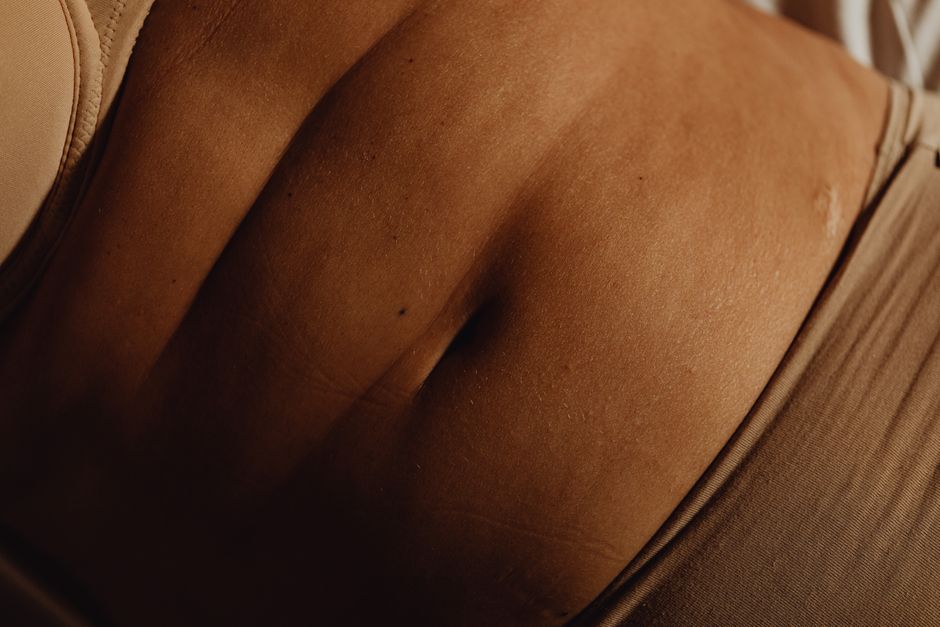
Belly fat that appears or increases after colon resection is usually not the same fat you had before surgery. It is often a mix of post-surgical changes in how the abdomen holds itself, shifts in how the body stores energy after a major operation, and changes in bowel function and activity that follow removal of part of the colon. In many cases the underlying cause is not one single thing. It is several overlapping changes that happen at the same time.
The colon is the large intestine. It absorbs water and electrolytes and stores waste before a bowel movement. When part of it is removed, digestion itself is largely unaffected because the small intestine does most nutrient absorption. What changes is fluid balance, stool consistency, transit time, and sometimes the mechanical structure of the abdominal wall. Those changes can influence weight, body shape, and how the belly looks and feels.
Why Do I Have Belly Fat After Colon Resection?
There are four main reasons belly fat can increase after colon resection: surgical trauma and healing, changes in metabolism and energy use, reduced physical activity during recovery, and a shift in where the body stores fat. These often overlap.
Surgery is a major stress on the body. The incision through skin, fat, and muscle triggers inflammation and a healing response. During healing, the body lays down collagen and can retain fluid in the surgical area. This can make the belly look fuller for weeks to months. Some of this is swelling, not fat. But if it persists, fat storage can increase.
Metabolism can shift after major surgery. The body may enter a catabolic state during recovery, breaking down muscle for energy, then later shift toward storing energy as fat when food intake returns to normal. Loss of muscle mass lowers resting energy expenditure, which means the same calorie intake can lead to more fat storage over time.
Physical activity almost always drops after colon surgery. Recovery takes weeks. Many people are told to avoid heavy lifting for a period set by their surgeon. That reduced movement means fewer calories burned. Over months, that gap can add up.
Finally, fat distribution can change. The body does not store fat evenly. After surgery, especially if there is scar tissue or a change in abdominal pressure, fat may accumulate more visibly around the middle even if total body weight has not changed much.
Is It Fat, Swelling, or Something Else?
It can be hard to tell. A full or protruding belly after colon resection is not automatically fat. Several other things can cause it.
- Post-surgical swelling from fluid retention and inflammation, common in the first weeks to months
- Scar tissue and adhesions that change how the abdominal wall moves and sits
- Incisional hernia, where tissue pushes through a weak spot in the surgical scar
- Bloating from bowel changes, which can look like fat but is gas or fluid
- Actual fat accumulation from weight gain and metabolic shifts
An incisional hernia is worth knowing about because it is not fat and it does not go away on its own. It can appear as a bulge near the scar that may get bigger when you cough, stand, or strain. Some hernias are painful. Some are not. If you notice a new bulge at or near your surgical scar, that is a reason to contact your surgeon rather than assume it is weight gain.
Bloating from bowel changes is also common. After part of the colon is removed, the remaining bowel adapts. Gas, stool frequency, and consistency can change. That can make the belly look and feel larger without any change in body fat.
How Does Colon Resection Change Digestion and Weight?
The small intestine absorbs most nutrients. The colon mainly absorbs water and electrolytes and forms stool. So removing part of the colon usually does not cause malabsorption of calories or nutrients in the way that removing part of the small intestine can.
What does change is water absorption. With less colon, stool can be looser and more frequent. Some people eat less because of discomfort or fear of symptoms. Others eat more because they feel hungry or because their routine changes.
Weight change after colon resection goes in both directions. Some people lose weight, especially in the first weeks. Others gain weight over the following months. There is no single expected outcome. It depends on the reason for surgery, how much colon was removed, your baseline health, and what happens during recovery.
If the surgery was for colon cancer, treatment may also include chemotherapy or other therapies. Some of those treatments can affect appetite, energy, and body composition. That adds another layer to why weight and body shape change.




Does Losing Muscle After Surgery Matter?
Yes, and it is often overlooked. Major surgery and the recovery period can cause muscle loss, especially if you are less active and eating less protein than usual. Muscle burns more calories at rest than fat does. When muscle mass drops, resting energy expenditure drops with it.
That means you can return to your normal eating pattern and still gain fat, because your body is now burning fewer calories at rest. This is one of the less obvious reasons belly fat can increase after colon resection. It is not just about eating more. It is about the body needing fewer calories than before.
Preserving muscle during recovery matters. That usually means eating enough protein and moving as much as your surgical team allows. Specific protein targets after surgery vary, and your surgeon or a dietitian can give you guidance based on your situation. General protein needs are not the same as post-surgical needs, so this is a case where individual advice is more useful than a general number.
What Role Do Activity and Diet Play?
Activity and diet are the two factors you have the most control over, but they are also constrained by recovery. You cannot exercise your way out of surgical healing. You have to heal first.
Once cleared by your surgeon, gradual return to movement helps. Walking is usually the first step. It supports circulation, bowel function, and mood. Over time, adding resistance or strength work helps rebuild muscle. That in turn supports resting metabolism.
Diet after colon resection often needs adjustment. Fiber is a common question. Some people are told to limit fiber right after surgery and add it back slowly. Others tolerate fiber well. There is no single rule that fits everyone, and guidance depends on how much colon was removed and how your bowel responds.
Hydration matters more after colon resection because the colon absorbs less water. Drinking enough fluids supports stool consistency and overall function. How much you need varies with your body size, activity, climate, and what your doctor advises.
When Should You Talk to Your Doctor?
Talk to your surgeon or doctor if you notice a new bulge at your scar, increasing pain, fever, vomiting, or a change in bowel habits that does not settle. These can signal a hernia, obstruction, or infection. They are not things to watch at home.
Also talk to your doctor if weight gain is rapid, unexplained, or comes with swelling in the legs or shortness of breath. Those can point to fluid retention or other conditions that need evaluation. Belly fat after colon resection is often a mix of normal recovery changes and gradual weight gain, but not always.
If weight gain is gradual and you feel well, it is still reasonable to mention it at a follow-up visit. Your doctor can help separate fat from swelling, check for hernia, and review whether any medications or conditions are contributing.
What Can You Realistically Do About It?
There is no fast fix, and anyone promising one is overselling. The realistic approach is gradual and depends on where you are in recovery.
- Follow your surgeon’s activity restrictions until you are cleared
- Return to walking as early as your team allows
- Add strength work once cleared to rebuild muscle
- Eat enough protein to support healing and muscle
- Stay hydrated, since the colon absorbs less water
- Add fiber back gradually and based on your own tolerance
- Keep follow-up appointments so changes can be checked
Progress is usually slow. Muscle takes weeks to months to rebuild. Fat loss takes time too. Expecting rapid change after major surgery is not realistic, and pushing too hard too soon can cause setbacks.
One thing worth saying plainly: the number on the scale does not tell the whole story after colon resection. Body composition can shift even when weight stays the same. Muscle can drop while fat rises. That is why how you feel, how your clothes fit, and what your doctor finds on exam can matter more than a single weight reading.
Frequently Asked Questions
Is belly fat after colon resection normal?
Some increase in belly size during recovery is common, but it is often a mix of swelling, bloating, and fat rather than fat alone. Persistent or growing belly size should be checked by your doctor.
Can colon resection cause weight gain?
It can, though weight change goes both ways after this surgery. Loss of muscle, reduced activity during recovery, and shifts in energy use can all contribute to fat gain over time.
How do I know if it is a hernia or fat?
A hernia usually appears as a bulge at or near the surgical scar and may get bigger with coughing or straining. Only a doctor can tell the difference, so a new bulge should be evaluated.
Does removing part of the colon affect metabolism?
The colon mainly absorbs water and electrolytes, so it does not directly control metabolism. Indirect effects from surgery, muscle loss, and activity changes can affect how the body uses energy.
