
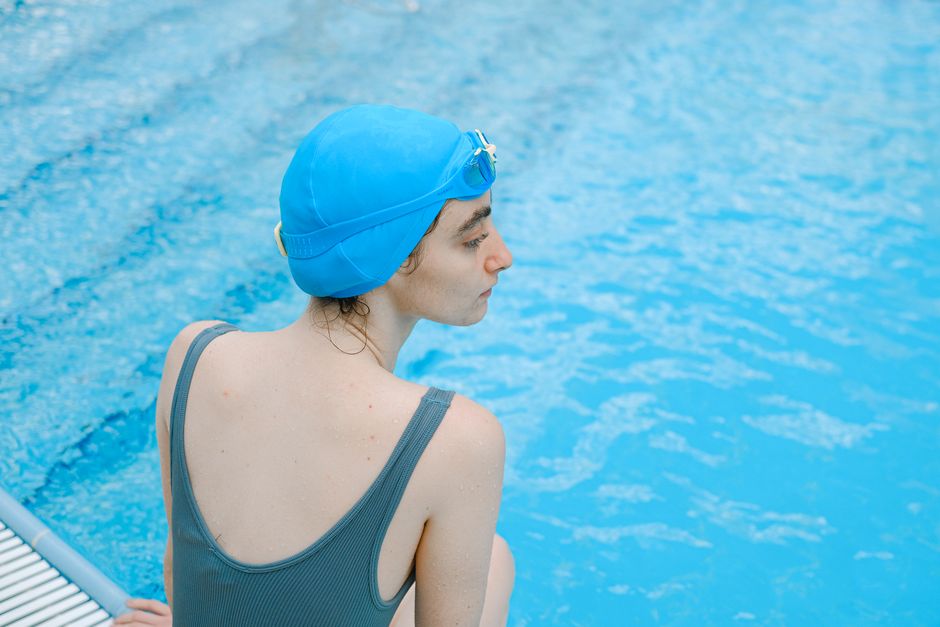
Swimming is supposed to leave you feeling refreshed, not pounding with pain. If you surface from the pool or the ocean with a headache, you are not imagining it. Several distinct physical triggers—from light glare to neck strain to chemical exposure—can cause head pain during or after a swim. Identifying the specific type of pain you feel is the first step to preventing it.
What Causes a Headache After Swimming?
Most swimming-related headaches fall into one of a few clear categories. The most common is exertion headache, which happens when you push your body harder than usual. The second is external compression headache, caused by tight goggles or swim caps pressing on nerves in your head. The third involves your environment—bright sunlight, cold water, or pool chemicals.
Each cause has a different pain signature. Exertion headaches feel like a throbbing pressure on both sides of the head. Goggle headaches feel like a sharp pain exactly where the straps sit. Chemical or glare-related headaches often build slowly and feel like a dull ache behind the eyes.
Some swimmers also experience neck strain that radiates upward into the skull. This happens when you keep your head lifted while breathing or when you swim with poor form. The muscles at the base of the skull tighten, and the pain spreads upward.
Is It a Goggle Headache or Something Else?
Goggle headaches are extremely common and easy to spot. The pain follows the exact line of the strap across the back of the head or the bridge of the nose. The strap compresses the greater occipital nerve, which runs along the back of the skull. When that nerve is squeezed, pain shoots up the back of the head.
The fix is usually simple. Loosen the strap so it sits comfortably without digging in. Some swimmers switch to goggles with a wider strap that distributes pressure over a larger area. If the pain disappears shortly after removing the goggles, the diagnosis is clear.
Swim caps can cause the same problem. Tight caps, especially latex ones, compress the same nerves. If you wear a cap and goggles together, the combined pressure can be significant.
Why Does Pool Chlorine Give Me a Headache?
Chlorine itself is not the direct cause of most pool headaches. The real culprit is often chloramine, a compound that forms when chlorine reacts with sweat, urine, and body oils in the water. Chloramines are what create that strong “pool smell.” They are also respiratory irritants.
Indoor pools with poor ventilation have higher chloramine concentrations in the air above the water. Swimmers breathe this air continuously. The irritation triggers sinus inflammation and can lead to a headache that builds over the session and lingers afterward.
Outdoor pools present a different problem. The bright glare off the water can trigger a migraine in people who are sensitive to light. Wearing tinted goggles or a cap with a visor can reduce this trigger significantly.





Can Cold Water or Cold Weather Cause a Headache?
Yes. Sudden exposure to cold can cause a type of headache known as cold-stimulus headache. You might know it as “brain freeze” from eating ice cream, but it can also happen when cold water hits your face or when you swim in a cold lake or ocean.
The mechanism involves rapid constriction and dilation of blood vessels in the head. The pain is usually sharp and brief, lasting a few minutes. It is not dangerous, but it can be unpleasant.
Cold water also causes you to tense your neck and shoulder muscles involuntarily. That tension can build into a muscle strain headache that lasts for hours after you get out of the water.
What Is an Exertion Headache From Swimming?
Exertion headaches are triggered by physical activity. Swimming is a full-body workout, and if you increase your intensity or duration suddenly, you can trigger one. The pain is typically throbbing and felt on both sides of the head.
These headaches happen because intense exercise increases pressure inside the skull. Blood vessels dilate to supply more oxygen to the brain, and the increased blood flow raises intracranial pressure. For most people, this is harmless and passes quickly.
However, a sudden, severe exertion headache—especially one that comes on like a “thunderclap” at peak effort—warrants medical attention. In rare cases, it can signal a more serious underlying condition such as a vascular problem. If your headache is the worst you have ever had, do not dismiss it.
How to Prevent a Headache After Swimming
Prevention depends on identifying your specific trigger. If goggles are the issue, adjust them or switch styles. If exertion is the trigger, pace yourself and build intensity gradually over several sessions rather than jumping straight into sprints.
Staying hydrated matters. Mild dehydration is common during swimming because you do not notice sweating in the water. Drink water before and after your swim, not just when you feel thirsty.
For indoor pool headaches, take breaks to get fresh air. Swim near a window or ventilation vent if possible. Showering immediately after swimming and rinsing your hair can reduce lingering chemical exposure.
If you are prone to migraines, wear tinted goggles outdoors and consider taking your usual preventive measures before a swim. For cold water swimmers, wearing a neoprene cap can reduce cold-stimulus headaches.
When Should You See a Doctor About Swimming Headaches?
Most swimming headaches are harmless and resolve quickly. But some warning signs require medical evaluation. Seek care if your headache lasts more than 24 hours, if it is the worst headache you have ever experienced, or if it comes with vomiting, confusion, weakness, or vision changes.
Headaches that occur every time you swim, even with preventive changes, also deserve a medical look. A doctor can help identify whether the cause is mechanical, environmental, or something requiring further investigation.
If you have a known history of migraines, swimming is often a beneficial exercise, but you should work with your doctor to manage triggers. For most people, the right goggles, proper hydration, and gradual training intensity are enough to keep swim-related headaches away.
Frequently Asked Questions
Why does my head hurt after swimming in a pool?
Pool headaches usually come from tight goggles pressing on nerves, chloramine exposure in the air, or glare off the water. Identify which trigger matches your pain pattern and address that specific cause.
Can swimming cause a migraine?
Yes, swimming can trigger migraines in people who are sensitive to bright light, physical exertion, or dehydration. Wearing tinted goggles and staying hydrated may reduce the risk.
Are swimming headaches dangerous?
Most are harmless and pass within a few hours. A sudden, severe headache at peak exertion, or one with vomiting or confusion, requires immediate medical attention.
How do I stop goggles from giving me a headache?
Loosen the strap so it does not compress the back of your skull, and consider goggles with a wider strap. The pain should stop within minutes of removing them.
