
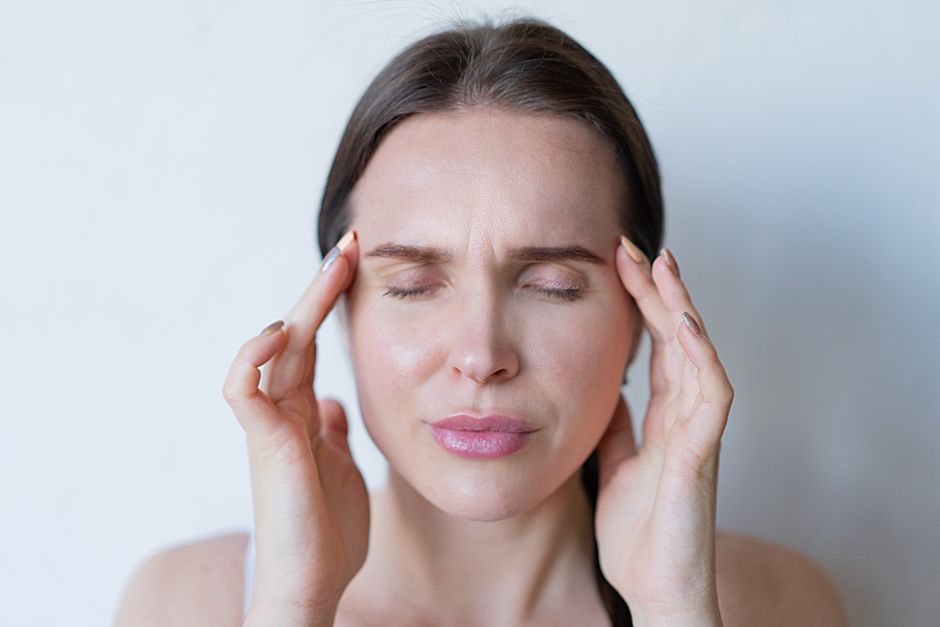
Waking up with a headache is a frustrating way to start the day. It can ruin your morning before you even get out of bed. Morning headaches are common, but they are not normal. They are a signal that something in your sleep or your health needs attention. The causes range from simple issues like dehydration to more serious conditions like sleep apnea. Understanding why it happens is the first step to stopping it.
Why Do You Have A Headache When I Wake Up
Morning headaches have a distinct pattern. They are different from headaches that strike during the day. Most morning headaches are tension-type headaches or migraines. Research consistently shows that the early morning hours are a prime time for migraines to occur. This timing is not random. It is linked to your body’s natural sleep-wake cycle, known as the circadian rhythm.
Your body temperature, blood pressure, and hormone levels change during sleep. These changes can trigger pain pathways in the brain. For example, cortisol levels drop in the early morning. This drop can make blood vessels in the brain dilate, which can trigger a migraine. If you wake with a headache every day, it is worth investigating. Frequent morning headaches are linked to underlying sleep disorders in many cases.
What Are the Most Common Causes of Morning Headaches?
Several well-established causes explain most morning headaches. Sleep apnea is one of the most significant. This condition causes you to stop breathing briefly during sleep. Your blood oxygen levels drop, which strains your body. The headache you feel in the morning is a direct result of this nighttime oxygen deprivation. Studies have found that a large percentage of people with chronic morning headaches also have sleep apnea.
Insomnia and poor sleep quality are also major culprits. Your brain needs deep sleep stages to recover. If you wake frequently during the night, you miss out on this restorative sleep. The result can be a dull, throbbing headache upon waking. Bruxism, which is teeth grinding or jaw clenching during sleep, is another common cause. The intense muscle tension in your jaw and temples can radiate pain upward into your head by morning.
Dehydration is a simpler and very common trigger. You do not drink water for eight hours while you sleep. If you were already slightly dehydrated before bed, you will likely wake up more dehydrated. This fluid loss can cause your brain to pull away from your skull slightly, creating pain. Alcohol before bed makes this worse because it is a diuretic, causing you to lose more fluid overnight.
Can Your Sleep Position Cause a Headache?
Your sleep position matters more than most people realize. Sleeping with your neck twisted or your head at an awkward angle strains the muscles in your neck and shoulders. This strain can trigger what is called a cervicogenic headache. This type of headache starts in the neck but is felt in the head. Waking up with a stiff neck alongside your headache is a strong clue that your pillow is the problem.
Your pillow needs to keep your spine aligned. If it is too thick or too flat, your neck muscles work all night to compensate. This constant tension builds up and results in a headache by morning. Some evidence suggests that side sleepers and back sleepers need different pillow heights. If you wake with neck pain and a headache, adjusting your sleeping surface is a reasonable first step. It is a common clinical recommendation, though individual results vary.





What Role Do Medications and Substances Play?
Medication overuse is a hidden cause of morning headaches. This is known as medication-overuse headache, or rebound headache. Pain relievers like ibuprofen or acetaminophen are effective when used occasionally. If you take them more than two or three days a week, your body can adapt. When the medication wears off overnight, you experience withdrawal-like symptoms that manifest as a morning headache. This creates a vicious cycle where you wake in pain, take medication, and repeat the pattern.
Caffeine is another factor with a fine line. Caffeine constricts blood vessels. Regular caffeine drinkers experience a rebound effect if they sleep later than usual. The delayed caffeine intake causes blood vessels to dilate, triggering a headache. This is why you might get a headache on weekends when you sleep in. Alcohol is also problematic, not just for dehydration but for its effect on sleep architecture. It disrupts REM sleep and can cause fragmented sleep, both of which contribute to morning headaches.
Is It a Migraine or Something More Serious?
Differentiating between a migraine and a tension headache is important. Migraines are more intense and often one-sided. They frequently come with nausea, sensitivity to light, and sensitivity to sound. Tension headaches feel like a tight band around your head. They are usually milder and affect both sides. Migraines are particularly common in the early morning because of the drop in natural pain-relieving hormones during sleep.
Most morning headaches are not dangerous. However, some require immediate medical attention. A sudden, severe headache that you describe as the worst headache of your life is a red flag. So is a headache accompanied by confusion, weakness, vision changes, or difficulty speaking. If you have a headache that wakes you from sleep consistently, or if it is accompanied by a fever and stiff neck, seek medical care promptly. These symptoms can indicate serious conditions that need urgent evaluation.
How Can You Prevent Headaches in the Morning?
Prevention starts with identifying your specific trigger. Keeping a headache diary is a practical and effective tool. Record what you ate, how much you slept, your stress level, and when the headache occurred. After two weeks, patterns often become clear. This information is also valuable if you see a doctor about your headaches.
Improving sleep hygiene is the most broadly effective strategy. Go to bed and wake up at the same time every day, including weekends. Keep your bedroom cool, dark, and quiet. Avoid screens for at least an hour before bed, as blue light suppresses melatonin production. Limit alcohol and caffeine in the evening. If you snore heavily or feel tired despite a full night’s sleep, ask your doctor about a sleep study. Treating sleep apnea often resolves morning headaches completely.
Stay hydrated throughout the day, not just at night. Drinking a glass of water before bed is helpful, but it is not a replacement for consistent daytime hydration. If you grind your teeth, ask your dentist about a mouthguard. This simple device can reduce jaw tension significantly. For some people, a warm shower or gentle neck stretches in the morning can ease residual tension.
What Treatments Work for Morning Headaches?
Treatment depends on the cause. For occasional morning headaches, over-the-counter pain relievers are appropriate. Take them as directed on the label. Do not exceed the recommended dose, and do not use them more than a few days per week. If you are taking pain relievers daily for headaches, talk to your doctor. You may be experiencing rebound headaches, and stopping the medication may be necessary under medical supervision.
Prescription treatments are available for frequent migraines. These include preventive medications taken daily to reduce headache frequency. There are also acute treatments, known as triptans, that stop a migraine once it starts. These require a prescription and a proper diagnosis. If your morning headaches are tied to anxiety or stress, cognitive behavioral therapy has shown benefit in some studies. This approach addresses the underlying tension that contributes to headache frequency.
When Should You See a Doctor?
You should see a doctor if your morning headaches occur more than twice a week. You should also seek medical advice if they interfere with your daily function or if they get progressively worse over time. A doctor can rule out serious causes and recommend appropriate treatment. If you have not had your eyes checked recently, an eye exam is worth considering. Uncorrected vision problems can cause eye strain that leads to headaches, particularly after reading or screen time before bed.
If you have high blood pressure, monitor it in the morning. A significant morning spike in blood pressure can cause headaches. This is an important sign that your blood pressure medication may need adjustment. Do not change your medication without consulting your doctor. Morning headaches are a symptom, not a diagnosis. Treating the underlying cause is the only way to achieve lasting relief.
Frequently Asked Questions
Why do I wake up with a headache every day?
Daily morning headaches are often linked to an underlying sleep disorder like sleep apnea or to medication overuse. Poor sleep quality, dehydration, and teeth grinding are also common daily triggers.
Can dehydration cause a headache when I wake up?
Yes, dehydration is a common cause of morning headaches because you go several hours without fluids during sleep. Even mild fluid loss can trigger a headache in sensitive individuals.
What does a sleep apnea headache feel like?
A sleep apnea headache is typically a dull, pressing pain on both sides of the head. It usually resolves within a few hours of waking and is often accompanied by loud snoring and daytime fatigue.
Is it dangerous to wake up with a headache?
Most morning headaches are not dangerous and are caused by treatable conditions. Seek immediate medical care if the headache is sudden and severe, or if it comes with confusion, weakness, or vision changes.
