
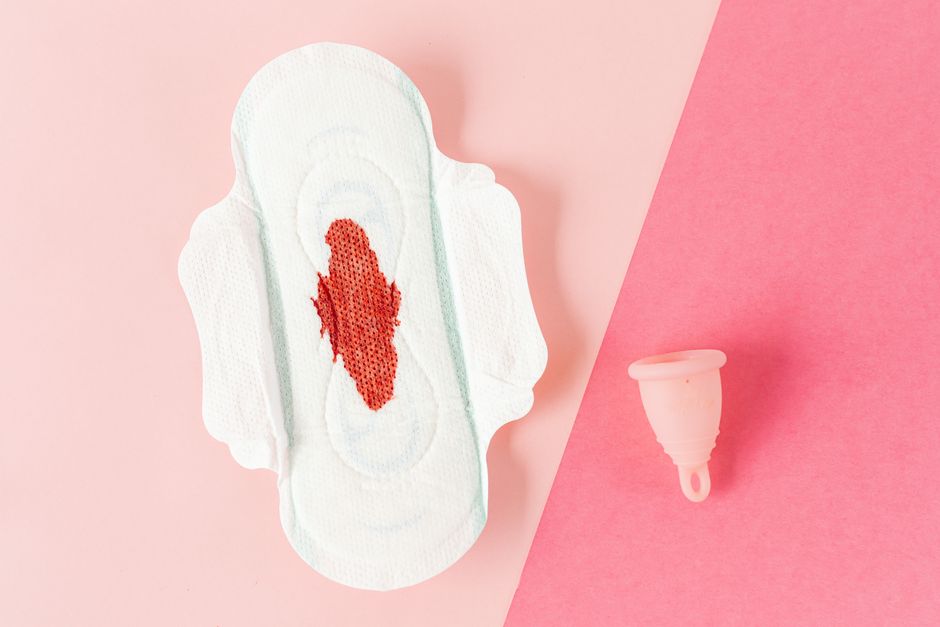
If you notice your mood dropping in the days before your period, you are not imagining it and you are not being dramatic. The sadness comes from real biological events: after ovulation, levels of the hormones estrogen and progesterone rise, then fall sharply if pregnancy does not occur. That sharp fall changes brain chemistry in ways that can affect mood, and for some people it triggers a recognizable pattern of depression, irritability, or anxiety that lifts within a few days of bleeding.
For most people, these symptoms are mild and pass. For a smaller group, the same hormonal shift causes symptoms severe enough to disrupt work, relationships, and daily life. That more serious form has a name: premenstrual dysphoric disorder, or PMDD.
What Actually Happens in the Brain Before Your Period?
The menstrual cycle runs on a hormonal rhythm. Estrogen and progesterone climb in the second half of the cycle, called the luteal phase, then drop if no pregnancy occurs. That drop is the trigger for premenstrual symptoms.
What matters is not just the hormones themselves but how the brain responds to them. Estrogen and progesterone influence serotonin, the chemical messenger involved in mood regulation. When hormone levels fall, serotonin activity can shift too. This is one reason mood symptoms cluster in the days right before bleeding starts, rather than randomly through the month.
Progesterone also breaks down into a compound called allopregnanolone. This substance acts on the same brain receptors that anti-anxiety drugs and alcohol affect. In most people it has a calming effect. In people with PMDD, research suggests the brain may respond to allopregnanolone differently, producing irritability or sadness instead of calm. This is one of the leading theories for why PMDD happens, though researchers are still working out the exact mechanism.
Here is a point that surprises many people: the problem does not appear to be too much or too little hormone. Studies comparing hormone levels in women with and without PMDD generally find similar amounts circulating in the blood. The difference seems to lie in how sensitive the brain is to normal hormonal shifts. That is why a standard hormone blood test often comes back normal even when symptoms are severe.
Why Do I Get Sad Before My Period PMS And PMDD?
PMS and PMDD sit on the same spectrum, but they differ in how severe the symptoms are and how much they interfere with life. PMS is common. PMDD is far less common and much more disruptive.
The core reason for the sadness is the same in both: the late-cycle drop in estrogen and progesterone, combined with the brain’s individual response to that drop. What separates PMS from PMDD is the intensity of that response and whether it meets specific diagnostic criteria.
PMDD is recognized as a distinct diagnosis in the Diagnostic and Statistical Manual of Mental Disorders. To meet the criteria, a person must have marked irritability, sadness, or anxiety in the week before their period, with symptoms improving within a few days of the period starting and being minimal or absent in the week after. The symptoms must be severe enough to cause real distress or interference with work, school, or relationships.
It is worth being precise here: PMDD is not simply bad PMS. It is a separate clinical condition with its own diagnostic threshold. Some clinicians describe it as a mood disorder that is triggered by the menstrual cycle, and it can be serious enough that some people experience thoughts of self-harm.
What Are the Symptoms of PMS and PMDD?
PMS and PMDD share many symptoms. The difference is severity, duration, and impact.
Common symptoms in both include:
- Sadness, hopelessness, or tearfulness
- Irritability or anger
- Anxiety or tension
- Mood swings
- Fatigue or low energy
- Difficulty concentrating
- Changes in appetite or food cravings
- Sleep problems
- Breast tenderness, bloating, or headaches
In PMDD, these symptoms are typically more intense. A person may feel a sense of hopelessness, marked anger, or a feeling of being out of control. Symptoms usually begin in the week before the period and ease within a few days of bleeding starting. The timing is what makes the pattern recognizable.
If sadness or anxiety is present all month and only gets worse before your period, that points to a different situation. A mood disorder that is always present but worsens premenstrually is not the same as PMDD, where symptoms are absent or minimal in the week after the period. This distinction matters because it changes how the problem is treated.





How Is PMDD Diagnosed?
There is no blood test or scan that diagnoses PMDD. Diagnosis is based on the pattern of symptoms over at least two menstrual cycles.
The most reliable approach is tracking. A person records their mood and physical symptoms daily for two or more months. This reveals whether symptoms cluster in the luteal phase and clear after bleeding starts. A clinician uses that record, along with a clinical interview, to make the diagnosis.
This tracking step is not busywork. Because hormone levels often look normal, the pattern over time is the evidence. Some clinicians also ask about depression and anxiety that occur at other times of the month, to rule out a condition that is simply worse before the period rather than caused by it.
If you suspect PMDD, tracking for two cycles before an appointment gives your clinician something concrete to work with. It also helps rule out other conditions that can mimic the pattern, such as thyroid problems, anemia, or a primary mood disorder.
What Helps With PMS and PMDD?
Treatment depends on how severe the symptoms are. For mild PMS, lifestyle measures and symptom tracking are often enough. For PMDD, more targeted treatment is usually needed.
Approaches that have evidence behind them include:
- Selective serotonin reuptake inhibitors (SSRIs). These are among the most studied treatments for PMDD. They can be taken daily or only during the luteal phase, depending on what a clinician recommends. They are not the same as treating depression, and they can work faster for PMDD than for depression.
- Hormonal approaches. Some hormonal contraceptives and other hormonal treatments reduce symptoms by stabilizing the cycle. Not all hormonal methods help, and some can worsen mood, so this is a decision to make with a clinician.
- Cognitive behavioral therapy. This can help with coping and mood regulation, particularly for the emotional symptoms.
- Regular exercise, consistent sleep, and reduced caffeine and alcohol. These are commonly recommended and can help with general symptom burden, though the evidence for them specifically in PMDD is more limited than for SSRIs.
It is honest to say that no single approach works for everyone, and what helps one person may not help another. Some people need a combination. Some need to try more than one option before finding relief.
Because PMDD can involve serious mood symptoms, including thoughts of self-harm, anyone experiencing those thoughts should seek help promptly rather than waiting for the next cycle.
Is It Just Hormones, or Something Else?
Hormones are the trigger, but they are not the whole story. Genetics appear to play a role, since PMDD often runs in families. Stress, sleep quality, and overall mental health can shape how severe symptoms feel.
One clarification worth making: the sadness before your period is not a character flaw or a sign of weakness. It is a physiological response to a predictable hormonal shift. That does not make it less real, and it does not mean it cannot be treated. It means the cause is biological, not personal.
Another point: PMS is not a cultural invention. It is documented across populations and has been studied for decades. What varies is how people describe it and how much it affects their lives.
If your symptoms follow a clear monthly pattern and interfere with your life, that pattern is information. It is worth bringing to a clinician, along with a symptom record, rather than assuming you have to push through it.
Frequently Asked Questions
Why do I feel sad before my period?
The sadness comes from the natural drop in estrogen and progesterone after ovulation, which affects brain chemicals involved in mood. For most people this shift is mild, but for some it triggers noticeable depression or irritability.
How do I know if I have PMS or PMDD?
PMDD is diagnosed when mood symptoms are severe enough to disrupt daily life and follow a clear pattern of appearing before the period and easing after it starts. PMS involves similar but milder symptoms that cause less interference.
Can PMDD be treated without medication?
Cognitive behavioral therapy and lifestyle measures such as regular exercise and consistent sleep can help some people, especially with milder symptoms. For moderate to severe PMDD, medication is often part of effective treatment.
Do hormone levels show up as abnormal in PMDD?
Usually not. Research generally finds similar hormone levels in people with and without PMDD, which suggests the difference is in how the brain responds to normal hormonal shifts rather than in the amount of hormone produced.
