
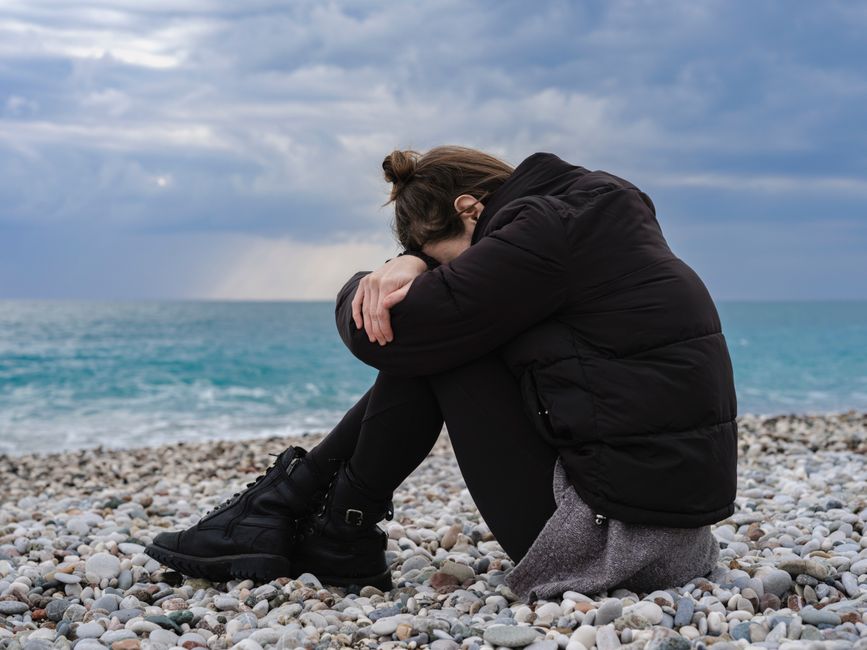
If your mood drops every year as the days get shorter, you are not imagining it and you are not alone. Seasonal affective disorder, often called SAD, is a recognized form of depression that follows a seasonal pattern, most commonly appearing in fall and winter and lifting in spring. It happens because reduced daylight changes the timing of your body’s internal clock, which in turn affects brain chemicals that regulate mood, sleep, and energy. The winter blues and full seasonal depression sit on the same spectrum, but they differ in how severe the symptoms are and how much they interfere with daily life.
Why Do I Get Depressed In The Winter Sad Explained
The short answer is light. Your body uses daylight as its main signal for when to sleep, when to wake, and when to release certain hormones and neurotransmitters. When winter shortens the day and you spend more time indoors, that signal gets weaker and arrives at the wrong times.
Most people with winter SAD notice symptoms starting in late fall and fading by spring. The pattern repeats year after year, which is one of the defining features of the condition. It is not simply disliking cold weather. It is a measurable shift in mood and functioning tied to the season.
The leading explanation involves the circadian system, the roughly 24-hour internal clock that governs sleep, appetite, body temperature, and mood. Light entering the eye travels to a small cluster of brain cells called the suprachiasmatic nucleus, which sets that clock. Less morning light can push the clock out of sync with your daily schedule. Researchers have also looked at a brain chemical called serotonin, which helps regulate mood, and at melatonin, which helps regulate sleep. Some studies suggest that people with winter SAD may have altered serotonin activity and a shifted melatonin rhythm in winter, though the exact mechanism is not fully settled.
What Are the Symptoms of Winter SAD?
Winter SAD looks different from classic depression in some important ways. The most common pattern includes sleeping too much, eating more, and craving carbohydrates, especially in the afternoon and evening.
Core symptoms include:
- Low mood most of the day, nearly every day, during the season
- Loss of interest in activities you normally enjoy
- Sleeping more than usual and still feeling tired
- Increased appetite, often with cravings for starches and sweets
- Weight gain
- Low energy and a heavy, sluggish feeling in the arms and legs
- Trouble concentrating
- Feeling hopeless or, in severe cases, having thoughts of self-harm
This heavy, appetite-increasing pattern is sometimes called the atypical symptom profile. It contrasts with the more familiar depression pattern of insomnia, appetite loss, and weight loss. That difference is a clue that seasonal timing and biology are involved.
If you have thoughts of harming yourself, that is a medical emergency. Contact a crisis line or emergency services right away. Do not wait for spring.
Is Winter SAD the Same as the Winter Blues?
No. The winter blues are a mild dip in mood and energy that many people feel during darker months, but they do not meet the criteria for a depressive episode. You can still function, enjoy things, and get through your day.
Winter SAD, by contrast, is a clinical diagnosis. The symptoms are significant enough to cause real distress or to interfere with work, relationships, or daily responsibilities. The distinction matters because the two are handled differently. Someone with mild winter blues may benefit from more light exposure and activity. Someone with SAD usually needs treatment.
One clarification worth making: SAD is not a separate disease from depression. It is a specifier, meaning major depression or a milder persistent form that follows a seasonal pattern. The underlying condition is depression. The season is the trigger.



Who Gets Seasonal Affective Disorder?
SAD is more common in people who live far from the equator, where winter days are shortest. It is also diagnosed more often in women than in men, though men who have it may experience more severe symptoms. It typically first appears in young adulthood, and the risk tends to decrease with age.
Having a personal or family history of depression raises your risk. So does living at a high latitude or working in a setting with little natural light. Researchers estimate that a small percentage of the general US population experiences winter SAD, with a larger share experiencing a milder seasonal dip. Rates rise in northern regions.
It is also worth noting that a small number of people have the opposite pattern, with depression in spring or summer. That is far less common but real, and it points to the same principle: the seasonal shift in light and schedule can affect mood in either direction.
How Is Winter SAD Treated?
Several approaches have evidence behind them, and they are often combined. The right choice depends on symptom severity and your medical history, so this is a conversation to have with a clinician.
Light therapy is one of the most studied options. It involves sitting near a bright light box that produces a specific intensity of white light, usually in the morning. The general clinical approach is a box that delivers about 10,000 lux at a comfortable distance, used for roughly 20 to 30 minutes shortly after waking. Light therapy is generally well tolerated, but it can cause eye strain, headache, or agitation, and it should be used with guidance if you have certain eye conditions or take medications that make you sensitive to light. The evidence for light therapy is good but not uniform, and results vary between people.
Talk therapy, particularly cognitive behavioral therapy, has been studied specifically for seasonal depression and shows benefit, including in helping prevent relapse in later winters.
Antidepressant medication is an option for moderate to severe symptoms. Some clinicians prescribe it seasonally, starting before symptoms typically begin and tapering after spring. This is a decision to make with a prescriber.
Vitamin D is often mentioned for winter SAD because levels can drop in darker months. The evidence that vitamin D supplements improve seasonal depression is mixed and not strong. If you are considering it, discuss it with a clinician rather than assuming it will lift your mood.
Lifestyle measures that support mood in general also apply here: regular physical activity, a consistent sleep schedule, time outdoors when light is available, and staying socially connected. These are reasonable supports, though they are not a substitute for treatment when symptoms are significant.
Can You Prevent Winter SAD Before It Starts?
For people with a clear yearly pattern, starting treatment early is a common clinical strategy. That might mean beginning light therapy in early fall, before symptoms typically appear, or timing medication to the season. The logic is that getting ahead of the shift is easier than pulling out of a full episode.
Other practical steps that fit the biology:
- Get outside in the morning when possible, even on cloudy days, since outdoor light is far brighter than indoor light
- Keep wake and sleep times consistent, including weekends
- Stay physically active, ideally with some outdoor time
- Plan social contact, since isolation tends to deepen low mood
None of these is a guaranteed prevention method. They reduce risk factors and support the systems that seasonal light already affects.
When Should You See a Doctor?
See a clinician if your mood is low for most of the day across many days, if you have lost interest in things you used to enjoy, or if your sleep, appetite, or energy have clearly changed with the season. See someone promptly if symptoms interfere with work, school, or relationships, or if you have any thoughts of self-harm.
Seasonal depression is treatable, and the pattern itself is useful information. Telling a clinician that your symptoms come and go with the seasons helps guide the diagnosis and the timing of treatment. You do not have to wait until spring to feel better.
Frequently Asked Questions
Is seasonal affective disorder a real medical condition?
Yes. SAD is a recognized form of depression with a seasonal pattern, most often in winter, and it appears in standard psychiatric diagnostic manuals. It is not a made-up label for disliking winter.
What is the main cause of winter depression?
Reduced daylight is the main trigger, because light sets your internal body clock and affects mood-related brain chemistry. The exact mechanism is not fully settled, but the seasonal light shift is central.
Does light therapy actually work for SAD?
Light therapy has good evidence for winter SAD and is a common first-line option, though results vary between people. It should be used with guidance if you have eye conditions or take light-sensitizing medications.
Can you get seasonal affective disorder in the summer?
Yes, though it is much less common than the winter pattern. Some people experience depression in spring or summer, which reflects the same principle that seasonal changes can affect mood.
