
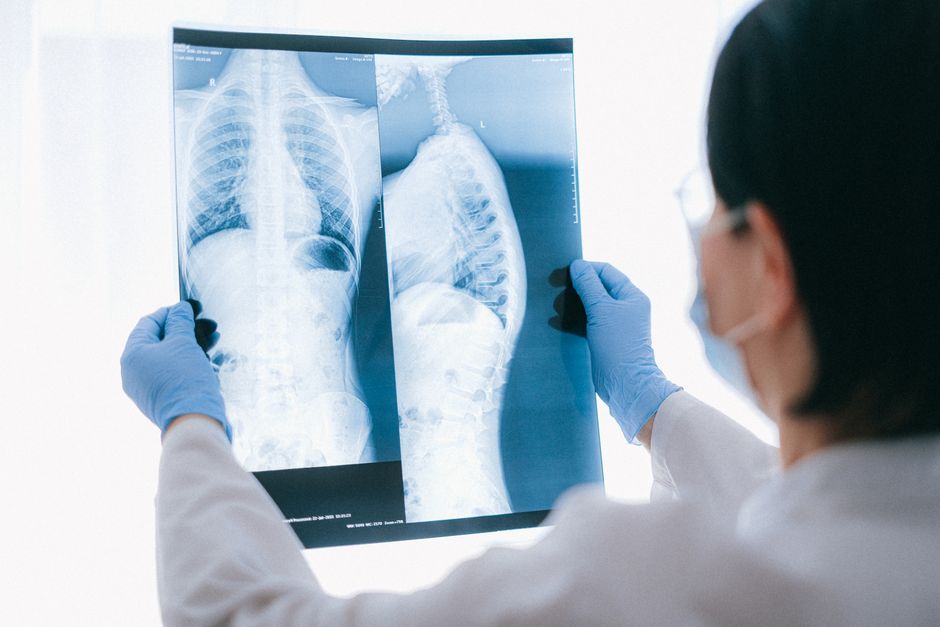
Radon is a radioactive gas that comes from the natural breakdown of uranium in soil, rock, and water. When you breathe it in, the radioactive particles can damage the DNA inside your lung cells. Over many years, this cellular damage can lead to lung cancer. It is the second leading cause of lung cancer worldwide, and the leading cause of lung cancer among non-smokers.
How Does Radon Actually Damage Your Lungs?
Radon itself is an inert gas, meaning it does not react with your body’s chemistry like other toxins. The danger comes from what radon leaves behind. As radon decays, it turns into solid radioactive particles called radon progeny, or daughters. These particles are microscopic and can float in the air.
When you breathe, these particles travel deep into your lungs and attach to the lining of your airways. They emit alpha particles, which are a form of high-energy radiation. This radiation is powerful enough to physically break the strands of DNA inside your lung cells.
Your cells can usually repair minor DNA damage. However, repeated exposure over years overwhelms this repair system. When the damage is not repaired correctly, the cell can mutate and begin to divide uncontrollably. That uncontrolled growth is the start of cancer. The process is not fast; it typically takes many years of exposure before cancer develops.
What Does Radon Do To You Lung Damage Explained: The Cellular Reality
The lung damage from radon is not a burn or a chemical irritation. It is a microscopic, genetic event. The alpha particles from radon progeny are relatively large and heavy. They do not travel far through tissue, which is why the damage stays concentrated in the lungs rather than spreading to other organs.
Because the particles are so concentrated, they can damage the cells that line the bronchi, which are the main air passages of the lungs. This is why radon-induced cancer typically begins in the airways rather than deep in the air sacs. The damage creates mutations that can be passed down to every new cell that divides from the original damaged cell.
This is a critical distinction to understand. Radon does not “poison” you. It does not cause immediate symptoms like coughing or chest pain. It causes silent, cumulative genetic errors that increase your risk of malignancy years later.
What Are the Symptoms of Radon Lung Damage?
There are no immediate symptoms of radon exposure. You cannot smell, see, or taste radon. Because the damage builds over decades, there is no early warning sign that you have been exposed.
By the time symptoms appear, the damage has usually progressed to lung cancer. These symptoms are the same as lung cancer from any cause and may include:
- A persistent cough that does not go away
- Coughing up blood
- Shortness of breath
- Chest pain
- Hoarseness
- Recurring respiratory infections like bronchitis or pneumonia
- Unexplained weight loss
If you experience these symptoms, see a doctor. However, waiting for symptoms is not a strategy for radon exposure. The only reliable way to know if you are exposed is to test your home.





How Much Radon Is Dangerous?
Radon is measured in picocuries per liter of air, abbreviated as pCi/L. The U.S. Environmental Protection Agency (EPA) has set an action level of 4 pCi/L. This does not mean levels below 4 are safe. It means the EPA recommends you fix your home if levels reach this point.
The risk of lung cancer increases as the radon level and the duration of exposure increase. There is no known safe level of radon. Even very low levels carry a small risk, though the risk is significantly lower than at high levels.
The average indoor radon level in the United States is about 1.3 pCi/L. The EPA estimates that about 1 in 15 homes in the U.S. has elevated radon levels. The only way to know your level is to test, because radon levels vary dramatically from house to house, even on the same street.
Radon and Smoking: A Dangerous Combination
Smoking and radon exposure do not just add up; they multiply the risk. The radioactive particles from radon and the carcinogens in tobacco smoke damage the same lung cells. The combined effect is significantly greater than the sum of the individual risks.
If you smoke and are exposed to high radon levels, your risk of lung cancer is dramatically higher than a non-smoker with the same radon exposure. Quitting smoking is the single most effective step a smoker can take to reduce this combined risk. For non-smokers, radon is the primary cause of lung cancer.
This interaction means that tackling radon is even more critical for households with smokers. Simply addressing one risk factor without the other leaves a substantial health risk in place.
How Do You Test and Fix Radon?
Testing is the only way to know if you have a radon problem. The process is simple and inexpensive. You can buy a do-it-yourself radon test kit at most hardware stores or online. These kits are placed in the lowest lived-in level of your home for a specified period, usually 2 to 7 days, and then sent to a lab for analysis.
There are also continuous radon monitors that plug into an outlet and provide ongoing readings. For a more thorough assessment, you can hire a certified radon professional to conduct a test.
If your test result is 4 pCi/L or higher, the EPA recommends taking action. The most common fix is a mitigation system called sub-slab depressurization. This system uses a vent pipe and fan to draw radon from beneath the foundation and exhaust it safely outside, where it dilutes. These systems are highly effective and can reduce radon levels by up to 99%.
After installing a mitigation system, you should test again to confirm the levels have dropped. If the initial test is between 2 and 4 pCi/L, the EPA suggests considering a mitigation system, as reducing exposure at any level lowers risk.
How Long Does It Take for Radon to Cause Cancer?
Lung cancer from radon exposure does not appear overnight. The lag time between exposure and diagnosis is typically 5 to 25 years. This long latency period is why the danger is often underestimated.
The risk is cumulative. The longer you are exposed, and the higher the concentration, the greater your lifetime risk. This means that moving into a home with high radon today does not cause immediate harm, but living there for a decade significantly raises your risk.
Because of this delay, a person diagnosed with radon-related lung cancer may have been exposed many years earlier, possibly in a previous home. This makes it difficult to trace the exact source of exposure.
Frequently Asked Questions
Can you recover from radon lung damage?
There is no treatment to reverse the cellular DNA damage caused by past radon exposure. The body can repair some damage, but once cancer develops, it is treated as lung cancer, not as a radon-specific condition.
How long can you live in a house with high radon?
There is no safe duration of exposure to high radon levels; the risk increases with the length of exposure. You should mitigate high radon levels promptly, as even a few years of exposure increases your lifetime cancer risk.
Does opening windows reduce radon levels?
Opening windows can temporarily lower radon levels by increasing ventilation and diluting the gas. It is not a reliable long-term solution, as the effect is inconsistent and depends on weather and airflow.
Is radon worse than smoking?
Radon is not worse than smoking for a smoker, but it is the leading cause of lung cancer in non-smokers. The combined effect of smoking and radon exposure is far more dangerous than either risk factor alone.
