
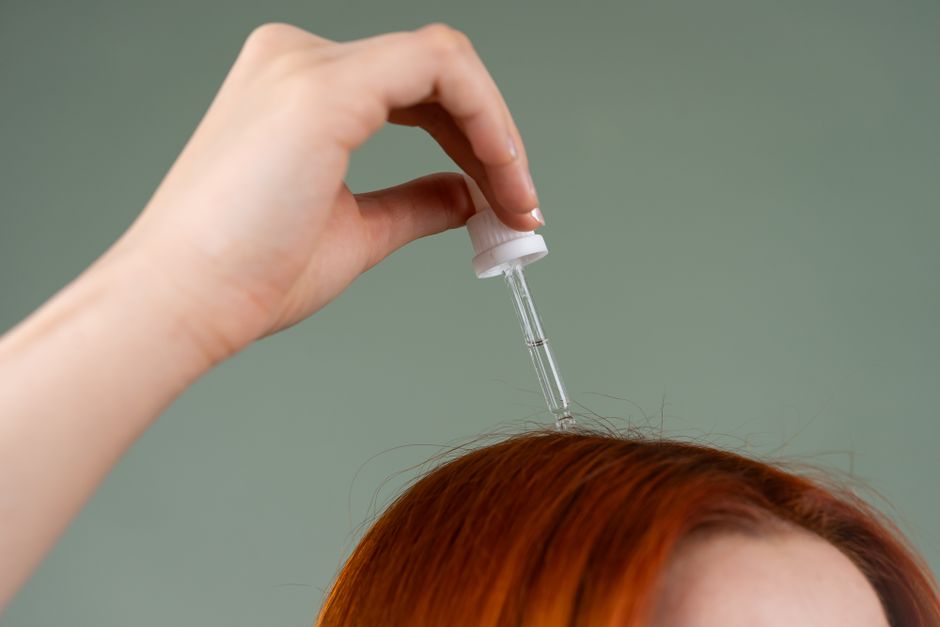
If you have ever noticed thick, scaly patches on your scalp that flake off into your hair and onto your shoulders, you are likely dealing with seborrheic dermatitis. People often call it “caspa,” the Spanish word for dandruff, but the condition behind it is more complex than simple dry skin. Caspa happens when your scalp’s natural oil production combines with a common yeast that lives on everyone’s skin, triggering inflammation and rapid skin cell turnover. The good news is that this condition is highly manageable with the right cleansing routine and, in stubborn cases, medicated treatments that target the underlying cause.
What Exactly Causes Caspa on the Scalp?
Caspa is not caused by poor hygiene. In fact, washing too aggressively or too often can make it worse. The primary driver is a yeast called Malassezia, a fungus that naturally lives on the scalps of most adults. For most people, this yeast causes no problems at all. But in some individuals, the yeast feeds on the sebum (skin oil) your scalp produces, and the byproducts of that feeding trigger an inflammatory response.
This inflammation speeds up the life cycle of your skin cells. Normally, skin cells take about a month to mature, die, and shed. In someone with caspa, that process can compress to just a few days. The result is a buildup of immature skin cells that clump together with oil, forming the visible flakes you see. This explains why caspa flakes are often yellowish and greasy rather than the fine, dry white flakes associated with a dry scalp.
Hormones also play a role. Androgens, the male sex hormones present in both men and women, increase sebum production. This is why caspa often first appears during puberty and why it tends to be more common in men than in women. The condition also tends to run in families, suggesting a genetic component in how your immune system responds to Malassezia.
Why Do I Get Caspa? Causes And How To Treat It
The direct answer to why you get caspa is an overreaction of your skin’s immune system to Malassezia yeast. The treatment, therefore, focuses on two goals: reducing the yeast population and calming the inflammation. You cannot eliminate Malassezia completely — it is a permanent resident of your skin — but you can keep its numbers low enough that your immune system stops reacting.
Daily washing with a gentle shampoo is the first step. The idea that washing your hair every day dries out the scalp is a myth for people with caspa. Leaving oil on the scalp feeds the yeast. For mild cases, consistent washing with a regular shampoo may be enough to control flaking. For moderate to severe cases, you need a shampoo that contains an active ingredient proven to reduce yeast or slow skin cell turnover.
Several over-the-counter ingredients are well established for treating caspa. Zinc pyrithione and selenium sulfide both reduce yeast growth. Ketoconazole is an antifungal that directly targets Malassezia. Salicylic acid helps break down the scale so it can be washed away more easily. Coal tar slows the rapid skin cell turnover. Each works through a different mechanism, and many people find that rotating between two or three of these ingredients produces better results than using one alone.
Here is a simple comparison of the main over-the-counter options:
| Active Ingredient | What It Does | Best Used For |
|---|---|---|
| Zinc pyrithione | Reduces yeast growth | Mild to moderate flaking |
| Selenium sulfide | Slows skin cell turnover and reduces yeast | Stubborn, thick flakes |
| Ketoconazole | Antifungal that targets Malassezia directly | Moderate to severe cases |
| Salicylic acid | Breaks down scale buildup | Thick, adherent scales |
| Coal tar | Slows rapid cell division | Chronic, treatment-resistant cases |
When using these medicated shampoos, the key is contact time. You cannot just lather and rinse. Most require leaving the shampoo on your scalp for 3 to 5 minutes before rinsing to allow the active ingredient to work. Check the label of your specific product, as instructions vary.
How Often Should You Wash Your Hair?
For someone with active caspa, washing daily or every other day is generally recommended. This is a case where the standard advice about not over-washing your hair simply does not apply. The oil on your scalp is the yeast’s food source. Removing it regularly starves the yeast and helps control the condition.
If you are using a medicated shampoo, you typically start with two to three times per week, alternating with a regular shampoo on the other days. Once the flaking is under control, you can reduce the medicated shampoo to once a week for maintenance. Many people find that caspa is a chronic condition that requires ongoing management. It may flare up during times of stress, in cold dry weather, or when you skip washes for several days.


When Over-the-Counter Treatments Are Not Enough
If you have used a medicated shampoo consistently for four weeks without improvement, it is reasonable to see a doctor. A dermatologist can prescribe a stronger ketoconazole shampoo, a topical steroid lotion to reduce inflammation, or a combination product. Prescription options are not fundamentally different in approach — they just contain higher concentrations or stronger anti-inflammatory agents.
It is also important to distinguish caspa from other scalp conditions. Psoriasis can look similar but typically produces thicker, silvery scales and often appears on other parts of the body. A dry scalp produces small, white, powdery flakes without the greasy quality of caspa. If you are unsure what you have, a doctor can make the distinction. This matters because treatments differ. Moisturizing a dry scalp helps; moisturizing caspa can make it worse by feeding the yeast.
Lifestyle Factors That Influence Caspa Flare-Ups
Stress is a well-documented trigger. When you are under stress, your body produces more cortisol, which can increase sebum production and inflammation. Many people report their caspa worsens during high-stress periods, and clinical experience supports this link, though the exact mechanism is not fully understood.
Diet may play a role, but the evidence is not strong enough to make specific dietary recommendations. Some small studies suggest that reducing sugary and highly processed foods might help some people, but no large clinical trials have confirmed that any particular diet cures or prevents caspa. The honest position is that diet is not a proven treatment, though a generally balanced diet supports skin health overall.
Cold, dry weather tends to worsen caspa for many people. The dry air can increase flaking, and the reduced sunlight exposure in winter may also play a role. Conversely, some people notice improvement in the summer, particularly with sun exposure. This is not a recommendation to seek out sun exposure — the risks of UV damage outweigh any potential benefit for caspa — but it helps explain seasonal patterns.
Common Myths About Caspa You Should Ignore
One persistent myth is that caspa is caused by a dry scalp and that you should wash less often. This is backwards. Caspa is an oily condition, and washing less frequently makes it worse. Another myth is that scratching or brushing the flakes away will help. Scratching can damage the scalp and lead to secondary infections. It also does nothing to address the underlying cause.
Some people believe that caspa is contagious. It is not. Malassezia lives on virtually every adult human scalp. You cannot catch caspa from someone else, and you cannot give it to anyone. The condition is an immune reaction, not an infection.
Finally, there is no cure for caspa in the sense of making it permanently disappear. It is a chronic condition for most people. But it is highly controllable. With consistent use of the right products, most people can reduce their symptoms to the point where flakes are minimal or invisible.
Frequently Asked Questions
Is caspa the same as dandruff?
Yes, caspa is the Spanish word for dandruff, and both refer to the same condition: seborrheic dermatitis of the scalp. The medical term is seborrheic dermatitis, which can also affect other oily areas like the eyebrows, sides of the nose, and chest.
Can caspa cause hair loss?
Caspa itself does not directly cause permanent hair loss, but severe inflammation and constant scratching can damage hair follicles temporarily. Once the inflammation is treated and scratching stops, hair typically grows back normally.
Does caspa go away on its own?
In infants, a form called cradle cap often resolves on its own within the first year. In adults, caspa is usually a chronic condition that comes and goes, but it rarely disappears permanently without ongoing management.
