
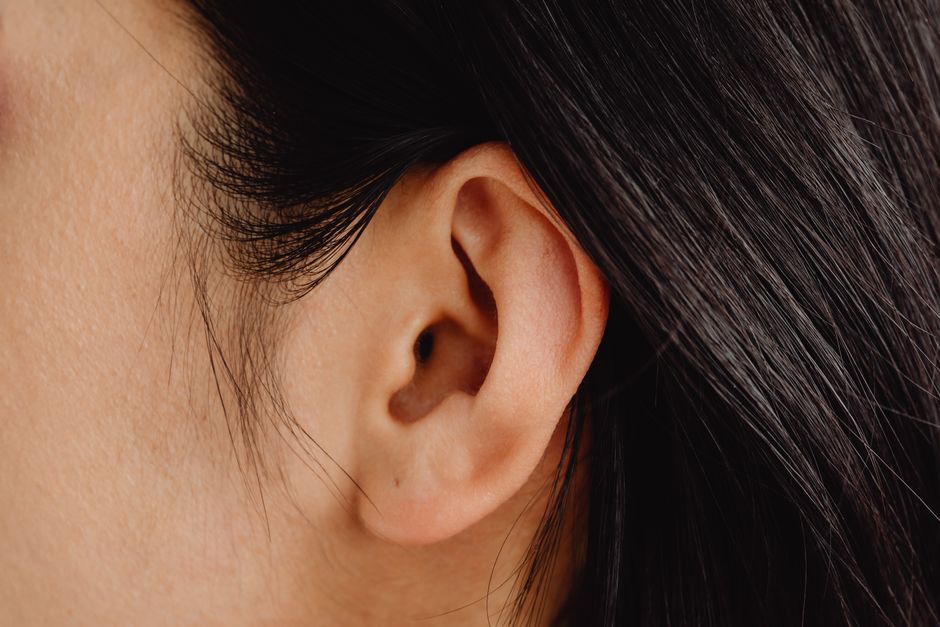
Bumps on the earlobe are common and usually harmless. Most are clogged pores, cysts, or small collections of trapped skin cells that form inside the lobe itself. The earlobe has no cartilage and very little firm structure, so it is an easy place for these growths to develop. Less often, a bump is a sign of infection or another skin condition that needs a doctor’s attention.
Where the bump sits matters. A growth inside the fleshy lobe is often a cyst or a clogged gland. A bump along the edge where the lobe meets the ear is more often related to an earring or a piercing. Size, color, and whether it hurts all help narrow down the cause.
Why Do I Get Bumps On My Earlobes?
The earlobe is packed with sebaceous glands. These glands make oil that keeps skin soft. When oil, dead skin cells, or bacteria block the opening of a gland or hair follicle, a bump forms. That is the single most common reason.
The lobe is also a common spot for epidermoid cysts. These are closed sacs under the skin that fill with keratin, a protein found in skin, hair, and nails. They feel like a small round pea under the surface and are usually painless.
Piercings add another set of causes. The lobe heals more slowly than many people expect, and jewelry can trap bacteria or irritate the tissue. A piercing that was fine for years can still develop a bump later if it gets bumped, pulled, or exposed to bacteria.
One detail worth knowing: the earlobe has no cartilage. That matters because cartilage bumps — like the firm nodules that can form on the upper ear — behave differently from lobe bumps. A bump in the soft lobe is rarely a cartilage problem.
What Are the Most Common Types of Earlobe Bumps?
Most earlobe bumps fall into a handful of categories. The table below compares the most common ones by how they feel and what they typically look like. This is a general guide, not a diagnosis.
| Type | How it feels | Typical appearance |
|---|---|---|
| Acne or clogged pore | Tender, sometimes sore | Small red or white bump |
| Epidermoid cyst | Firm, round, movable | Skin-colored lump under the surface |
| Piercing bump | Firm, may be tender | Raised bump near the jewelry |
| Folliculitis | Itchy or sore | Small red bumps, sometimes with pus |
| Keloid | Firm, rubbery | Raised scar that grows beyond the original injury |
Two of these deserve a closer look. Folliculitis is inflammation of a hair follicle, often from bacteria. Keloids are overgrown scar tissue. Keloids are more common in people with darker skin tones and can form after a piercing or any injury to the lobe.
Can an Ear Piercing Cause an Earlobe Bump?
Yes. Piercings are one of the leading causes of earlobe bumps. The skin reacts to the metal, to bacteria, or to the constant pressure of the jewelry.
Several distinct problems can show up around a piercing:
- Infection — bacteria enter the wound. The area becomes red, warm, swollen, and may leak pus.
- Irritation — the jewelry rubs or pulls. The skin stays red and tender without a true infection.
- Piercing bump — a firm raised bump forms next to the piercing channel. It is often a mix of irritation and trapped fluid.
- Keloid — scar tissue grows beyond the wound. This tends to appear weeks to months after piercing.
- Embedded jewelry — the earring sinks into the skin, which traps debris and causes swelling.
Metal sensitivity is a real factor. Nickel is a common trigger, and it is present in many inexpensive earrings. Even people who wore the same earrings for years without trouble can develop a reaction later.





When Should I Worry About an Earlobe Bump?
Most earlobe bumps are not dangerous. Still, some signs mean you should see a doctor rather than wait it out.
Seek medical care if the bump:
- Grows quickly or keeps getting bigger
- Bleeds, oozes, or crusts over
- Is red, hot, and painful, especially with fever
- Spreads or changes color
- Does not improve after several weeks
- Returns after being removed
A spreading infection in the ear area needs prompt attention. The ear sits close to the face and neck, and untreated infections there can become serious. This is not common, but it is the reason a painful, hot, swollen earlobe should not be ignored.
Skin cancer can also appear on the ear, though it is far less common than cysts or acne. A bump that is pearly, waxy, or has a sore that will not heal is worth having checked. The ear is a sun-exposed area, so this possibility is not zero.
How Are Earlobe Bumps Treated?
Treatment depends entirely on the cause. There is no single fix that works for every bump, and some home remedies can make things worse.
For a clogged pore or mild acne, gentle cleansing and warm compresses are often enough. Warm compresses can help a cyst drain on its own. Do not squeeze or pop a bump on the earlobe. Squeezing pushes debris deeper and can turn a harmless cyst into an infected one.
For piercing-related bumps, the general approach is to keep the area clean, avoid touching it, and remove the source of irritation if possible. Some clinicians recommend removing the jewelry, while others suggest keeping it in to avoid trapping the infection. This is a case where professional advice matters, because the right choice depends on the specific situation.
For epidermoid cysts, a doctor may drain or remove the cyst. Drainage alone often does not solve the problem permanently, because the sac that makes the keratin remains. Removal of the whole sac is more likely to prevent it from coming back.
For keloids, treatment is more involved. Options include steroid injections, silicone dressings, and other procedures. Keloids can be stubborn and may return after treatment. No single method works for everyone.
Can I Prevent Earlobe Bumps?
You cannot prevent every bump, but you can lower the odds. Most prevention comes down to reducing irritation and bacteria around the lobe.
- Keep the earlobe clean and dry, especially after sweating.
- Avoid nickel-containing jewelry if you have sensitive skin. Look for surgical steel, titanium, or 14-karat or higher gold.
- Do not sleep on new piercings or press them against rough fabric.
- Clean new piercings as directed and do not rotate or twist the jewelry unnecessarily.
- Avoid heavy earrings that pull on the lobe.
- Do not share earrings or piercing tools.
If you are prone to keloids, think carefully before getting a new piercing. A personal or family history of keloids raises your risk, and the earlobe is a common site for them to form.
Do Earlobe Bumps Go Away on Their Own?
Many do. Mild acne bumps and irritation from jewelry often settle down within days to a few weeks once the trigger is removed. Warm compresses and gentle care can speed that along.
Cysts are less predictable. They may shrink and seem to disappear, then refill later. Keloids generally do not go away on their own and often need treatment. Piercing bumps can resolve if the irritation stops, but they can also persist for months.
The pattern matters more than the timeline. A bump that is shrinking is usually fine to watch. A bump that is growing, changing, or causing pain is a reason to get it looked at.
Frequently Asked Questions
Are bumps on earlobes usually cancer?
No. The large majority of earlobe bumps are cysts, clogged pores, or piercing-related growths. Skin cancer can appear on the ear, so a bump that will not heal or keeps changing should be checked by a doctor.
Should I pop a bump on my earlobe?
No. Popping or squeezing can push bacteria and debris deeper, turning a harmless bump into an infected one. Let a doctor drain it if it needs draining.
Can I keep my earring in if I have a bump?
It depends on the cause. Some clinicians advise removing the jewelry to stop irritation, while others recommend keeping it in to avoid trapping infection. Ask a doctor or piercer for guidance on your specific situation.
How long do earlobe bumps last?
Mild bumps from irritation or acne often clear within days to a few weeks once the trigger is gone. Cysts can come back, and keloids usually need treatment rather than resolving on their own.
