
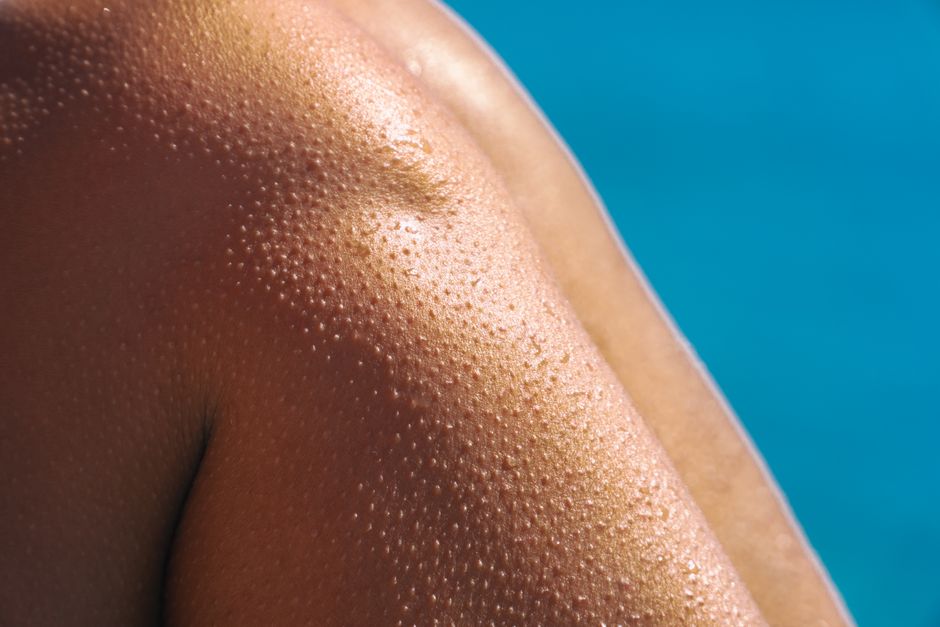
Small bumps on the hands are extremely common, and in most cases they are not a sign of anything serious. The skin on your hands is thin, constantly exposed, and packed with oil glands, sweat glands, and hair follicles — all of which can become irritated, blocked, or inflamed. That combination makes the hands a frequent site for a wide range of harmless skin conditions. What the bumps look like, where they sit, and how they feel is usually the fastest way to narrow down the cause.
Why Am I Getting Small Bumps On My Hands?
The most common causes are eczema (dyshidrotic eczema in particular), contact dermatitis, warts, and blocked sweat glands. Each one has a distinct pattern. Dyshidrotic eczema produces tiny, deep blisters along the sides of the fingers and palms. Contact dermatitis appears where your skin touched an irritant or allergen. Warts are rough and raised. Blocked sweat glands form small, firm bumps that are usually painless.
Less common causes include fungal infections, psoriasis, scabies, and — rarely — skin cancer. The list is long, but the appearance and location of the bumps usually point clearly toward one or two possibilities.
Dyshidrotic eczema
This is one of the most frequent reasons people notice small bumps on their hands. It causes tiny, fluid-filled blisters that sit deep in the skin, often on the sides of the fingers, the palms, and sometimes the soles of the feet. The blisters are usually intensely itchy. They tend to come in flares that last a few weeks, then the skin dries, cracks, and peels.
The exact cause is not fully understood. It is more common in people who already have atopic dermatitis or allergies. Sweating, stress, and contact with certain metals — nickel in particular — are common triggers reported by patients, though the evidence for each trigger varies.
Contact dermatitis
Contact dermatitis happens when your skin reacts to something it touched. There are two types. Irritant contact dermatitis is a direct chemical injury to the skin, caused by soaps, detergents, solvents, or repeated hand washing. Allergic contact dermatitis is an immune reaction, often to nickel, fragrances, preservatives, or rubber gloves.
The bumps typically appear only on the areas that made contact. That pattern — a clear border between affected and unaffected skin — is one of the most useful clues. If your bumps stop exactly where your glove ends or where your watch sits, contact dermatitis becomes much more likely.
Warts
Warts are caused by human papillomavirus (HPV). On the hands, they usually appear as rough, raised bumps with a distinct border. Common warts often have a tiny black dot in the center — those are clotted blood vessels, not seeds. They can spread from one part of the hand to another through breaks in the skin.
Warts are contagious, but the strains that cause hand warts are different from the strains linked to cervical cancer. Hand warts are generally harmless, though they can be persistent and sometimes painful if they press on a nerve.
Blocked sweat glands (miliaria)
Miliaria happens when sweat ducts get blocked and sweat leaks into surrounding tissue. It produces small, firm bumps, often with a red halo. On the hands it is less common than on the trunk and neck, but it does occur — especially in hot, humid weather or when hands are covered by gloves for long periods.
Miliaria is usually not itchy and clears on its own once the skin cools and dries. If bumps appear after a hot day or heavy sweating and fade within a few days, this is a reasonable explanation.
What Do the Bumps Look Like — and What Does That Tell You?
Appearance is often more informative than any other single detail. The table below summarizes the most common patterns.
| Condition | Typical appearance | Common location | Itch or pain |
|---|---|---|---|
| Dyshidrotic eczema | Tiny deep blisters, “tapioca-like” | Sides of fingers, palms | Intensely itchy |
| Contact dermatitis | Red bumps or blisters with sharp borders | Areas that touched the trigger | Itchy, sometimes burning |
| Warts | Rough, raised, may have black dots | Backs of hands, fingers | Usually painless |
| Miliaria | Small firm bumps, may have red halo | Anywhere covered by sweat or gloves | Usually not itchy |
| Scabies | Tiny bumps or burrow lines | Web spaces between fingers | Severely itchy, worse at night |
The table is a guide, not a diagnosis. Many skin conditions overlap in appearance, and only a clinician can tell them apart with confidence.
When Should Small Bumps on Hands Worry You?
Most small bumps on the hands are benign and either resolve on their own or respond to simple treatment. Certain features, however, warrant a medical evaluation.
- A bump that grows steadily over weeks or months
- A sore that bleeds, crusts, or does not heal
- A bump with irregular color — multiple shades of brown, black, or red within one lesion
- Spreading bumps accompanied by fever, joint pain, or feeling unwell
- Severe itching that disrupts sleep, especially at night
- Signs of infection: warmth, pus, spreading redness, or increasing pain
Skin cancer on the hands is uncommon but not rare. Squamous cell carcinoma can appear on sun-exposed areas of the hands as a rough, scaly bump that may crust or bleed. Melanoma can also occur on the palms, soles, and under the nails — sites that are easy to overlook. Any new or changing lesion on the hand deserves a professional look.





What Triggers These Bumps — and How Do You Avoid Them?
Triggers vary by condition. For dyshidrotic eczema, common reported triggers include sweating, stress, and contact with nickel or cobalt. For contact dermatitis, the trigger is whatever your skin touched — often soap, detergent, fragrance, or rubber. For miliaria, heat and blocked sweat are the main drivers.
Reducing exposure to known triggers can help. If you suspect a product, stop using it and see whether the bumps clear. If they return when you use it again, that is meaningful information. Patch testing, done by a dermatologist, can identify specific allergens when the cause is unclear.
For warts, avoiding direct contact with someone else’s wart and keeping skin intact (moisturized, without cracks) reduces the chance of spread. Warts are more likely to take hold in skin that is broken or damp.
How Are These Bumps Treated?
Treatment depends entirely on the cause. There is no single treatment that works for all small bumps on the hands.
For dyshidrotic eczema, topical corticosteroids are the standard first-line treatment. For severe flares, a clinician may recommend stronger options. Keeping hands moisturized and avoiding harsh soaps helps reduce flare frequency. Some clinicians recommend short courses of oral steroids for severe cases, though this is not without side effects and is not appropriate for everyone.
For contact dermatitis, the main treatment is identifying and avoiding the trigger. Once the trigger is removed, the skin usually heals within a few weeks. Topical steroids can speed resolution of inflammation.
For warts, several treatments exist, including salicylic acid, cryotherapy (freezing), and other destructive methods. No single treatment is consistently effective, and warts often recur. This is one area where the evidence for any one approach is modest.
For miliaria, the treatment is cooling and drying the skin. No medication is usually needed. If bumps persist despite keeping the area cool and dry, see a clinician.
No clinical guidelines currently exist for treating these bumps in infants or young children without medical supervision. If a child has persistent or spreading bumps, see a pediatrician.
Is It Contagious?
Contagiousness depends on the cause. Warts are contagious through direct skin contact. Scabies is contagious through prolonged skin-to-skin contact. Dyshidrotic eczema, contact dermatitis, and miliaria are not contagious.
If multiple people in a household develop itchy bumps at the same time — especially with intense nighttime itching — scabies becomes a possibility and everyone in the household may need treatment. This is one situation where seeing a clinician promptly matters.
Can You Prevent Small Bumps on Your Hands?
You cannot prevent every cause, but you can reduce your risk for several of them. Moisturize your hands regularly, especially after washing. Use lukewarm water rather than hot. Choose fragrance-free soaps and detergents. Wear gloves when handling irritants or cleaning products. Keep hands dry when possible, and change out of damp gloves promptly.
If you have eczema, keeping the skin barrier intact is the single most effective preventive step. Dry, cracked skin is more vulnerable to irritants and allergens.
Stress reduction is often mentioned as a way to reduce eczema flares. The evidence for stress as a direct trigger is mixed, but many patients report a connection. It is reasonable to address stress for general health regardless.
Frequently Asked Questions
Are small bumps on my hands usually serious?
Most small bumps on the hands are benign and caused by common conditions like eczema, contact dermatitis, or warts. A bump that grows, bleeds, or does not heal should be checked by a clinician.
What causes tiny itchy blisters on the sides of my fingers?
Tiny, deep, intensely itchy blisters on the sides of the fingers are most often dyshidrotic eczema. The cause is not fully understood, but sweating, stress, and contact with nickel are commonly reported triggers.
Can small bumps on hands spread to other people?
Warts and scabies can spread through skin contact, but eczema, contact dermatitis, and miliaria do not. If several people in a household develop itchy bumps at once, see a clinician.
Do I need to see a doctor for small bumps on my hands?
See a clinician if the bumps are growing, bleeding, not healing, or causing severe itching that disrupts sleep. For mild, stable bumps, a wait-and-see approach is often reasonable.
