
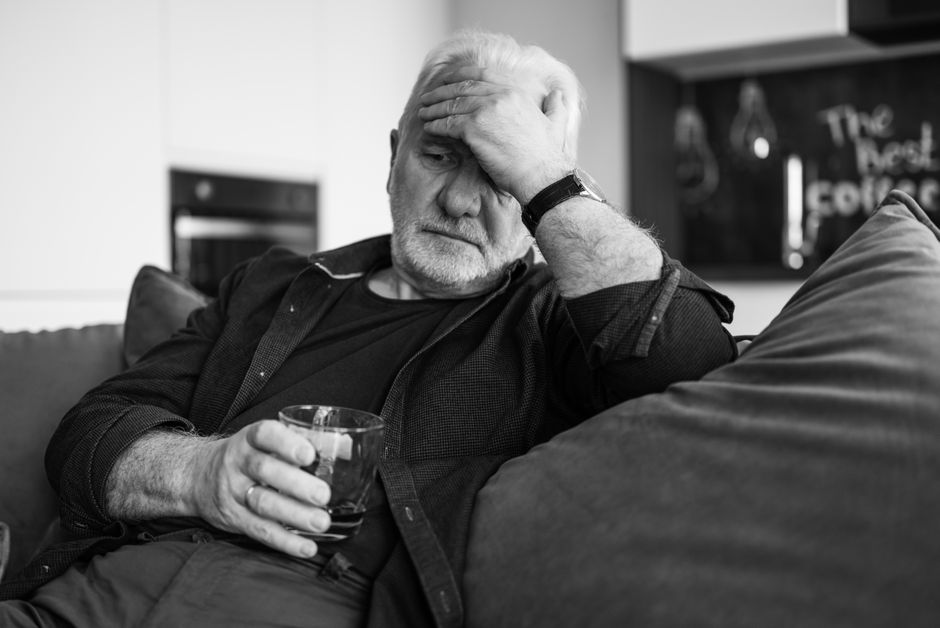
If you have ever woken up at 3 a.m. with your heart pounding and a vague sense of dread after a night of drinking, you are not imagining it. Alcohol can cause anxiety both while it is in your system and as it leaves. This happens through real, measurable changes in brain chemistry and nervous system activity. The effect is common, it is temporary in most cases, and it has a clear physiological explanation.
Why Does Alcohol Cause Anxiety the Next Day?
Alcohol is a central nervous system depressant. It slows down brain activity by boosting the effects of a neurotransmitter called GABA, which calms nerve signals, and by reducing the effects of glutamate, which excites them. That combination produces the relaxed, uninhibited feeling many people drink for.
The brain does not accept this disruption passively. It adapts. To keep itself in balance, it dials down GABA signaling and ramps up glutamate activity. When the alcohol clears, you are left with a nervous system that is temporarily tilted in the opposite direction. Brain activity speeds up. Heart rate may rise. Hands may shake. Mood can drop. Anxiety often follows.
This is sometimes called “hangxiety.” It is not a sign of weakness or a character flaw. It is the predictable result of the brain correcting for a drug that pushed it off balance.
Why Do I Get Anxiety After Drinking Even When I Wasn’t Anxious Before?
You do not need a history of anxiety for alcohol to trigger it. The rebound effect happens in anyone who drinks enough to disrupt the brain’s baseline.
Several factors shape how strongly this hits:
- How much you drank. More alcohol means a bigger disruption and a bigger rebound.
- How fast you drank. Rapid drinking spikes blood alcohol faster and throws the system harder.
- How often you drink. Regular drinking can keep the brain in a state of adaptation, making withdrawal effects more pronounced.
- Sleep disruption. Alcohol fragments sleep and suppresses REM sleep. Poor sleep on its own raises anxiety the next day.
- Dehydration. Alcohol reduces a hormone that helps the body retain water, so you lose more fluid than usual. Dehydration can cause dizziness, racing heart, and a sense of unease that overlaps with anxiety.
- Blood sugar shifts. Alcohol can affect blood glucose regulation, and low blood sugar can produce jitteriness and irritability.
Someone who has never had a panic attack can have one during a rough hangover. That experience is frightening, but it does not automatically mean an anxiety disorder has developed.
What Is Happening in the Brain During Alcohol Withdrawal?
When alcohol leaves the body, the brain is still in its adapted state. GABA activity is lower than normal. Glutamate activity is higher than normal. The result is an excitatory environment.
This is the same basic mechanism behind alcohol withdrawal, though the severity varies enormously. A mild version looks like restlessness, worry, and a racing mind. A severe version, which occurs mostly in people who drink heavily and regularly, can include tremors, sweating, rapid heart rate, nausea, and in serious cases seizures or confusion.
Severe alcohol withdrawal is a medical emergency. Anyone who has been drinking heavily for an extended period and stops suddenly should talk to a doctor before quitting, because withdrawal can become dangerous.
For moderate drinkers, the excitatory rebound is milder but still real. It usually settles within a day or so as the brain rebalances.


Does Alcohol Actually Help Anxiety in the Moment?
Alcohol can reduce anxiety briefly. That is not a myth — it is pharmacology. The GABA boost genuinely calms the nervous system for a short window.
The problem is what happens next. The relief is temporary, and the rebound tends to be worse than the anxiety it briefly masked. This creates a cycle: drink to feel calm, feel worse later, drink again to feel calm. Over time, that loop can deepen anxiety rather than relieve it.
Research on alcohol and anxiety has consistently found that using alcohol to cope with anxiety is associated with a higher risk of developing an alcohol use disorder. The short-term relief comes with a longer-term cost.
How Long Does Anxiety After Drinking Last?
For most people, anxiety after a night of drinking peaks during the hangover and eases within 24 hours. Some people notice lingering unease for a day or two, especially after heavy drinking or several days of drinking in a row.
If anxiety lasts longer than that, other factors may be at play. Chronic heavy drinking can produce withdrawal symptoms that last days to weeks. Underlying anxiety that was being masked by alcohol may also surface once drinking stops. Neither situation is something to push through alone.
There is no fixed timeline that applies to everyone. The intensity and duration depend on how much you drank, how often you drink, your overall health, and whether you have an anxiety disorder or a history of alcohol withdrawal.
When Should You Be Concerned About Anxiety After Drinking?
Occasional next-day anxiety after a heavy night is common and usually not a medical concern on its own. Certain patterns warrant a conversation with a doctor.
- You drink specifically to manage anxiety or to feel normal in social situations.
- Your anxiety is getting worse over time rather than staying stable.
- You experience shaking, sweating, a racing heart, or nausea when you have not had a drink.
- You have blackouts, you drink more than you intend to, or you have tried to cut back and struggled.
- You feel anxious even on days you do not drink, particularly in the hours after you would normally have your first drink.
These signs can point to alcohol withdrawal, an alcohol use disorder, an anxiety disorder, or a combination. A doctor can help sort out which is which. Treatment for each looks different, and getting the right one matters.
How Can You Reduce Anxiety After Drinking?
The most reliable way to avoid next-day anxiety from alcohol is to drink less or not at all. That is not a moral judgment — it is the direct consequence of how the brain responds to alcohol.
If you do drink, several steps may reduce the intensity of the rebound:
- Alternate alcoholic drinks with water to limit dehydration.
- Eat before and during drinking to slow alcohol absorption.
- Limit total drinks and avoid drinking quickly.
- Avoid drinking close to bedtime, since alcohol disrupts sleep architecture even when it makes you fall asleep faster.
- Skip the “hair of the dog” drink the next morning. It temporarily calms symptoms but reinforces the cycle.
None of these eliminate the rebound entirely. They reduce it. The only way to prevent it completely is to avoid the alcohol that causes it.
If anxiety after drinking is a recurring problem, it is worth talking to a healthcare provider. Cognitive behavioral therapy has strong evidence for anxiety disorders. Medications for anxiety and for alcohol use disorder exist and are prescribed based on individual circumstances. No single approach works for everyone, and what helps one person may not help another.
Frequently Asked Questions
Why do I get anxiety after drinking?
Alcohol boosts calming GABA activity and reduces excitatory glutamate activity while you drink. When it wears off, your brain rebounds in the opposite direction, leaving you with a faster, more excitable nervous system that can feel like anxiety.
How long does anxiety after drinking usually last?
For most people it peaks during the hangover and eases within about 24 hours. It can last longer after heavy or repeated drinking, and chronic heavy drinkers may have withdrawal symptoms that persist for days.
Is anxiety after drinking a sign of an alcohol problem?
Not by itself. Occasional next-day anxiety is common and does not mean you have an alcohol use disorder. It becomes a bigger concern if you drink to manage anxiety, need more alcohol to feel the same effect, or have withdrawal symptoms when you stop.
Does drinking help anxiety at all?
It can reduce anxiety briefly because of its calming effect on the nervous system. That relief is short-lived, and the rebound afterward often makes anxiety worse, which can lead to a cycle of drinking to cope.
