
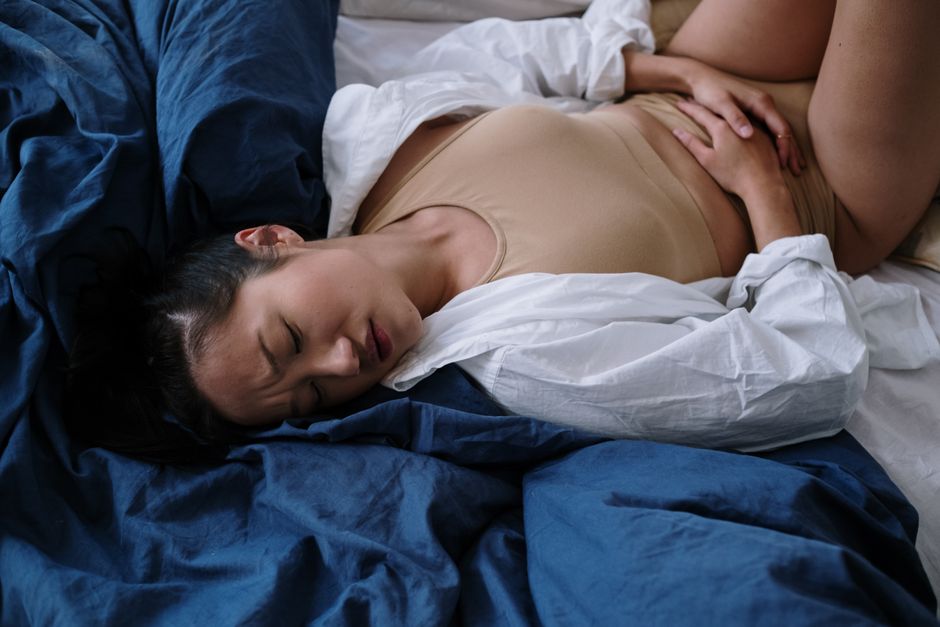
If your periods leave you feeling exhausted, achy, anxious, or just plain miserable, you are not imagining it. The discomfort comes from real, measurable shifts in hormones, inflammation, and blood flow that happen every cycle. Most of what you feel traces back to two hormones — estrogen and progesterone — dropping sharply just before bleeding starts, plus the release of prostaglandins that make the uterus contract. Relief is possible, but it helps to understand what is actually driving each symptom.
Why Do I Feel So Bad On My Period Causes Relief?
The short answer is hormones and inflammation working together. In the days before your period, levels of estrogen and progesterone fall. That drop triggers the release of hormone-like compounds called prostaglandins, which make the uterus contract to shed its lining. Those same contractions can cause cramping, and prostaglandins are also linked to inflammation, nausea, and diarrhea in some people.
At the same time, falling estrogen can affect serotonin, a brain chemical involved in mood. This helps explain why irritability, low mood, and anxiety often show up in the days before bleeding rather than during it. Once bleeding begins, hormone levels start to stabilize again, which is why many people feel better a few days in.
So the “why” has three main drivers:
- Hormone shifts — the sharp drop in estrogen and progesterone before your period
- Prostaglandins — compounds that cause cramping and inflammation
- Serotonin changes — linked to mood symptoms before and during your period
None of this means you have to just live with it. Understanding the mechanism is the first step toward finding relief that actually targets the cause.
What Is Premenstrual Syndrome And How Is It Different From Period Pain?
Premenstrual syndrome (PMS) and period cramps are related but not the same thing. PMS is a cluster of emotional and physical symptoms that show up in the one to two weeks before your period and usually ease once bleeding starts. Cramps — called dysmenorrhea — are the pelvic pain caused by uterine contractions during bleeding itself.
PMS can include:
- Mood swings, irritability, or crying spells
- Bloating and breast tenderness
- Fatigue and trouble sleeping
- Food cravings or appetite changes
- Headaches and joint or muscle aches
Dysmenorrhea is more specific: a cramping pain in the lower abdomen that can radiate to the lower back and thighs. It often starts just before or with bleeding and peaks in the first day or two.
Many people have both at once. That overlap is a big reason periods can feel so overwhelming — you are dealing with mood symptoms and physical pain simultaneously.
There is also a more severe form of premenstrual symptoms called premenstrual dysphoric disorder (PMDD). It involves intense mood symptoms that interfere with daily life. PMDD is recognized as a distinct diagnosis and is not simply “bad PMS.” If your premenstrual mood symptoms are severe enough to disrupt work, relationships, or daily functioning, that is worth discussing with a clinician.
Why Are Some Periods Worse Than Others?
Not everyone has the same experience, and the reasons vary. Some factors are biological, some are lifestyle-related, and some reflect an underlying condition.
Higher prostaglandin levels tend to produce stronger cramps. Some people simply release more of these compounds than others.
Underlying conditions can make periods significantly worse. Endometriosis, adenomyosis, and uterine fibroids are all associated with heavier or more painful periods. These are not rare, and they often go undiagnosed for years.
Lifestyle factors may play a role too. High stress, poor sleep, smoking, and low physical activity have been associated with more severe period symptoms in some studies, though the evidence is not uniform across all of them.
Age and cycle history matter as well. Periods can be heavier and more painful in the first few years after menstruation begins, and symptoms often change after pregnancy or as you approach menopause.
If your periods regularly interfere with school, work, or daily life, that is not something to dismiss. It is a signal worth investigating with a doctor.





What Actually Helps With Period Symptoms?
Relief options fall into a few categories: over-the-counter medication, heat, movement, and in some cases prescription treatment. What works depends on which symptoms bother you most.
Medication
Nonsteroidal anti-inflammatory drugs (NSAIDs) like ibuprofen and naproxen are among the most studied options for period cramps. They work by blocking prostaglandin production, which targets one of the main causes of cramping. For many people they reduce pain effectively when taken early — ideally at the first sign of cramps or bleeding rather than waiting for pain to peak.
NSAIDs are not right for everyone. They can irritate the stomach and are not recommended for people with certain kidney, stomach, or bleeding conditions. If you are unsure whether they are safe for you, ask a pharmacist or doctor.
For mood-related symptoms, some clinicians recommend antidepressants known as SSRIs, either daily or only during the premenstrual phase. This is an established approach for PMS and PMDD, though it requires a prescription and medical guidance.
Hormonal birth control is sometimes prescribed to reduce period pain and heavy bleeding by thinning the uterine lining and reducing prostaglandin release. Whether it helps depends on the type and the individual.
Heat and physical measures
Applying a heating pad or taking a warm bath can relax the muscles and ease cramping. Some research suggests continuous low-level heat can reduce period pain, though results vary. It is low-risk and often worth trying alongside other methods.
Gentle movement — walking, stretching, or light yoga — may help some people feel better. The evidence here is mixed, but the risk is low and many find it useful.
Lifestyle and nutrition
Some studies suggest that regular aerobic exercise, adequate sleep, and stress management may reduce the severity of period symptoms over time. The evidence is not strong enough to call these treatments, but they are reasonable habits that support general health.
Certain dietary factors have been studied — including calcium, vitamin B6, and magnesium — with mixed results. Some research indicates calcium supplementation may reduce PMS symptoms, but the evidence is not consistent enough to make a firm recommendation. If you are considering supplements, talk to a clinician first, especially if you take other medications.
When Should You See A Doctor About Period Symptoms?
Some period discomfort is common, but certain signs point to something that needs medical attention. See a doctor if:
- Pain is severe enough that it stops you from doing normal activities
- Bleeding soaks through a pad or tampon every hour for several hours
- Your periods last longer than seven days
- You bleed between periods or after sex
- Pain gets worse over time rather than staying stable
- You have symptoms that suggest you might be pregnant
These signs can point to conditions like endometriosis, fibroids, or a bleeding disorder. Getting evaluated does not mean something is seriously wrong — it means you are ruling out treatable causes and getting the right help.
It is also worth noting that severe period pain is common but not normal in the sense of being unavoidable. If your symptoms are consistently disrupting your life, that is a valid reason to seek care, not something to push through silently.
What Does Not Work — Or Has Weak Evidence?
A lot of period relief products are marketed heavily without strong evidence behind them. Here is an honest look at some common claims.
Essential oils and aromatherapy are often promoted for cramps. Some small studies suggest certain scents may help with relaxation or perceived pain, but the evidence is limited and the effect is likely modest. No large trials confirm they reduce period pain directly.
Detox teas and “hormone balance” supplements are widely sold but have little to no clinical evidence supporting their use for period symptoms. Some can interact with medications or cause digestive issues.
Chiropractic adjustments are sometimes claimed to relieve menstrual pain. The evidence is limited and mixed. Some people report benefit, but it is not an established treatment for dysmenorrhea.
Cutting out all carbs or following strict elimination diets is not supported by strong evidence for period relief. Extreme dietary changes can carry their own risks, especially if they lead to nutrient deficiencies.
None of this means you should avoid everything that lacks a large trial. It means being skeptical when a product promises dramatic results without evidence. If something sounds too good to be true for period pain, it probably is.
Can Period Symptoms Be Prevented?
You cannot prevent your cycle from happening, but you can sometimes reduce how bad symptoms get. The most evidence-supported approaches include regular physical activity, consistent sleep, and managing stress. These are not cures, but they may lower symptom severity over time for some people.
If you know your cycle well, tracking symptoms can help you anticipate when they will hit and start relief measures early — for example, taking an NSAID at the first sign of cramping rather than waiting.
For people with PMDD or severe PMS, prevention may involve ongoing treatment prescribed by a clinician, such as an SSRI or hormonal therapy. This is not something to manage alone.
One thing worth clarifying: your period is not supposed to be a monthly crisis. Some discomfort is common, but severe pain, heavy bleeding, or mood symptoms that disrupt your life are signs to get help, not signs to endure.
Frequently Asked Questions
Why do I feel so bad on my period?
Falling estrogen and progesterone trigger prostaglandin release, which causes cramping and inflammation, while serotonin changes can affect mood. These shifts together explain most period symptoms.
What is the fastest way to relieve period cramps?
NSAIDs like ibuprofen are among the most effective options when taken early, and a heating pad can help relax muscles. Both target the underlying causes of cramping rather than just masking pain.
Is it normal to feel exhausted on your period?
Fatigue is a common period symptom and is often linked to hormone shifts and blood loss. If exhaustion is severe or persistent, it is worth checking with a doctor, as it can also signal low iron.
When should I see a doctor for bad period symptoms?
See a doctor if pain stops you from doing normal activities, you soak through a pad every hour, or symptoms get worse over time. These can point to treatable conditions like endometriosis or fibroids.
