
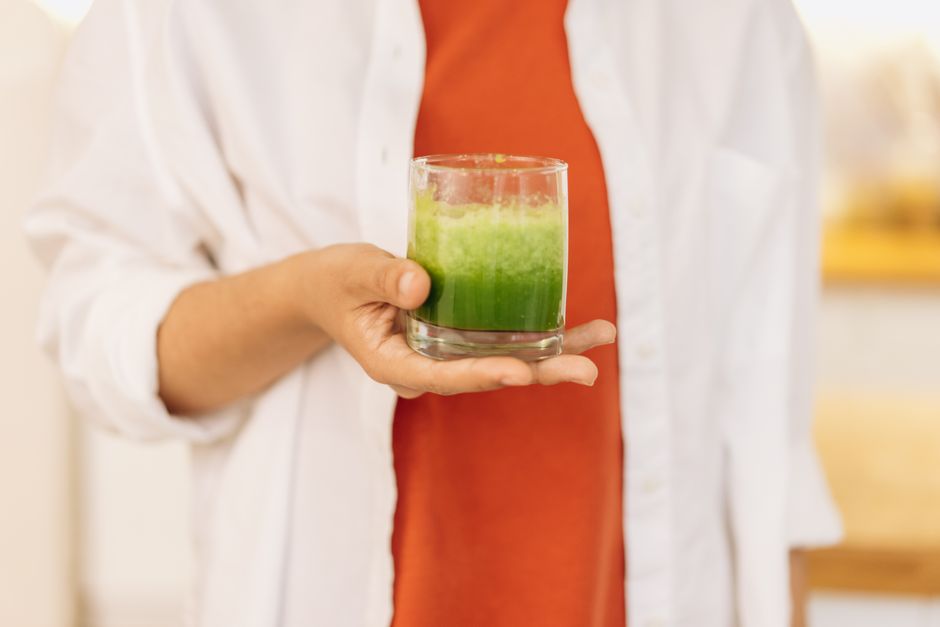
Craving pickle juice is a specific and intense urge that many people experience. It often points to a need for salt or fluids, but it can also be a learned habit or a sign of something else entirely. Your body may be signaling a true electrolyte imbalance, or your brain might simply be recalling a satisfying, salty taste. Understanding the difference is key to knowing whether to pour a glass or pause and look deeper.
Why Do I Crave Pickle Juice What Your Body Is Telling You
The most common reason for craving pickle juice is a genuine need for sodium. Sodium is an essential electrolyte that your body cannot produce on its own. When your levels drop, your brain triggers cravings for salty foods, and pickle juice is one of the most concentrated sources available.
This can happen after heavy sweating, intense exercise, or a bout of illness. Your body loses salt through sweat and other fluids, and it wants it back quickly. Pickle juice delivers that sodium rapidly. However, a craving can also be purely psychological, a habit formed from eating pickles with sandwiches or burgers for years.
What Causes a Sudden Craving for Pickle Juice?
A sudden craving often follows a specific event. Dehydration is a leading trigger. When you are low on fluids, your blood volume drops, and your body works to maintain balance. Craving salt is a direct physiological response to this state.
Heavy exercise is another common cause. Athletes lose significant sodium through sweat, and research has shown that pickle juice can help restore electrolyte balance quickly. Some studies suggest it may even relieve muscle cramps faster than plain water, though the exact mechanism is still debated.
Pregnancy can also cause sudden cravings. Hormonal shifts and increased blood volume change how your body handles salt and fluids. Many pregnant women report strong cravings for salty foods, including pickles and their juice. This is common, but it is still wise to discuss any unusual cravings with your obstetrician.
Is Craving Pickle Juice a Sign of a Medical Condition?
In most cases, a pickle juice craving is harmless and temporary. But persistent, intense cravings can sometimes point to an underlying issue. Adrenal insufficiency, for example, affects hormone production and can cause salt cravings. This is a serious condition that requires medical diagnosis.
Some research has explored whether salt cravings relate to iron deficiency or other nutrient shortfalls. The evidence here is not strong. No reliable study confirms that craving pickle juice specifically means you lack a certain vitamin or mineral beyond sodium.
If the craving comes with other symptoms like fatigue, dizziness, or headaches, it is worth checking with a doctor. A simple blood test can check your electrolyte levels and rule out more serious causes.





Does Pickle Juice Actually Help with Muscle Cramps?
This is one area where some evidence supports the practice. Research published in sports medicine journals has found that pickle juice can relieve muscle cramps faster than water. The proposed mechanism is interesting. The vinegar in the juice may trigger a reflex in the mouth and throat that sends a signal to the nervous system, stopping the cramp.
This is not about replacing electrolytes in the blood immediately. That process takes time. The relief appears to be neurological, not chemical. Some studies suggest the response happens within minutes, which is too fast for the sodium to reach your muscles.
That said, the evidence is not unanimous. Some studies show benefits, while others show no significant difference compared to water. If you get frequent cramps and want to try pickle juice, it is generally safe for most people. But it is not a proven treatment for all cases.
How Much Pickle Juice Should You Drink?
There is no official clinical guideline for pickle juice consumption. It is a food product, not a medication, so no standard dose exists. Most people drink a few ounces, roughly a quarter to half a cup, when they feel a craving or a cramp coming on.
No clinical guidelines currently exist for this population. If you are pregnant, have high blood pressure, or have kidney disease, be cautious. Pickle juice is very high in sodium. One cup can contain over 1,000 milligrams of sodium, which is a significant portion of the daily recommended limit of 2,300 milligrams.
Drinking too much can cause bloating and raise your blood pressure. It can also upset your stomach. Moderation is the safest approach. If you are thirsty, water is the better choice. If you need salt after heavy exertion, a small amount of pickle juice may help.
Are There Health Risks to Drinking Pickle Juice?
For healthy people, occasional pickle juice is safe. The main concern is sodium content. Consistently consuming too much sodium is linked to high blood pressure and heart disease. If you already have hypertension, talk to your doctor before making pickle juice a regular habit.
Another concern is acidity. The vinegar in pickle juice is acidic and can erode tooth enamel over time. If you drink it regularly, consider rinsing your mouth with water afterward. Waiting a bit before brushing your teeth also helps protect the enamel.
People with acid reflux or GERD may find pickle juice worsens their symptoms. The acid can irritate the esophagus. If you experience heartburn after drinking it, that is a sign to avoid it.
What Should You Do When You Crave Pickle Juice?
Start by assessing your recent activity. Did you just finish a hard workout? Have you been sweating heavily? Are you adequately hydrated? If yes to any of these, your body may genuinely need sodium and fluids.
A small glass of pickle juice can satisfy the craving. Follow it with a glass of water to help your body use the sodium properly. If you are not dehydrated, consider whether the craving is a habit. Sometimes eating a whole pickle or a salty snack can satisfy the urge just as well.
If cravings become frequent or intense without a clear cause, keep a food diary. Note when the cravings happen and what you ate before them. This information is useful if you decide to talk to a healthcare provider.
Can You Prevent Pickle Juice Cravings?
Prevention depends on the cause. If dehydration is the trigger, staying hydrated throughout the day can reduce cravings. Drinking water regularly and eating a balanced diet with adequate sodium usually keeps your electrolyte levels stable.
For athletes, replacing electrolytes during and after exercise can help. Sports drinks contain sodium and other electrolytes, though they also contain sugar. Some people prefer electrolyte tablets or powders that can be added to water.
If the craving is psychological, finding a healthier substitute may help. Olives, salted nuts, or broth-based soups can provide a salty hit with additional nutritional value. The goal is to satisfy the urge without consuming excessive sodium in one sitting.
Frequently Asked Questions
Is craving pickle juice a sign of low sodium?
It can be. Low sodium levels often trigger salt cravings, and pickle juice is a concentrated source of sodium. But the craving can also be a habit or preference, so it is not a reliable indicator on its own.
Can drinking pickle juice help with dehydration?
It can help replace sodium lost through sweat, but water is still the primary treatment for dehydration. Pickle juice should be paired with water, not used as a replacement for it.
Is it safe to drink pickle juice every day?
For healthy people, small amounts are likely safe, but the high sodium content makes daily use questionable. If you have high blood pressure or kidney issues, consult your doctor first.
Does pickle juice stop leg cramps immediately?
Some studies suggest it can relieve cramps faster than water, possibly through a nerve reflex triggered by the vinegar. The evidence is mixed, and results vary from person to person.
