
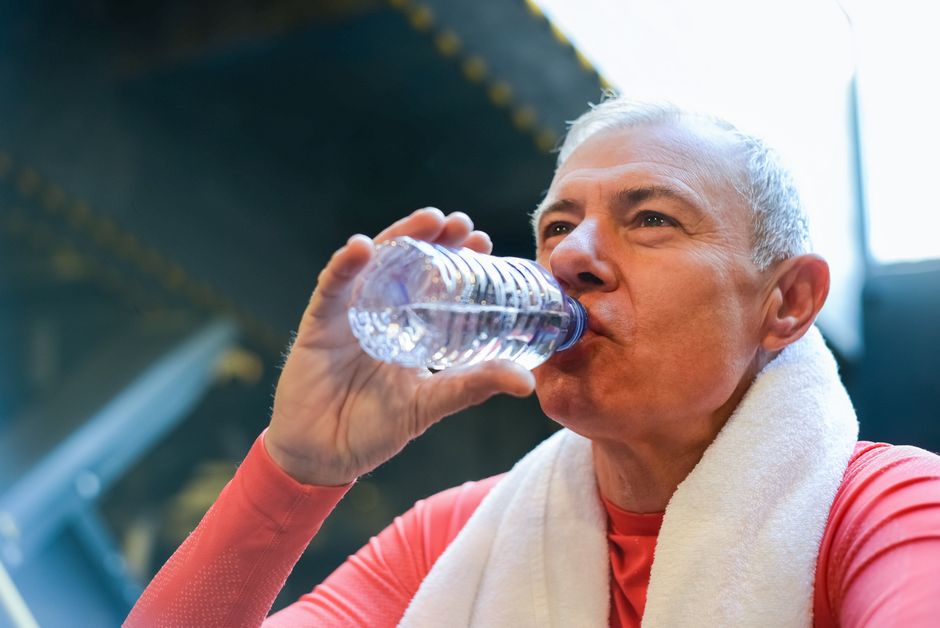
Feeling like you need a glass of water with every bite is very common. It is not usually a sign of a serious problem. For most people, it comes down to normal body processes like a dry mouth, the texture of the food, or simple habit. Your body uses saliva to start breaking down food, and drinking water helps with that process. But if the urge feels extreme or happens every single time without fail, it is worth looking at the reasons behind it.
Why Do I Always Drink So Much Water When I Eat?
The most common reason is mechanical. Dry or salty foods absorb moisture from your mouth and throat. Your body responds by signaling thirst so you will add liquid to help the food move down the esophagus. This is a normal reflex, not a problem.
Another reason is habit. Many people grow up drinking something with every meal. The routine becomes automatic. You reach for the glass even when your body does not strictly need the liquid. Both reasons are harmless.
Sometimes the signal is stronger than usual. This can happen with certain foods, like bread, crackers, or cured meats. These foods pull water from your saliva quickly. Your brain reads that as thirst. The result is a strong urge to drink within seconds of swallowing.
Could It Be a Sign of a Medical Condition?
Most of the time, no. But excessive thirst during meals can occasionally point to an underlying issue. The main condition doctors consider is diabetes. High blood sugar makes your kidneys work harder to flush out glucose. That process pulls water from your body, causing thirst.
If you are drinking a lot during meals and also noticing other symptoms, talk to a doctor. These symptoms include frequent urination, especially at night, unexplained weight loss, blurry vision, or fatigue. Thirst alone is rarely the only symptom of diabetes. It usually comes with other signs.
Another possibility is dry mouth, a condition called xerostomia. This happens when your salivary glands do not produce enough saliva. You feel the need to drink constantly to wet your mouth and help food go down. Dry mouth can be caused by medications, aging, or certain medical treatments.
Medications are a common culprit. Many prescription drugs list dry mouth as a side effect. Antihistamines, blood pressure medications, antidepressants, and muscle relaxants are frequent causes. If you started a new medication and noticed the thirst at the same time, that connection is worth mentioning to your doctor.
What Happens in Your Body When You Drink With Meals?
Water mixes with food in your stomach. It does not wash food away or flush it through faster. The stomach holds everything together and releases it slowly into the small intestine.
There is a common worry that drinking with meals dilutes stomach acid. The evidence does not support this as a real problem. Your stomach produces acid on demand. A glass of water temporarily raises the pH, but your stomach quickly adjusts and returns to the right acidity for digestion.
Water actually helps digestion in a few ways. It softens food, making it easier for your stomach to churn. It helps dissolve nutrients so they can be absorbed. It also keeps things moving through your digestive tract.
The bigger issue is portion size. If you drink a large amount of water with a meal, you may feel full sooner. This can be helpful if you are trying to eat less. It can be a problem if you are already struggling to eat enough calories.




Is Drinking Water With Meals Bad for Digestion?
No. For healthy people, drinking water with meals does not harm digestion. Some older beliefs suggested that water “dilutes enzymes” or slows digestion. Research does not confirm this. Your digestive system is designed to handle a wide range of food and liquid combinations.
One thing to watch is how much you drink. Very large amounts of water, like a liter or more at once, can cause discomfort. You might feel bloated or overly full. But a normal glass or two with a meal is completely fine.
The temperature of the water does not matter much. Cold water may cause a brief stomach contraction, but this is not harmful. Some people find warm water more comfortable with meals. That is a personal preference, not a medical requirement.
If you have a specific digestive condition like gastroparesis, where the stomach empties slowly, your doctor may give you different advice. In that case, follow their guidance. For everyone else, drinking water with food is not a problem.
When Should You Be Concerned About Thirst During Meals?
Consider seeing a doctor if your thirst during meals feels extreme or uncontrollable. Signs that warrant a checkup include drinking several large glasses at every meal and still feeling thirsty, waking up at night needing water, or having a dry mouth that does not improve no matter how much you drink.
Also pay attention to how much you drink outside of meals. If you are constantly thirsty all day, not just at mealtimes, that is a different pattern. It deserves a medical evaluation.
Anemia, thyroid conditions, and kidney issues can also cause increased thirst in some cases. These are less common than diabetes or dry mouth, but they exist. A simple blood test can help identify or rule out these conditions.
Do not try to diagnose yourself based on thirst alone. The symptom is too general. It overlaps with many normal and abnormal states. Let a doctor run the appropriate tests if you are concerned.
Simple Ways to Manage the Urge to Drink During Meals
If the urge bothers you, try changing how you eat before changing how you drink. Chewing food thoroughly gives your saliva more time to work. This reduces the dry-mouth trigger that makes you reach for water.
Consider the food itself. Very salty or highly processed foods increase thirst. Cutting back on these may reduce your need to drink during meals. The same goes for very dry foods like plain crackers or toast.
Take small sips instead of large gulps. A sip is enough to moisten your mouth and help food go down. You do not need a full glass with every bite. This approach keeps you hydrated without making you feel overly full.
If you suspect a medication is causing dry mouth, do not stop taking it on your own. Talk to your doctor. They may adjust the dose or suggest a different option. There are also saliva substitutes and mouth rinses designed for dry mouth that can help.
Is There a Difference Between Thirst and Habit?
Yes, and telling them apart is useful. True thirst is a physical signal. Your mouth feels dry, your throat feels scratchy, and water sounds appealing. Habit is automatic. You drink because the glass is there, not because your body is asking for it.
One way to tell the difference is to skip the water for one meal. If you feel no discomfort and eat normally, the urge was likely habit. If you feel genuinely thirsty and cannot finish your meal comfortably, your body is signaling a real need.
Another test is to drink a small sip and see if the urge goes away. With true thirst, a sip satisfies it. With habit, you may keep reaching for the glass even after drinking. This distinction can help you understand your own pattern.
Neither pattern is dangerous. But knowing which one you have helps you decide whether to change anything. Habit is easy to adjust. True thirst may need a medical explanation if it is constant.
What About Drinking Water Before or After Meals?
Drinking water before a meal can help with portion control. Some people find they eat less when they have a glass of water 30 minutes before eating. This is a common strategy for weight management, though results vary from person to person.
Drinking after a meal is fine too. Your stomach handles liquids and solids together without issue. The timing is mostly about comfort. Some people prefer not to drink immediately after eating because it makes them feel bloated.
The key point is that your total water intake matters more than timing. Most healthy adults need somewhere around 11 to 15 cups of total fluid per day, including water from food. That number varies with activity level, climate, and body size. Your thirst is usually a reliable guide.
Frequently Asked Questions
Why do I need water with every bite of food?
Dry or salty foods absorb saliva quickly, triggering a thirst response. It is a normal reflex that helps you swallow and digest food comfortably.
Can drinking water with meals cause weight gain?
No, water has zero calories and does not cause weight gain. It may actually help you feel full and eat less, though the effect varies by person.
Is excessive thirst during meals a sign of diabetes?
It can be, but thirst alone is rarely the only symptom. If you also have frequent urination, fatigue, or blurry vision, see a doctor for a blood sugar test.
Should I stop drinking water with meals to improve digestion?
No, water does not harm digestion in healthy people. It helps soften food and move it through your system. Only people with specific digestive conditions may need different advice from their doctor.
