
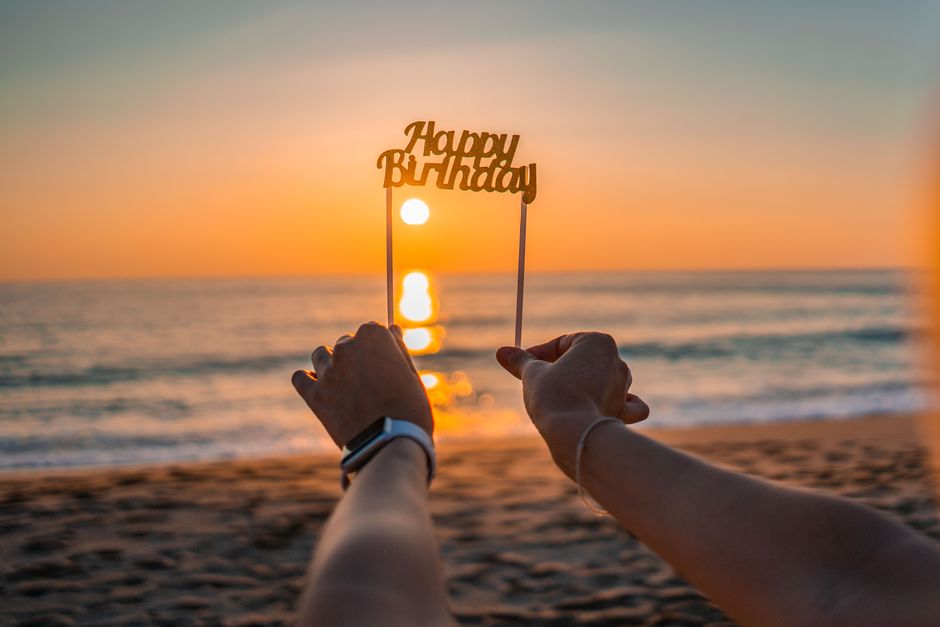
Birthday tears are common, and they usually have nothing to do with being ungrateful or dramatic. Crying on your birthday is often a release of built-up emotion triggered by reflection, unmet expectations, or the pressure to feel happy. For many people, the birthday is a rare moment where they pause, look at their life, and feel everything at once.
Why Do I Always Cry On My Birthday Real Reasons?
Most birthday crying comes down to a mix of emotional reflection and social pressure. Birthdays force a yearly checkpoint that most days do not. You compare where you are to where you thought you would be. That comparison can bring grief, joy, gratitude, or sadness — often all in the same hour.
Another major reason is the gap between expectation and reality. We are taught that birthdays should feel joyful and special. When the day feels ordinary, lonely, or stressful, the disappointment hits harder than it would on a normal Tuesday. The emotional letdown can surface as tears.
The Psychology Behind Birthday Sadness
Psychologists call this the “birthday blues” or “birthday depression.” It is not a formal diagnosis, but the pattern is well recognized. The brain treats significant milestones as moments for self-evaluation. You review your relationships, career, health, and personal goals all at once.
This review process can trigger what researchers call social comparison. You measure yourself against peers, against past versions of yourself, and against cultural expectations about what a certain age should look like. When reality does not match those benchmarks, sadness follows.
There is also a neurological component. Emotional memories are stored with strong sensory detail. Birthdays often connect to childhood memories, family dynamics, and past losses. The brain does not separate the present birthday from every birthday that came before it. Old grief can resurface on the anniversary of those memories.
How Unmet Expectations Trigger Tears
Expectations around birthdays are often invisible until they are not met. You may not realize you expected a surprise party, a specific gift, or a heartfelt message from someone important. When those things do not happen, the disappointment is real — even if the expectation was never spoken aloud.
Social media intensifies this. Seeing other people’s curated birthday posts — the cake, the friends, the perfect caption — creates a comparison standard that real life rarely matches. Studies on social media use consistently link passive scrolling to lower mood, and birthday content is a concentrated version of that effect.
The pressure to feel grateful can also backfire. Telling yourself “I should be happy” while feeling sad creates emotional conflict. The guilt over not feeling grateful enough adds a second layer of distress on top of the original sadness.





Is Crying On Your Birthday a Sign of Depression?
Occasional birthday tears are normal and not a sign of mental illness. However, if the sadness lasts for weeks, interferes with daily function, or comes with other symptoms like sleep changes, appetite loss, or loss of interest in activities, it may be worth discussing with a doctor.
Key signs that birthday sadness is part of a larger pattern:
- Tears that continue for days after the birthday passes
- Difficulty getting out of bed or completing basic tasks
- Thoughts of hopelessness or worthlessness that persist
- Withdrawal from people who usually bring comfort
If you notice these patterns, the birthday is not the problem. It is just the trigger. A mental health professional can help you identify whether this is situational stress or something that needs ongoing support.
Why Some People Cry With Joy On Their Birthday
Not all birthday tears are sad. Some people cry because they feel overwhelmed by love. When friends show up, when family members call, or when someone remembers a small detail from years ago, the emotional weight of being seen can be intense.
This is called tears of positive emotion. Research suggests these tears help regulate intense feelings — both good and bad. Crying releases oxytocin and endorphins, which can actually make you feel calmer after the cry. The body uses tears as a way to process emotional overload, regardless of whether the emotion is joy or grief.
For many people, the birthday is one of the few days where they feel genuinely visible to others. That visibility can feel vulnerable. Crying is a natural response to vulnerability, even when the vulnerability comes wrapped in love.
How To Handle Birthday Crying In the Moment
If you feel tears coming on your birthday, you do not have to fight them. Suppressing strong emotion often makes it worse later. Here are practical ways to move through the moment:
- Excuse yourself for a few minutes of quiet time
- Take slow, deep breaths — this signals safety to your nervous system
- Name the emotion out loud or in your head: “I am sad,” “I am overwhelmed”
- Remind yourself that crying is a normal human response
- If you are with others, a simple “I’m just feeling emotional today” is enough
If you are worried about crying in front of others, consider planning a low-key birthday. A small dinner with one or two close people creates less pressure than a large gathering. You can also choose to celebrate on a different day entirely. The date itself has no special power — the meaning you assign to it does.
Ways To Make Your Birthday Feel More Manageable
You can change how you approach your birthday even if you cannot change the feelings that come with it. Start by lowering the stakes. Tell yourself the day does not have to be perfect. Plan one small thing you genuinely enjoy — a walk, a favorite meal, an afternoon without obligations.
Consider setting an intention for the day instead of an expectation. An intention might be “I want to feel peaceful” rather than “I want everyone to remember my birthday.” Intentions focus on what you can control. Expectations focus on what others do, which you cannot control.
Some people find it helpful to write down what they are grateful for before the birthday arrives. This does not erase sadness, but it can balance the emotional picture. Gratitude and sadness can coexist. You do not have to choose one.
If birthdays consistently bring more pain than joy, you can also choose to stop celebrating them. This is a valid decision. Many adults quietly stop marking their birthday and report feeling relief. You are not obligated to participate in a tradition that does not serve you.
When To Talk To Someone About Birthday Sadness
Talk to a counselor or doctor if birthday sadness is part of a broader struggle. If the crying is the only symptom and it passes within a day or two, it is likely a normal emotional response. If it is one more event in a long pattern of low mood, anxiety, or hopelessness, professional support can help.
Therapy is not only for crisis. Many people use counseling to understand patterns like this — why certain dates trigger strong emotions, what past experiences are connected to them, and how to respond differently. A therapist can help you separate the birthday trigger from the underlying feelings that it brings up.
Frequently Asked Questions
Is it normal to cry on your birthday every year?
Yes, it is normal for many people. Annual birthday tears often reflect emotional processing or unmet expectations, not a mental health problem.
Why do I cry when people sing happy birthday to me?
Being the center of attention can feel overwhelming, and the combination of being seen and feeling vulnerable often triggers tears. Some people also connect the song to childhood memories that carry emotional weight.
How do I stop crying on my birthday?
Lower the pressure by planning a low-key day and setting realistic expectations. If tears come anyway, let them pass — fighting them usually makes the emotion stronger.
Can birthday sadness be a sign of depression?
Occasional birthday sadness is not a sign of depression. If low mood lasts for weeks, affects daily life, or comes with other symptoms like sleep changes or hopelessness, speak with a doctor.
