
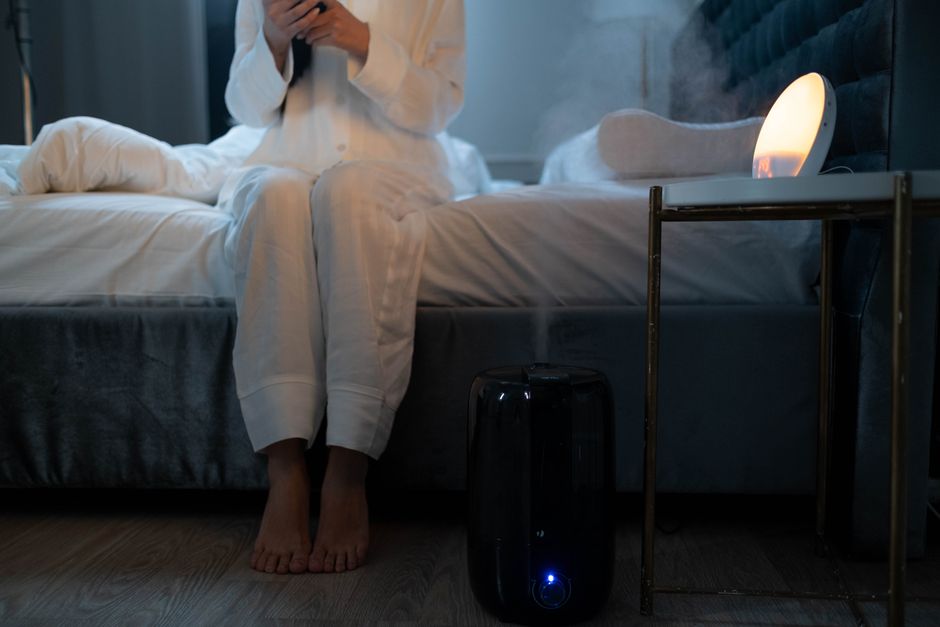
Waking up to use the bathroom is one of the most common sleep disruptions for adults. If you find yourself getting up two or more times a night to urinate, the medical term is nocturia. It is not a disease itself but usually a symptom of an underlying issue. The reasons range from how much fluid you drink before bed to more serious conditions like an enlarged prostate or sleep apnea.
What Counts as Peeing Too Much at Night?
Most healthy adults can sleep six to eight hours without needing to urinate. Waking once to pee is generally considered normal, especially as you age. Waking up two or more times per night on a regular basis is the standard threshold for nocturia.
The condition becomes a problem when it affects your sleep quality. Broken sleep leads to daytime fatigue, irritability, and reduced focus. Over time, chronic sleep loss from nocturia can impact your overall health and increase the risk of falls if you are getting up in the dark.
Nocturia is incredibly common. It affects millions of adults, and the likelihood increases with age. However, it is not an inevitable part of getting older. Many causes are treatable, and understanding why it happens is the first step toward fixing it.
Why Do You Pee So Much At Night? Common Causes
There are two main reasons your body produces more urine at night, or why your bladder cannot hold what it produces. The first is nocturnal polyuria, meaning your body makes too much urine overnight. The second is reduced bladder capacity, meaning your bladder cannot store urine effectively.
Several specific conditions drive these two problems. Some are lifestyle-related, while others require medical attention.
- Drinking too much fluid before bed: This includes water, but especially caffeinated drinks and alcohol.
- Medications: Diuretics, often called water pills, are a common culprit. Taking them too late in the day increases nighttime urine production.
- Urinary tract infection (UTI): An infection irritates the bladder lining, making it feel full even when it is not.
- Diabetes: Both type 1 and type 2 diabetes cause high blood sugar. The kidneys work to flush out excess sugar, pulling water with it and increasing urine output.
- Enlarged prostate: In men, the prostate gland grows with age and can press against the urethra. This blocks the flow of urine and prevents the bladder from emptying completely.
- Pelvic floor weakness: In women, weakened pelvic muscles can allow the bladder to sag, which affects its ability to hold urine.
- Sleep apnea: Obstructive sleep apnea causes pauses in breathing during sleep. This triggers a hormone response that signals the kidneys to produce more urine.
The Link Between Sleep Apnea and Nighttime Urination
Many people are surprised to learn that sleep apnea is a major cause of nocturia. When you stop breathing during sleep, your body experiences stress. This stress signals the heart to release a hormone called atrial natriuretic peptide.
This hormone tells your kidneys to excrete more salt and water. The result is a sudden need to urinate, often two or three times a night. If you snore heavily, wake up gasping, or feel exhausted during the day, sleep apnea may be driving your nighttime bathroom trips.
Treating sleep apnea with a CPAP machine often reduces nocturia significantly. Some studies show that consistent CPAP use can cut nighttime urination episodes in half. If you have unexplained nocturia combined with loud snoring, discuss a sleep study with your doctor.





How Fluid Intake and Diet Affect Nighttime Urination
What you drink matters as much as how much you drink. Caffeine is a diuretic. It stimulates the bladder and increases urine production. Drinking coffee, tea, or soda in the late afternoon or evening can directly cause nighttime bathroom trips.
Alcohol has a similar effect. It suppresses an antidiuretic hormone called vasopressin. Normally, this hormone tells your kidneys to concentrate urine and reduce output at night. Alcohol blocks this signal, causing your body to produce more urine than usual.
Timing your fluids is often the simplest fix. Try to stop drinking fluids two to three hours before bedtime. If you are thirsty at night, take small sips of water rather than drinking a full glass. Also, be mindful of foods with high water content, like watermelon or soup, eaten late in the evening.
Medical Conditions That Increase Nighttime Urination
Several chronic conditions directly affect urine production or bladder function. Managing these conditions is essential for reducing nocturia symptoms.
Diabetes is a leading cause. When blood sugar levels run high, the kidneys cannot reabsorb all the glucose. The excess sugar is excreted in the urine, pulling water along with it. This leads to high urine volumes throughout the day and night. If you are also experiencing increased thirst and unexplained weight loss, ask your doctor to check your blood sugar.
Overactive bladder is another common cause. In this condition, the bladder muscles contract involuntarily, even when the bladder is not full. This creates a sudden, strong urge to urinate. While it can happen during the day, it often disrupts sleep at night.
Chronic kidney disease can also impair the kidneys’ ability to concentrate urine. This means they produce dilute urine in large amounts, including while you sleep. If you have high blood pressure, diabetes, or a family history of kidney problems, this is worth discussing with your doctor.
Why Men and Women Experience Nocturia Differently
Men and women often have different root causes for nocturia. Understanding your specific risk factors helps narrow down the cause.
In men, benign prostatic hyperplasia (BPH) is the most common cause. The prostate gland surrounds the urethra. As it enlarges with age, it squeezes the urethra and blocks urine flow. The bladder then has to work harder to push urine out. Over time, this weakens the bladder muscle and leaves residual urine behind. That leftover urine reduces the space available for new urine, causing frequent trips to the bathroom.
In women, pelvic organ prolapse and menopause are significant factors. Pelvic organ prolapse occurs when the bladder drops from its normal position due to weakened pelvic floor muscles. Menopause reduces estrogen levels, which can thin the tissues of the urethra and bladder, making them more sensitive and less elastic.
Both sexes can experience nocturia from urinary tract infections, diabetes, and sleep apnea. The treatment approach, however, differs based on the underlying cause.
When to See a Doctor About Nighttime Urination
Occasional nighttime urination is not a medical emergency. But persistent nocturia deserves a medical evaluation. If you are waking up two or more times a night for weeks, it is time to make an appointment.
Seek prompt medical attention if you notice any of the following warning signs:
- Blood in your urine
- Pain or burning during urination
- Sudden, intense urgency that comes on quickly
- Fever or back pain alongside frequent urination
- Difficulty starting urination or a weak urine stream
These symptoms can indicate an infection, kidney stones, or prostate issues that require treatment. Do not ignore them.
Your doctor may order a urine test, blood work to check kidney function and blood sugar, or imaging studies. You may also be asked to keep a bladder diary. This involves recording how much you drink, how often you urinate, and how much urine you pass. This information is invaluable for identifying patterns and pinpointing the cause.
Simple Lifestyle Changes That Can Reduce Nighttime Peeing
Before considering medication, many people benefit from adjusting their habits. These changes are low-risk and often effective.
First, reduce evening fluid intake. Stop drinking large amounts of fluids two to three hours before bed. This gives your body time to process the fluid before you sleep.
Second, avoid caffeine and alcohol in the afternoon and evening. Both are bladder irritants and diuretics. Switching to water or herbal tea in the afternoon can make a noticeable difference.
Third, elevate your legs for a few hours before bed. Fluid can pool in your legs during the day. When you lie down, that fluid moves back into your bloodstream and is filtered by the kidneys. Elevating your legs before bed helps your body process this fluid earlier, so you do not wake up needing to urinate.
Fourth, empty your bladder twice before sleeping. Go to the bathroom as part of your bedtime routine, then go again right before you actually get into bed. This ensures your bladder starts the night as empty as possible.
Medical Treatments for Persistent Nocturia
When lifestyle changes are not enough, medical treatments are available. The right treatment depends entirely on the underlying cause.
For an enlarged prostate, doctors often prescribe alpha-blockers. These medications relax the muscles in the prostate and bladder neck, improving urine flow. Some men also benefit from 5-alpha reductase inhibitors, which shrink the prostate over time.
For overactive bladder, anticholinergic medications can calm bladder muscle spasms. A newer class of drugs called beta-3 agonists works similarly with fewer side effects.
For nocturnal polyuria, a synthetic form of vasopressin called desmopressin can be prescribed. This drug reduces urine production at night. It is effective but requires careful monitoring of sodium levels, so it is not suitable for everyone.
For diabetes or sleep apnea, treating the primary condition is the priority. Better blood sugar control or consistent CPAP use often resolves nocturia without any specific bladder treatment.
Frequently Asked Questions
Is it normal to pee every 2 hours at night?
No, waking up every two hours to urinate is not normal for most adults. It meets the clinical definition of nocturia and warrants a discussion with your doctor.
What is the most common cause of frequent urination at night?
Excess fluid intake before bed and an enlarged prostate in men are the two most common causes. Diabetes and sleep apnea are also frequent contributors.
Can drinking less water during the day stop nighttime urination?
No, restricting fluids during the day can backfire and lead to dehydration and concentrated urine, which irritates the bladder. It is better to maintain normal daytime hydration and reduce fluids only in the two to three hours before bed.
Does high blood pressure cause frequent urination at night?
High blood pressure itself does not directly cause nocturia, but some blood pressure medications, especially diuretics, do. If you take a water pill in the evening, ask your doctor about taking it in the morning instead.
