
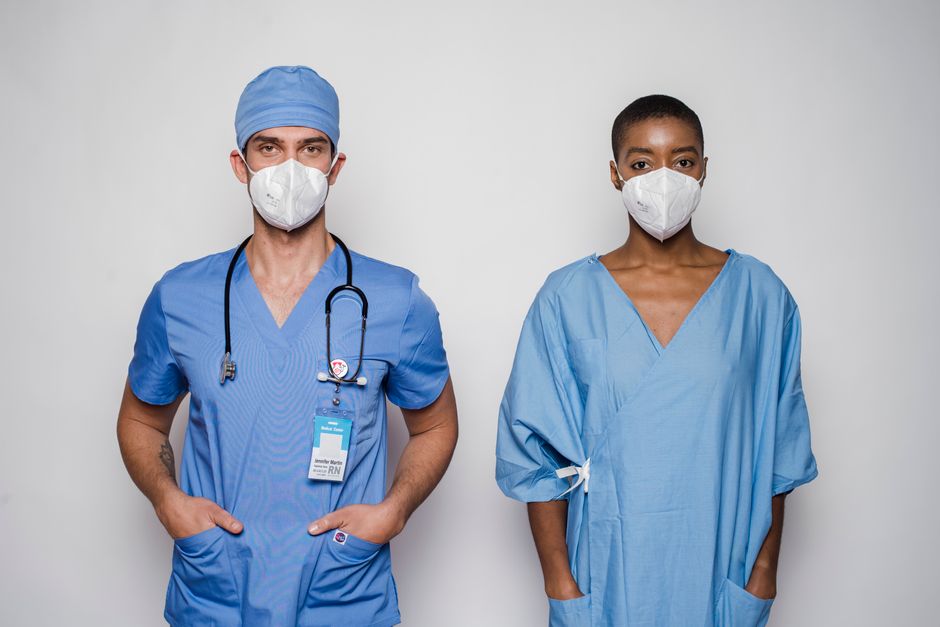
Healthcare workers wear scrubs for practical reasons that go far beyond fashion. Scrubs are designed to be durable, easy to clean, and functional for long shifts. They also serve a critical safety purpose by reducing the spread of germs between patients and staff. While the modern uniform seems simple, its design is rooted in infection control, comfort, and the demands of a fast-paced medical environment.
Why Do Healthcare Workers Wear Scrubs?
Scrubs are the standard uniform in hospitals and clinics because they are the most practical clothing for the job. The fabric is tough enough to withstand daily wear and tear, yet lightweight enough to keep workers comfortable during 12-hour shifts. Most scrubs are made from a cotton-polyester blend that resists wrinkles, stains, and shrinkage. This makes them ideal for repeated washing at high temperatures, which is essential for killing bacteria.
The design also prioritizes function. Deep pockets hold stethoscopes, pens, scissors, and small medical tools. The loose fit allows for a full range of motion when bending, lifting, or performing procedures. Unlike street clothes, scrubs have no buttons or zippers that could snag on equipment or catch on a patient’s bedrail. These features make scrubs a safer choice for both the worker and the patient.
How Do Scrubs Help Prevent Infection?
Infection control is the primary reason scrubs became standard in the 20th century. Before scrubs, surgeons operated in their regular clothes or cloth gowns, which were not always clean. Studies showed that surgical site infections dropped dramatically when sterile gowns and drapes were introduced. Scrubs extend this principle to the entire hospital setting.
Hospital-laundered scrubs are washed at temperatures high enough to kill most pathogens. Many facilities use industrial washing machines with disinfectant cycles that home washers cannot match. This is why many hospitals require staff to change into hospital-provided scrubs at the start of their shift and leave them at the facility for cleaning. Wearing scrubs home would risk bringing hospital germs into the community, and wearing street clothes into the hospital would risk bringing outside germs to vulnerable patients.
It is important to note that scrubs are not a complete barrier against infection. They are one layer of protection in a system that also includes gloves, gowns, masks, and hand hygiene. The fabric can become contaminated, which is why scrubs are changed daily and immediately after exposure to blood or bodily fluids.
What Materials Are Scrubs Made From?
Most scrubs are made from a blend of polyester and cotton. Polyester provides durability and resists shrinking, while cotton adds breathability and comfort. Some higher-end scrubs include spandex for stretch, which improves mobility and fit. The exact blend varies by brand, but the goal is always the same: a fabric that is strong, comfortable, and easy to sanitize.
Newer fabrics are designed with additional features. Some are treated with antimicrobial finishes that inhibit bacterial growth on the fabric surface. Others are moisture-wicking, which pulls sweat away from the skin to keep the wearer dry during physically demanding shifts. While these features are useful, they do not replace the need for proper laundering. No fabric treatment eliminates the need for regular washing at high temperatures.





Do Scrubs Provide Physical Protection?
Scrubs offer limited physical protection, and that is by design. They are meant to be a lightweight barrier, not armor. The fabric can block small splashes of blood or other fluids, but it will not stop a needle stick or a sharp instrument. That level of protection requires additional equipment like gloves, face shields, and reinforced gowns.
However, the loose fit of scrubs does offer some safety benefits. Tight clothing can restrict movement or cause overheating during long procedures. Loose scrubs allow air to circulate, which helps regulate body temperature. They also reduce the risk of catching fabric on equipment, which can happen with long sleeves or dangling accessories. For these reasons, scrubs are considered the safest baseline uniform for most clinical roles.
Why Are Scrubs Usually Blue or Green?
The classic blue or green color of scrubs is not a coincidence. In the early 20th century, surgeons switched from white gowns to green or blue to reduce eye strain. Staring at red tissue for long periods can cause visual fatigue. Green and blue are opposite red on the color wheel, so looking at them helps reset the eyes’ sensitivity to red. This small design choice improves focus during long operations.
Color also serves a practical purpose in infection control. Darker colors hide stains better than white, which reduces the need for frequent changes. Some hospitals use color-coded scrubs to identify roles at a glance. For example, nurses may wear one color, surgeons another, and technicians a third. This system helps patients and staff quickly identify who is doing what, which improves communication and efficiency.
Are Scrubs Required Outside the Hospital?
Many healthcare workers wear scrubs outside of work, but this is not recommended from an infection control standpoint. Studies have found that scrubs can carry bacteria, including antibiotic-resistant strains, after a shift. Taking those contaminants home risks spreading them to family members and the community. For this reason, many hospitals now require staff to change into clean clothes before leaving the facility.
If a worker does wear scrubs home, the clothing should be washed separately from other laundry. Using hot water and a disinfectant detergent is the best approach, though home washers do not reach the temperatures used by industrial hospital laundries. The safest practice is to treat scrubs as clinical equipment: keep them at work, wash them at work, and do not bring them into the home environment.
Do Different Roles Wear Different Scrubs?
Yes, but the differences are mostly about color and fit rather than protective capability. Surgeons and operating room staff typically wear sterile gowns over their scrubs during procedures. These gowns are single-use and provide a higher level of barrier protection than scrubs alone. Outside the operating room, nurses, doctors, and technicians wear standard scrubs that offer the same basic level of protection.
Some roles require additional layers. Workers in isolation units may wear disposable gowns over their scrubs when caring for patients with highly contagious infections. Radiology technicians may wear lead aprons over their scrubs for radiation protection. In every case, the scrub is the base layer, and additional protection is added based on the specific task.
Frequently Asked Questions
Can healthcare workers wear their own scrubs?
Yes, many facilities allow staff to purchase and wear their own scrubs, provided they meet color and style guidelines. However, hospital-provided scrubs are often preferred because they are laundered in industrial machines that reach higher temperatures than home washers.
How often should scrubs be washed?
Scrubs should be washed after every shift or immediately after visible contamination with blood or bodily fluids. Wearing the same scrubs for multiple shifts increases the risk of spreading bacteria between patients.
Do scrubs actually prevent the spread of germs?
Scrubs reduce the spread of germs compared to street clothes because they are washed more frequently and at higher temperatures. They are not a complete barrier, and hand hygiene and other protective equipment remain essential.
