

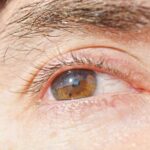
Children with ADHD often have larger pupils than children without the condition. This is not an optical illusion or a trick of the camera. It is a measurable difference linked to how the brain and nervous system process attention and stimulation. Pupil size is controlled by the autonomic nervous system, and in ADHD, that system responds differently to tasks and environmental demands.
What Causes Pupils to Dilate in Children With ADHD?
Pupil size is not just a response to light. The pupils widen when the brain is engaged, alert, or working hard at a task. This is called the task-evoked pupillary response. In children with ADHD, this response is often exaggerated compared to children without ADHD.
The pupil is controlled by two muscle groups. One constricts the pupil in bright light. The other dilates it in dim light and also during mental effort. The dilation is driven by the sympathetic nervous system — the part of the nervous system that prepares the body for action. In ADHD, this system tends to be more reactive. When a child with ADHD focuses on something difficult, the brain sends a stronger signal to dilate the pupil.
Research has measured this difference in controlled settings. Studies using eye-tracking technology have found that children with ADHD show larger pupil dilation during cognitive tasks than their peers. This is not a sign of eye disease or a physical problem with the eye itself. It is a sign of how the brain is working.
Is Pupil Size a Reliable Test for ADHD?
No. Pupil size alone cannot diagnose ADHD. It is a research finding, not a clinical tool. Doctors do not measure pupil dilation to decide whether a child has ADHD. The diagnosis is still made through behavioral assessments, parent and teacher reports, and clinical interviews.
Some researchers are exploring whether pupil response could become a biomarker — a measurable indicator of the condition. The idea is promising because pupil dilation is an involuntary response. A child cannot easily control it. But the evidence is not strong enough yet to use it in a doctor’s office.
There are several reasons why pupil measurement is not ready for clinical use. Pupil size varies with age, lighting, medication, and even fatigue. A child who is tired may have different pupil responses than one who is well rested. These variables make it hard to establish a clear cutoff that separates ADHD from typical development.
What Does Pupil Dilation Tell Us About ADHD and Attention?
The pupil response gives researchers a window into the brain’s arousal system. Arousal is the level of alertness and readiness in the brain. Children with ADHD often have difficulty regulating arousal. They may be under-aroused during boring tasks and over-aroused during exciting ones.
Pupil dilation reflects this regulation problem. When a child with ADHD is asked to do a task that requires sustained attention, their pupils may dilate more than expected. This suggests the brain is working harder to maintain focus. The extra dilation may represent the effort required to override distractions.
This finding helps explain why children with ADHD can seem inconsistent. On a task that interests them, they may focus intensely. On a task that bores them, they may struggle. The pupil data suggests this is not a choice. It is a difference in how the brain allocates attention resources.
Some research also suggests that pupil size at rest may differ in children with ADHD. Resting pupil size reflects baseline arousal. If a child has a larger resting pupil, it may indicate a higher baseline level of physiological arousal. This could relate to the hyperactivity or impulsivity seen in some children with ADHD.



Can Medications for ADHD Affect Pupil Size?
Yes. Stimulant medications used to treat ADHD, such as methylphenidate and amphetamine-based drugs, can cause pupil dilation. These medications increase the activity of dopamine and norepinephrine in the brain. Norepinephrine also stimulates the sympathetic nervous system, which dilates the pupil.
This is a known and expected side effect. Parents may notice that their child’s pupils look larger after starting medication. The effect is usually harmless and does not damage the eyes. However, it can make the child sensitive to bright light. Sunglasses can help if this is bothersome.
It is important to distinguish between pupil dilation caused by ADHD itself and dilation caused by medication. Both can occur. If a child is taking medication, the pupil response during a task may be even larger than it would be without medication. Researchers who study pupil size in ADHD must account for this when interpreting their data.
Should Parents Be Concerned About Dilated Pupils in a Child With ADHD?
In most cases, no. Pupil dilation in a child with ADHD is a normal physiological response. It reflects brain activity and arousal, not a medical emergency. Parents should not be alarmed if they notice their child’s pupils are large during focused activities or in dim lighting.
However, sudden or extreme pupil dilation can be a sign of a medical problem. Parents should seek medical attention if the pupil dilation is accompanied by other symptoms. These include severe headache, confusion, blurred vision, nausea, or unequal pupil sizes. A head injury, seizure, or exposure to certain substances can cause abnormal pupil responses.
If a child has one pupil that is consistently larger than the other, this is also worth a medical evaluation. This condition, called anisocoria, can be benign but sometimes signals a neurological issue. A doctor can determine whether it is related to ADHD or something else.
How Do Pupils in ADHD Compare to Typical Children?
The difference is subtle but measurable. In research settings, children with ADHD tend to have larger pupil dilation during tasks that require attention. They may also have a different pattern of pupil response over time. For example, their pupils may dilate more quickly or stay dilated longer.
One study found that children with ADHD showed greater pupil dilation when asked to inhibit a response — that is, to stop themselves from doing something. This suggests the brain is working harder to control impulses. The pupil response may reflect the increased cognitive effort needed for self-control.
It is worth noting that not all children with ADHD show this pattern. ADHD is a heterogeneous condition. Some children have primarily inattentive symptoms. Others have hyperactivity and impulsivity. The pupil response may differ across these subtypes, though research is still clarifying these distinctions.
What Does the Future Hold for Pupil Research in ADHD?
Pupil measurement is a non-invasive and relatively inexpensive tool. It does not require blood draws or imaging scans. This makes it attractive for research. Scientists are investigating whether pupil response can help identify ADHD earlier or track the effectiveness of treatment.
There is also interest in using pupil data to understand how different ADHD medications work. If a medication normalizes the pupil response, it may indicate that the drug is effectively regulating arousal. This could help doctors tailor treatment to individual children.
However, these applications are still experimental. No clinical guidelines currently recommend pupil measurement for ADHD diagnosis or management. Parents should be cautious about any product or service that claims to diagnose ADHD using eye tracking or pupil size. These claims go beyond the current evidence.
The most honest summary is this: pupil dilation in children with ADHD is a real and interesting finding. It helps researchers understand the brain mechanisms behind the condition. But it is not a diagnostic test, and it is not a cause for concern in most children. The science is still young, and more research is needed before pupil measurements become part of standard care.
Frequently Asked Questions
Why do children with ADHD have dilated pupils?
Children with ADHD often have larger pupils because their autonomic nervous system responds more strongly to mental effort and stimulation. This is a physiological difference in brain arousal, not a sign of eye problems.
Can pupil dilation help diagnose ADHD?
No, pupil dilation alone cannot diagnose ADHD. It is a research finding that is not yet reliable or precise enough for clinical use.
Do ADHD medications cause dilated pupils?
Yes, stimulant medications commonly used for ADHD can cause pupil dilation as a side effect. This is usually harmless but may increase sensitivity to bright light.
When should I worry about my child’s dilated pupils?
Seek medical attention if pupil dilation comes with severe headache, confusion, blurred vision, nausea, or if one pupil is consistently larger than the other. These symptoms are not typical of ADHD alone.
