
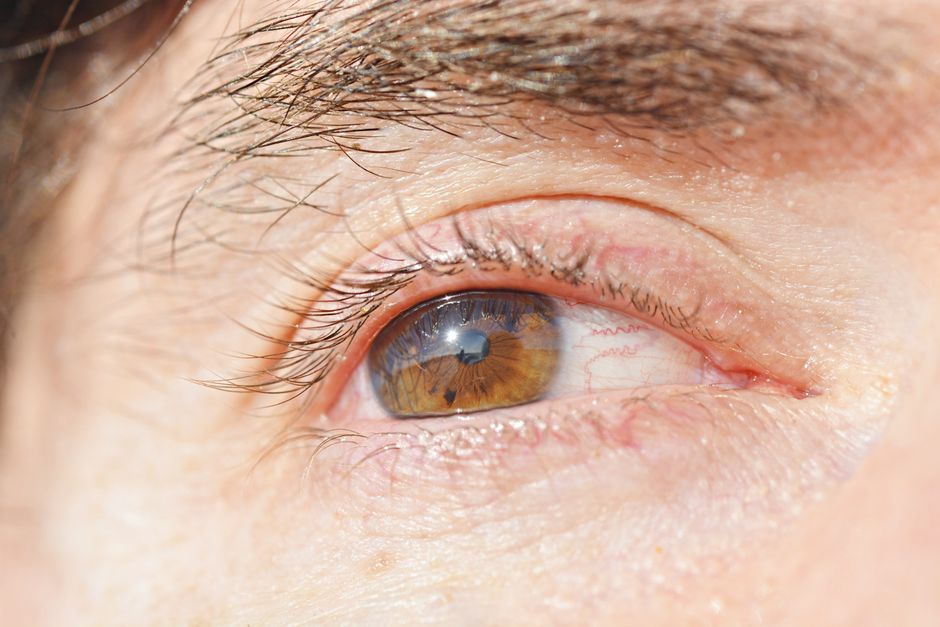
Pinpoint pupils are unusually small pupils that stay constricted even in dim light. The most common causes fall into three groups: opioid or certain other medications, damage to the sympathetic nerve pathway that normally dilates the pupil, and direct injury or inflammation inside the eye itself.
The pupil is not a fixed opening. It constantly adjusts based on two opposing signals from the nervous system. When those signals get disrupted — by a drug, a nerve problem, or eye damage — the pupil can shrink and stay that way.
What Causes Pinpoint Pupils?
Pinpoint pupils happen when the pupil’s constrictor muscle stays active or the dilator muscle stops working. Both muscles are controlled by nerves, and anything that disrupts those nerves can produce small pupils.
The three main categories are:
- Drug-related causes. Opioids such as morphine, oxycodone, and fentanyl are the best-known cause. Other drugs — including some sedatives, certain antipsychotics, and a class of blood pressure medications called clonidine-type drugs — can also constrict the pupil.
- Neurological causes. Damage to the sympathetic nerve chain that runs from the brain down through the neck and chest can cause a small pupil on one side. This is called Horner syndrome.
- Eye-related causes. Inflammation inside the eye, certain eye drops, and some injuries can make the pupil small.
Doctors often use the term “pinpoint” loosely. A pupil that is simply smaller than normal is different from a pupil that is truly pinpoint — meaning extremely small, sometimes described as the size of a pinhead. That distinction matters because it points toward different causes.
How Do Opioids Cause Pinpoint Pupils?
Opioids constrict the pupil by acting on a specific part of the brainstem. This is one of the most reliable physical signs in medicine — opioid-related pupil constriction is well documented and consistently observed.
The pathway works like this. A cluster of neurons in the midbrain called the Edinger-Westphal nucleus sends signals that tell the pupil to narrow. Opioids stimulate receptors on those neurons, increasing their activity. The result is a pupil that stays small even when the lights go down.
This is why emergency clinicians sometimes look at pupil size when they suspect opioid overdose. Along with slowed breathing and reduced consciousness, pinpoint pupils form a recognizable pattern. But this sign alone is not a diagnosis. Other conditions can mimic it, and not every person who takes opioids develops pinpoint pupils.
It is also worth noting that tolerance to opioids does not eliminate this effect. Someone who has taken opioids for years may still show small pupils.
What Is Horner Syndrome and How Does It Cause Pinpoint Pupils?
Horner syndrome is a condition caused by damage to the sympathetic nerve pathway. That pathway starts in the brain, travels down the spinal cord, through the chest, up the neck, and into the eye. When any part of it is interrupted, the pupil on that side becomes small.
The sympathetic nerves are the ones that normally tell the pupil to widen in dim light. When they stop working, the pupil stays constricted because the opposing signal — the one that tells it to narrow — keeps going unopposed.
Horner syndrome usually affects one eye. Along with a small pupil, it often causes a droopy upper eyelid and reduced sweating on the same side of the face. These three signs together are the classic pattern, though not everyone has all three.
Causes of Horner syndrome vary widely. They include:
- Injury to the neck or upper chest
- Problems with the carotid artery, such as a tear in the artery wall
- Tumors pressing on the nerve pathway
- Certain neurological conditions
- In some cases, no clear cause is found
Because the sympathetic pathway is long and passes through many structures, Horner syndrome can be a sign of something serious. When it appears suddenly, especially with neck pain or other symptoms, it needs prompt medical evaluation.





Can Eye Problems Cause Pinpoint Pupils?
Yes. Problems inside the eye itself can cause a pupil to become small. The most common is inflammation of the iris — the colored part of the eye — which can make the pupil stick in a constricted position.
This type of inflammation, called anterior uveitis or iritis, often comes with eye pain, redness, and sensitivity to light. The pupil may be small because the inflamed iris tissue stays tightened, or because it becomes stuck to the lens behind it.
Certain eye drops also cause pupil constriction. Drops used to treat glaucoma, such as pilocarpine, work by narrowing the pupil. This is intentional — it helps fluid drain from the eye — but it can make the pupil look pinpoint.
Injury to the eye, including chemical burns or blunt trauma, can also affect pupil size. In these cases, the small pupil is usually just one part of a larger picture that includes pain, vision changes, or visible damage.
When Should Pinpoint Pupils Be Evaluated by a Doctor?
Pinpoint pupils should always be checked by a doctor if the cause is not already known. The reason is simple: some causes are harmless, but others are medical emergencies.
Seek immediate medical attention if small pupils appear along with any of these:
- Difficulty breathing or very slow breathing
- Extreme drowsiness or trouble staying awake
- Confusion or slurred speech
- Sudden drooping eyelid or facial weakness
- Severe eye pain or sudden vision changes
- Recent head, neck, or eye injury
If you take opioid medication and notice pinpoint pupils along with sedation or slowed breathing, this may indicate too much medication in your system. Call 911 or go to an emergency room. Do not wait to see if it improves.
If the small pupil is only on one side and there is no obvious explanation, that also warrants a prompt medical visit. One-sided pupil changes are more likely to point to a nerve problem than a medication effect, which usually affects both eyes.
How Do Doctors Figure Out the Cause?
Doctors start by asking questions and doing a physical exam. The history often gives the answer — recent medication use, known eye conditions, or a recent injury.
Key questions usually include:
- What medications do you take, including eye drops?
- When did you first notice the small pupil?
- Is it in one eye or both?
- Are there other symptoms like pain, drooping eyelid, or vision changes?
A doctor may also check how the pupil responds to light and to a dim room. A pupil that stays small in the dark points toward a problem with the dilating pathway. A pupil that reacts normally but is just smaller than usual may be a normal variation.
In some cases, imaging tests such as an MRI or CT scan may be ordered to look for problems along the nerve pathway. Blood tests may be used if a medication or toxin is suspected.
It helps to bring a list of all medications and eye drops to the appointment. Include anything you take regularly, even if it seems unrelated.
Are There Normal Reasons for Small Pupils?
Yes. Not every small pupil is a sign of a problem. Some people naturally have smaller pupils than others. This is called physiologic miosis and is not dangerous.
Pupil size also changes with age. Older adults tend to have smaller pupils than younger people, partly because the muscles that control the pupil weaken over time. This is a normal part of aging.
Bright light causes the pupil to narrow — that is expected. The concern is when the pupil stays small in dim light or when the small size appears suddenly and only in one eye.
If you have always had small pupils and have no other symptoms, it is unlikely to be a medical concern. If the change is new or comes with other symptoms, it should be checked.
Frequently Asked Questions
What drugs cause pinpoint pupils?
Opioids are the most common cause, including morphine, oxycodone, and fentanyl. Certain sedatives, some antipsychotics, and clonidine-type blood pressure medications can also cause pupil constriction.
Are pinpoint pupils always a sign of an overdose?
No. Pinpoint pupils can result from many causes, including eye inflammation, certain eye drops, and nerve damage. However, when they appear with slow breathing and extreme drowsiness, emergency help is needed right away.
Can pinpoint pupils be permanent?
It depends on the cause. Drug-related pupil constriction usually reverses when the drug clears the body. Pupil changes from nerve damage or eye conditions may last longer or become permanent, depending on whether the underlying problem can be treated.
What is the difference between pinpoint pupils and normal small pupils?
Normal small pupils still widen in dim light and respond to changes in brightness. Pinpoint pupils stay very small even in the dark, which suggests a problem with the nerve signals that control pupil size.
