
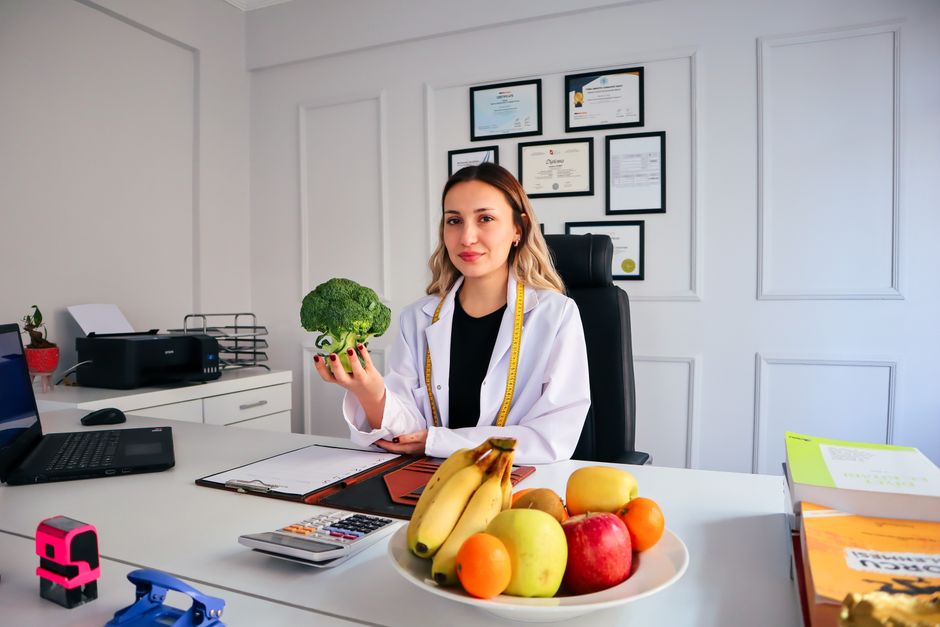
Broccoli is good for health because it contains a unique compound called sulforaphane that activates the body’s natural detoxification pathways. This cruciferous vegetable also delivers high levels of vitamin C, vitamin K, fiber, and several antioxidants in a low-calorie package. Research published in the journal Cancer Prevention Research has shown that regular broccoli consumption may reduce inflammation and protect cells from DNA damage. The specific combination of nutrients in broccoli works together in ways that supplements cannot replicate.
What Makes Broccoli Different From Other Vegetables?
Most vegetables provide vitamins and fiber. Broccoli does that too. But it also contains glucosinolates — sulfur-containing compounds that give cruciferous vegetables their slightly bitter taste. When you chew broccoli, an enzyme called myrosinase converts glucosinolates into active compounds like sulforaphane and indole-3-carbinol.
Sulforaphane is the compound researchers get most excited about. The National Cancer Institute has funded multiple studies on it. Sulforaphane activates Nrf2, a protein that turns on over 200 protective genes in your body. These genes produce antioxidant enzymes that neutralize toxins and repair cellular damage. No other common vegetable triggers this response as effectively as broccoli.
Broccoli also provides a rare nutrient called kaempferol. This flavonoid has been studied for its ability to reduce allergic inflammation and protect blood vessel walls. A 2013 study in the journal Molecules found that kaempferol from broccoli had stronger anti-inflammatory effects than many other dietary flavonoids tested.
Does Broccoli Really Help Prevent Cancer?
This is the most researched claim about broccoli. The evidence is strong enough that the American Institute for Cancer Research lists broccoli as one of the few foods with “convincing” evidence for cancer protection. Their 2018 report analyzed over 500 studies and found that non-starchy vegetables like broccoli were consistently linked to lower rates of several cancers.
The strongest data exists for colorectal cancer. A 2019 analysis in the journal Nutrients looked at 27 studies and found that people who ate broccoli at least once per week had a 15-20% lower risk of colorectal cancer compared to those who rarely ate it. The protective effect was dose-dependent — more broccoli meant lower risk.
For prostate cancer the evidence is moderate but consistent. A 2012 study from the Fred Hutchinson Cancer Research Center followed 1,000 men for four years. Those who ate more than one serving of broccoli per week had significantly lower rates of aggressive prostate cancer. The researchers noted that the effect was strongest in men who carried a particular genetic variant related to detoxification enzymes.
What about breast cancer? The evidence is mixed. Some studies show protection. Others do not. The Women’s Health Initiative, a massive government study involving nearly 90,000 women, found no significant link between broccoli intake and breast cancer risk. This does not mean broccoli is useless for breast health. It means the effect is likely small and may depend on individual genetics or cooking methods.
How Does Broccoli Support Heart Health?
Broccoli improves heart health through several mechanisms that work independently of each other. The fiber in broccoli binds to cholesterol in the digestive tract and helps remove it before it enters the bloodstream. A single cup of cooked broccoli provides about 5 grams of fiber, which is 20% of the daily recommended intake.
The sulforaphane in broccoli also reduces oxidative stress in blood vessel walls. A 2015 study in the journal Diabetes found that sulforaphane lowered blood sugar levels in people with type 2 diabetes by reducing glucose production in the liver. High blood sugar damages blood vessels over time, so controlling it protects heart health indirectly.
Potassium in broccoli helps regulate blood pressure. One cup of cooked broccoli contains about 450 mg of potassium. The American Heart Association recommends potassium-rich foods as part of a blood pressure-lowering diet. The effect is modest but meaningful when combined with other dietary changes.
Vitamin K in broccoli also plays a role. It helps prevent calcium from depositing in artery walls. A 2014 study in the journal Thrombosis and Haemostasis found that people with the highest vitamin K intake had 50% lower risk of aortic calcification compared to those with the lowest intake. Broccoli is one of the richest dietary sources of vitamin K.





What Is the Best Way to Cook Broccoli for Maximum Benefits?
Cooking method dramatically affects how much sulforaphane your body actually gets. Boiling broccoli for more than five minutes destroys most of the myrosinase enzyme needed to convert glucosinolates into active sulforaphane. A 2008 study in the Journal of Agricultural and Food Chemistry found that boiling reduced sulforaphane content by 77% compared to raw broccoli.
Steaming is the best cooking method. Steam broccoli for three to four minutes until bright green but still firm. This preserves the myrosinase enzyme while making the vegetable easier to digest. A 2018 study confirmed that steaming for under five minutes retained over 80% of the sulforaphane-forming potential.
Roasting at high heat also works well. Cut broccoli into uniform pieces and roast at 425°F for 10-12 minutes. The dry heat does not leach out water-soluble nutrients. The browning adds flavor that makes it easier to eat larger amounts.
Microwaving is acceptable but inconsistent. Short microwave times of one to two minutes preserve most nutrients. Longer times destroy them. The key is to add as little water as possible and stop cooking while the broccoli is still bright green.
| Cooking Method | Time | Nutrient Retention | Best For |
|---|---|---|---|
| Steaming | 3-4 minutes | High | Maximum sulforaphane |
| Roasting | 10-12 minutes at 425°F | High | Flavor and texture |
| Microwaving | 1-2 minutes | Moderate | Quick preparation |
| Boiling | 5+ minutes | Low | Only for soup stocks |
Can Eating Broccoli Help With Inflammation?
Chronic inflammation is a root cause of many diseases including arthritis, heart disease, and autoimmune conditions. Broccoli contains several compounds that reduce inflammatory markers in the body. Sulforaphane is the most studied, but kaempferol and quercetin also play roles.
A 2015 randomized controlled trial published in the Journal of Clinical Immunology gave participants broccoli sprout extract for four weeks. Blood tests showed significant reductions in C-reactive protein, a key marker of systemic inflammation. The reduction was comparable to what some anti-inflammatory medications achieve.
For people with osteoarthritis the evidence is promising. A 2018 study from the University of East Anglia found that sulforaphane from broccoli slowed cartilage damage in mice. Human studies are still in early stages. Some people report reduced joint pain after increasing broccoli intake, but this is anecdotal and not yet confirmed by clinical trials.
The anti-inflammatory effects appear to be strongest when broccoli is eaten regularly over weeks or months. A single serving does not produce measurable changes. The body needs consistent exposure to sulforaphane for the Nrf2 pathway to remain activated.
Does Broccoli Help With Digestion and Gut Health?
Broccoli contains both soluble and insoluble fiber. Soluble fiber feeds beneficial gut bacteria. Insoluble fiber adds bulk to stool and helps prevent constipation. A single cup of broccoli provides about 10% of the daily fiber needs for most adults.
The sulforaphane in broccoli also affects gut bacteria directly. A 2017 study in the journal Cancer Prevention Research found that sulforaphane increased the growth of beneficial bacteria like Lactobacillus and Bifidobacterium in mice. These bacteria produce short-chain fatty acids that reduce inflammation in the colon.
Some people experience gas or bloating after eating broccoli. This is normal. The raffinose in broccoli is a complex sugar that human enzymes cannot digest. Gut bacteria ferment it and produce gas as a byproduct. The discomfort usually decreases as the gut microbiome adapts to higher fiber intake.
For people with irritable bowel syndrome, steamed broccoli is better tolerated than raw. The heat breaks down some of the complex sugars that cause gas. Starting with small portions and gradually increasing intake helps the gut adjust without discomfort.
What Are Common Misconceptions About Broccoli?
One common myth is that frozen broccoli is less nutritious than fresh. This is not true. Frozen broccoli is picked at peak ripeness and flash-frozen within hours. The nutrient content is often higher than fresh broccoli that has sat on a shelf for days. A 2017 study in the Journal of Food Composition and Analysis found that frozen broccoli contained more vitamin C than fresh broccoli stored for more than three days.
Another misconception is that raw broccoli is always better. Raw broccoli contains the most myrosinase enzyme, which maximizes sulforaphane production. But raw broccoli is harder to digest. The fiber remains intact and some people cannot absorb all the nutrients. Lightly steamed broccoli provides a better balance of nutrient availability and digestibility.
Some people believe broccoli sprouts are the same as mature broccoli. They are not. Broccoli sprouts contain 20-50 times more glucoraphanin than mature broccoli. A 1997 study from Johns Hopkins University first reported this difference. Sprouts are more potent per gram but harder to eat in large quantities. Mature broccoli provides more fiber and volume.
The idea that broccoli can cure disease is false. No single food cures anything. Broccoli reduces risk factors and supports the body’s natural defenses. It works as part of an overall pattern of healthy eating, not as a standalone treatment.
Frequently Asked Questions
How much broccoli should I eat per day for health benefits?
One to two cups per day is a reasonable target supported by research. This amount provides meaningful levels of sulforaphane, fiber, and vitamins without causing digestive discomfort for most people.
Is it safe to eat broccoli every day?
Yes, daily consumption is safe for most people. The only concern is vitamin K content for those on blood thinners like warfarin, who should maintain consistent intake rather than sudden increases.
Does broccoli lose nutrients when stored in the refrigerator?
Yes, vitamin C decreases by about 10% per day in stored broccoli. For maximum nutrient retention, eat broccoli within three to four days of purchase and store it unwashed in a perforated bag.
Can I get the same benefits from broccoli supplements?
No, supplements do not replicate whole broccoli benefits. The fiber, multiple antioxidants, and synergistic effects of whole broccoli are not present in isolated sulforaphane supplements.
